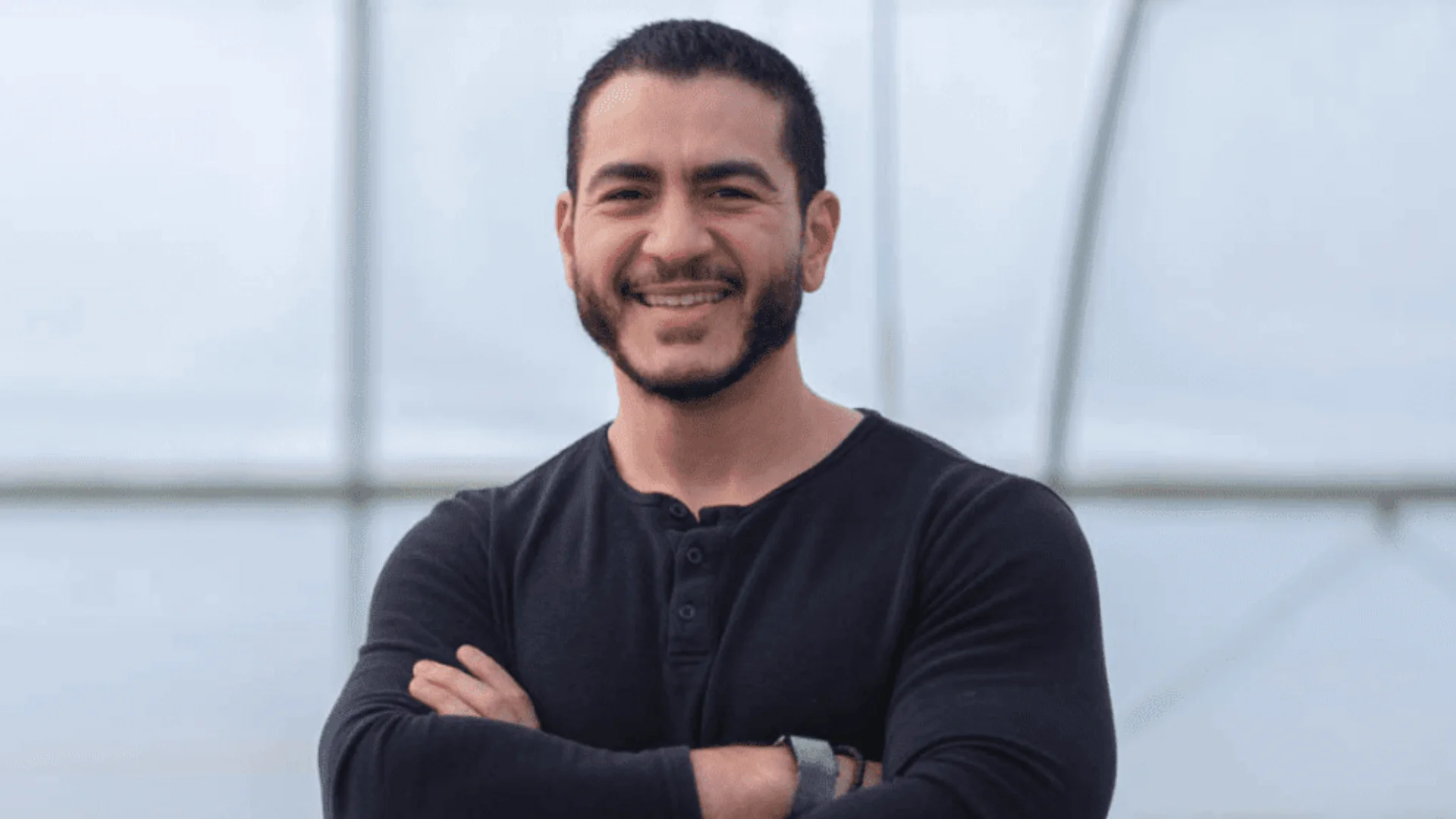

Dr. Abdul El-Sayed, a candidate for U.S. Senate, said Pharmacy Benefit Managers (PBMs) extract profit by leveraging their position between patients, insurers, drug manufacturers, and pharmacies without making or dispensing prescription drugs, and called for the elimination of the industry.
“It’s time to eliminate the Pharmacy Benefit Manager industry,” El-Sayed said on X. “PBMs don’t manufacture prescription drugs. They don’t dispense prescription drugs. They just extract profit from patients.”
He described PBMs as “the ultimate middleman in the healthcare system,” saying “They sit between you, your insurance company, the pharmaceutical company, and the pharmacy that actually gives you the medications that you need.”
El-Sayed made the comments on X while outlining support for eliminating PBMs and expanding federal prescription drug price negotiations, alongside stronger support for local pharmacies. He framed PBMs as intermediaries that add cost to the healthcare system without providing direct medical services.
“And they use that position, in theory, to negotiate what drugs are going to be on the insurance formulary, how much they're going to pay pharmacies and pharmaceutical companies,” he said. “But really, they use their position to figure out how to fleece every single one's pocket. And all that money comes out of yours. When middlemen control your access to pharmaceuticals, they use that control to extract bigger and bigger shares, and you're left paying the price. And that's why we're going to ban the middlemen. Turns out, we don't even need PBMs. Instead, we're going to empower the federal government to negotiate prescription drug prices on all of our behalves. And we're going to empower local pharmacies in the process."
PBMs play a central role in the U.S. prescription drug system, managing benefits for insurers, employers, Medicare Part D plans, Medicaid programs, and other payers. According to the Kaiser Family Foundation (KFF), their responsibilities include negotiating rebates and discounts, processing claims, reimbursing pharmacies, building pharmacy networks, designing formularies, setting cost-sharing rules, and applying utilization management requirements.
The three largest PBMs—OptumRx, Express Scripts, and CVS Caremark—handled 79% of U.S. prescription drug claims in 2023 on behalf of about 270 million people, according to KFF, giving a small number of companies significant influence over drug pricing, formularies, and patient access.
El-Sayed’s campaign has cited federal and academic research it says highlights concerns about pricing practices in the system. A 2025 FTC-related finding cited by his campaign estimated that excess revenue from markups on generic drugs exceeded $7.3 billion between 2017 and 2022.
Separately, research published in JAMA found that Medicare Prescription Drug Plans increasingly shifted from fixed copayments to coinsurance between 2020 and 2024. For apixaban, mean expected out-of-pocket costs in stand-alone Part D plans rose from $46.76 in 2020 to $102.32 in 2024.
Access to pharmacies has also been a concern in debates over PBM practices.
A study from the University of Southern California’s Schaeffer Center found that nearly one in three U.S. retail pharmacies closed between 2010 and 2021, with closures disproportionately affecting independent pharmacies and communities of color and low-income neighborhoods.
A 2024 survey by the National Community Pharmacists Association found that 32% of independent pharmacies were considering closing due to reimbursement pressure, while 93% said they would consider leaving Medicare Part D if conditions did not improve.
El-Sayed’s campaign released the “Ban the Middleman Act” on May 6, 2026, proposing to eliminate the PBM industry and replace it with a public, nonprofit pharmacy benefit administrator. The proposal also includes expanded federal drug-price negotiations, stronger pharmacy protections, and broader patient choice.
Dr. El-Sayed is a physician, epidemiologist, and former Detroit health director who is running for U.S. Senate in Michigan. A Rhodes Scholar, he holds a medical degree from Columbia University and a doctorate in public health from the University of Oxford. His campaign has focused on healthcare affordability and system reform.

