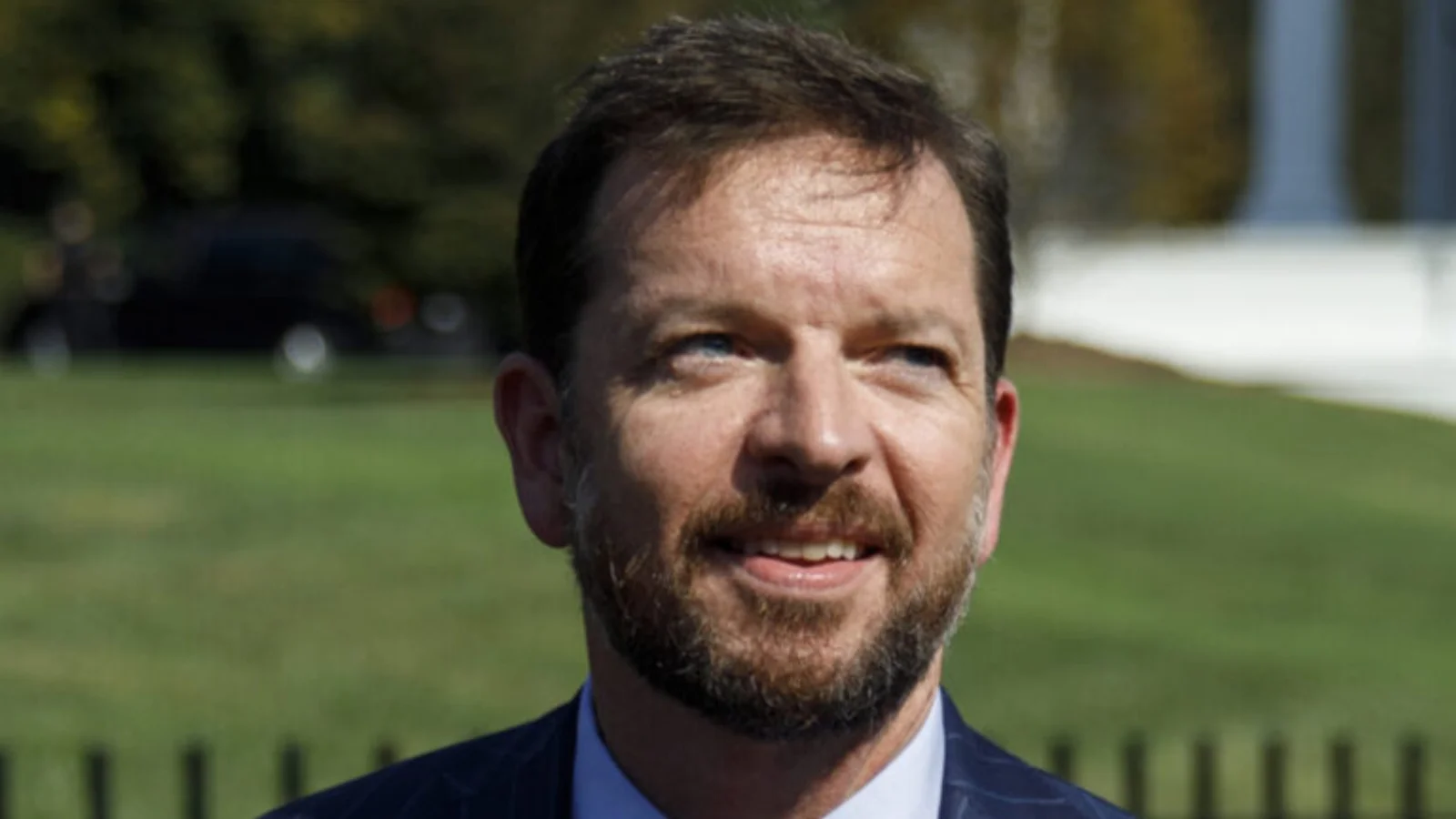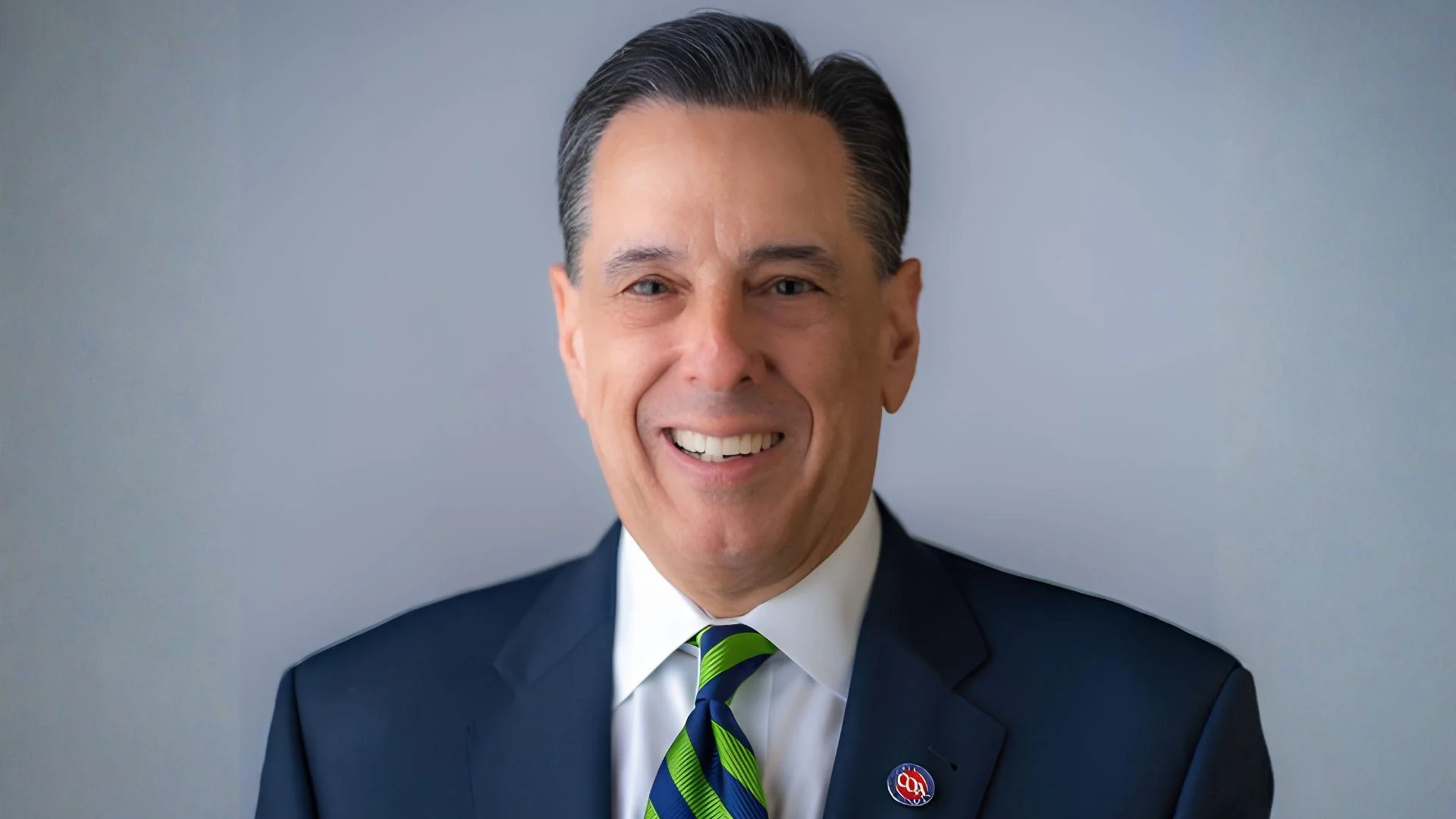

Ted Okon, executive director of the Community Oncology Alliance, said May 8 that a Wall Street Journal editorial accurately describes what he views as misuse of the federal 340B drug discount program by large hospitals.
The Wall Street Journal editorial criticized the program, arguing it has become a revenue stream for hospitals and pharmacies. It cited data showing 340B drug purchases increased from $6.9 billion in 2012 to $81 billion in 2024.
In a post on X, Okon said hospitals and their CEOs benefit financially from the program while patients in need do not fully receive the intended drug discounts.
“A great way to describe this run-away government program. Hospitals and their CEOs rake in the profits while patients in need go without the benefit of the drug discounts,” Okon said in a post on X.
The 340B program was created by Congress in 1992 to help entities serving lower-income and uninsured patients stretch their resources. Drug manufacturers are required to sell outpatient drugs at discounted prices to covered entities, with the discounts going to those entities rather than directly to patients, according to JAMA Health Forum.
At an October 2025 Senate Health, Education, Labor & Pensions Committee hearing, Chairman Bill Cassidy said the program has “ballooned with limited oversight,” and questioned how 340B revenue is used and whether it directly benefits low-income patients, according to the Senate HELP Committee.
The U.S. Government Accountability Office has identified oversight gaps in the program, including limitations in audit closure processes, duplicate-discount enforcement, and eligibility verification for participating hospitals.
The Community Oncology Alliance is a nonprofit 501(c)(6) organization representing community oncologists, and Okon serves as its executive director.