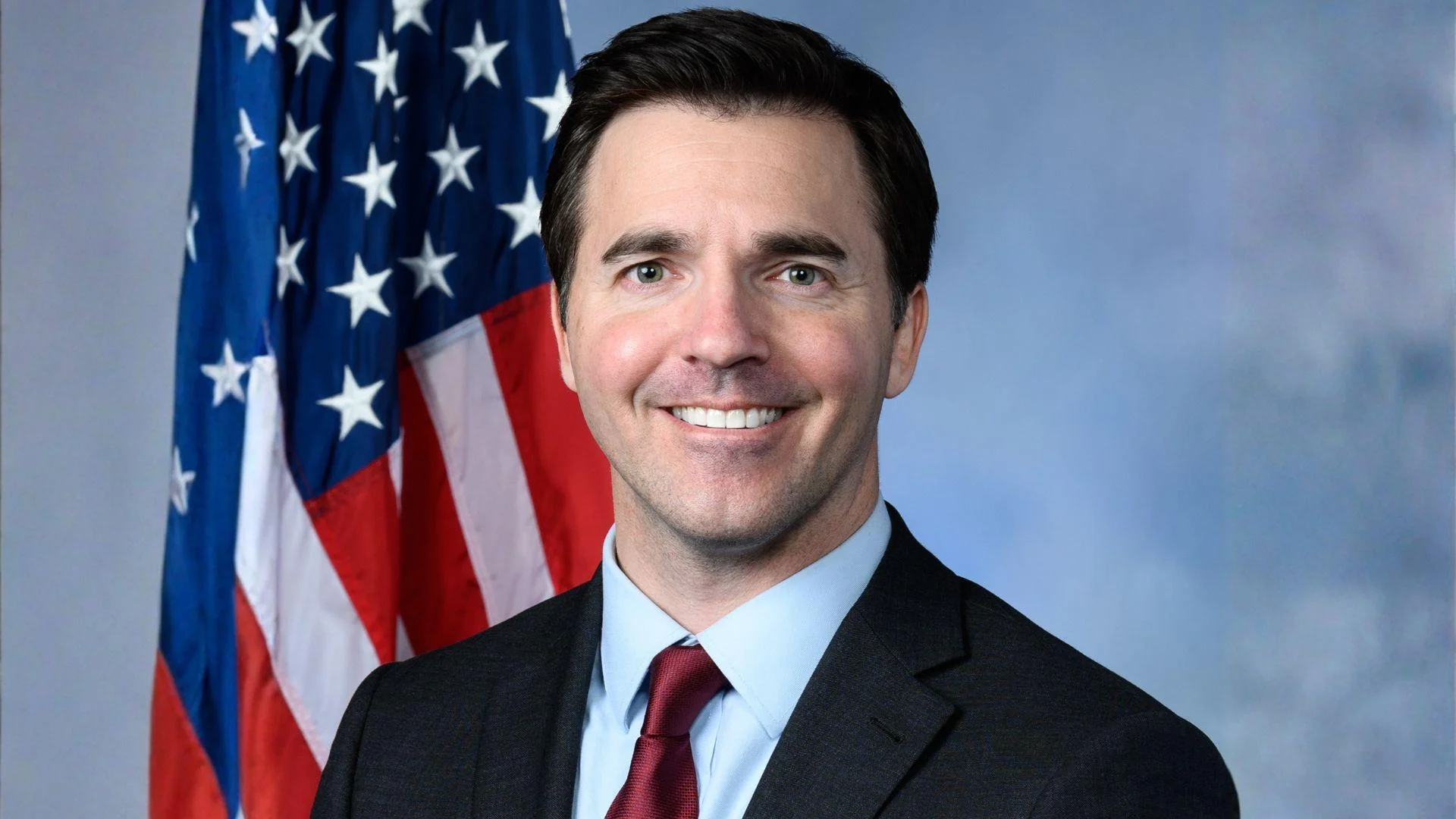

North Carolina Attorney General Jeff Jackson said on May 4 that he and 44 other attorneys general are urging the U.S. Department of Labor to require pharmacy benefit managers (PBMs) to disclose how they profit and allow employer audits.
"PBMs act as middlemen between insurers and drugmakers, controlling which prescriptions are covered and the costs. Just three companies manage roughly 80% of prescription claims in the U.S., but there's little transparency into how they make money or why drug costs change," Jackson said.
The proposed rule from the U.S. Department of Labor would require PBMs and certain affiliates to disclose direct and indirect compensation to self-insured employer health plans. The proposal is intended to help plan fiduciaries assess PBM compensation, rebates, spread pricing, and other payments tied to prescription drug benefits, according to the Department of Labor’s fact sheet.
Market concentration among PBMs has raised concerns about their influence over drug formularies, pharmacy reimbursements, rebate negotiations, and patient access. The Federal Trade Commission reported that nearly 80% of prescriptions filled in the United States are managed by just three PBMs. Spread pricing allows a PBM to charge an employer or health plan more for a prescription than it reimburses the pharmacy, keeping the difference—a practice that can increase costs for plan sponsors while leaving pharmacies with lower reimbursements.
Manufacturer rebates and fees can incentivize placement of higher-list-price drugs on formularies rather than those with the lowest net cost for patients at the pharmacy counter. Patients with deductibles or coinsurance may be especially affected when cost-sharing is based on list price instead of post-rebate price.
Jackson heads the North Carolina State Executive Attorney General's office, which represents state agencies in court, prosecutes criminal appeals, assists law enforcement, protects consumers, and extends its services across North Carolina.