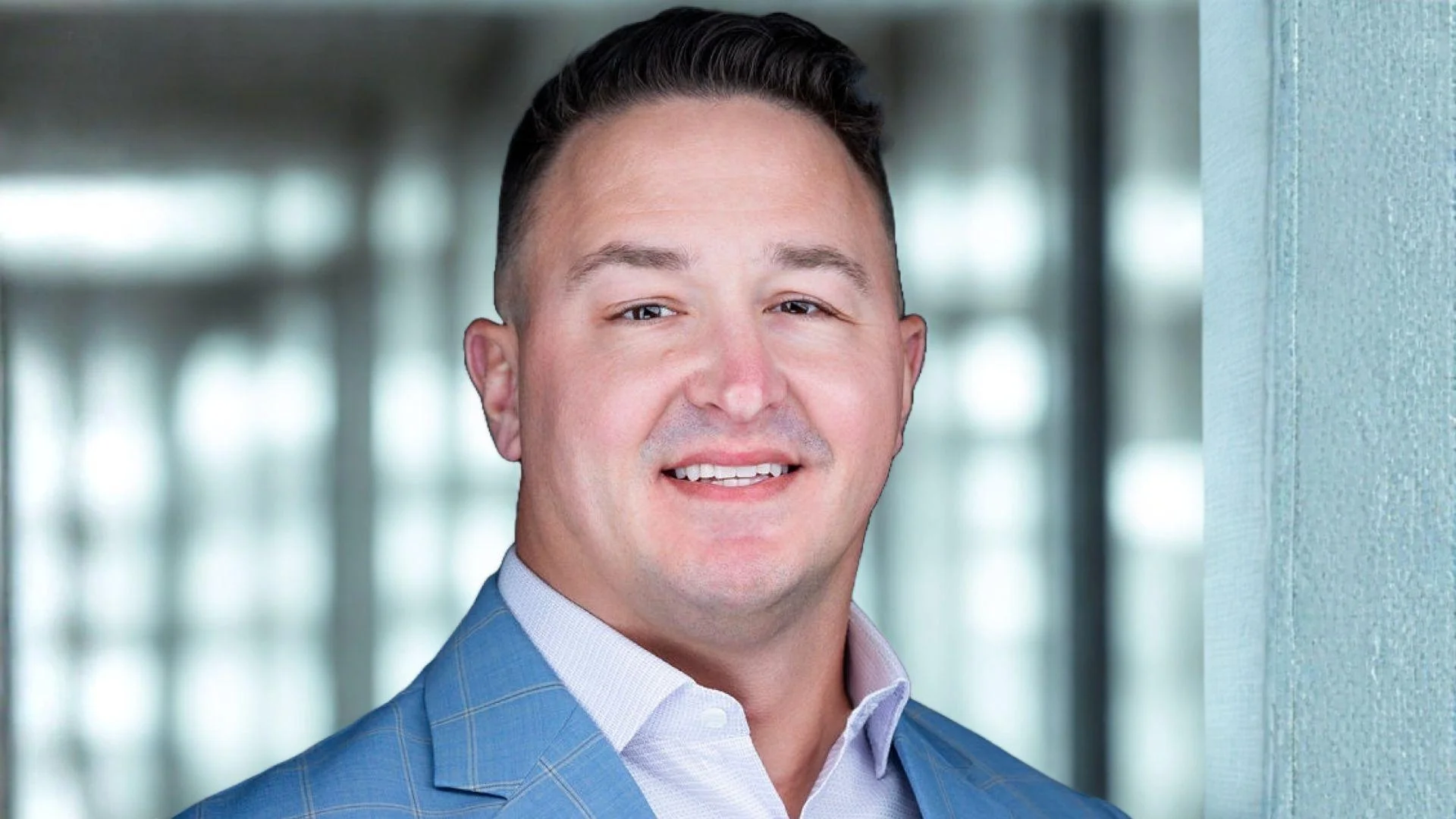

Matt Toresco, CEO of Archo Advocacy, said on April 17 that Humira’s continued market dominance highlights how biosimilar competition has yet to translate into broad patient savings, pointing to pharmacy benefit manager (PBM) incentives that he argues keep prices elevated even after patent expiration.
"Humira lost its patent in 2023. Nine biosimilars exist. Two years later it still holds 72% of the market at $7,000/month because PBMs profit from keeping prices high. Patients pay the spread," Toresco said in a social media post.
PBMs play a central role in the U.S. drug supply chain, determining which medicines are covered by insurance plans, how much patients pay at the pharmacy counter, and how pharmacies are reimbursed. Their influence over formulary design, rebate negotiations, and pharmacy networks can affect whether lower-cost alternatives are widely accessible, according to the Federal Trade Commission (FTC) in a July 2024 press release.
Despite the entry of biosimilars, Humira’s share of the adalimumab market remained dominant into late 2024. It accounted for about 72% of the market in November 2024, down from 96% in February 2024 and 77% in May 2024, while biosimilars increased their share from roughly 2% to 23% over the same period, according to reporting by Yahoo Finance. The data suggest that formulary placement and payer decisions continue to play a significant role in shaping biosimilar adoption.
Market concentration among PBMs also remains high.
The six largest PBMs manage nearly 95% of all prescriptions filled in the United States, according to the FTC, giving a small number of vertically integrated companies substantial influence over drug pricing, coverage decisions, and reimbursement flows across the health system.
State-level oversight has also raised concerns about PBM pricing practices. An Ohio state audit found that PBMs charged Medicaid a spread of more than 31% on generic drugs over a one-year period, amounting to approximately $208 million in payments above pharmacy acquisition costs, according to an Ohio Auditor press release. The report has been cited as an example of how spread pricing structures can increase public drug spending while limiting transparency in reimbursement.
Toresco is listed as Founder and CEO of Archo Advocacy, where his work focuses on strategic relationships, patient-centered market research, and health care engagement, according to Informa Connect.

