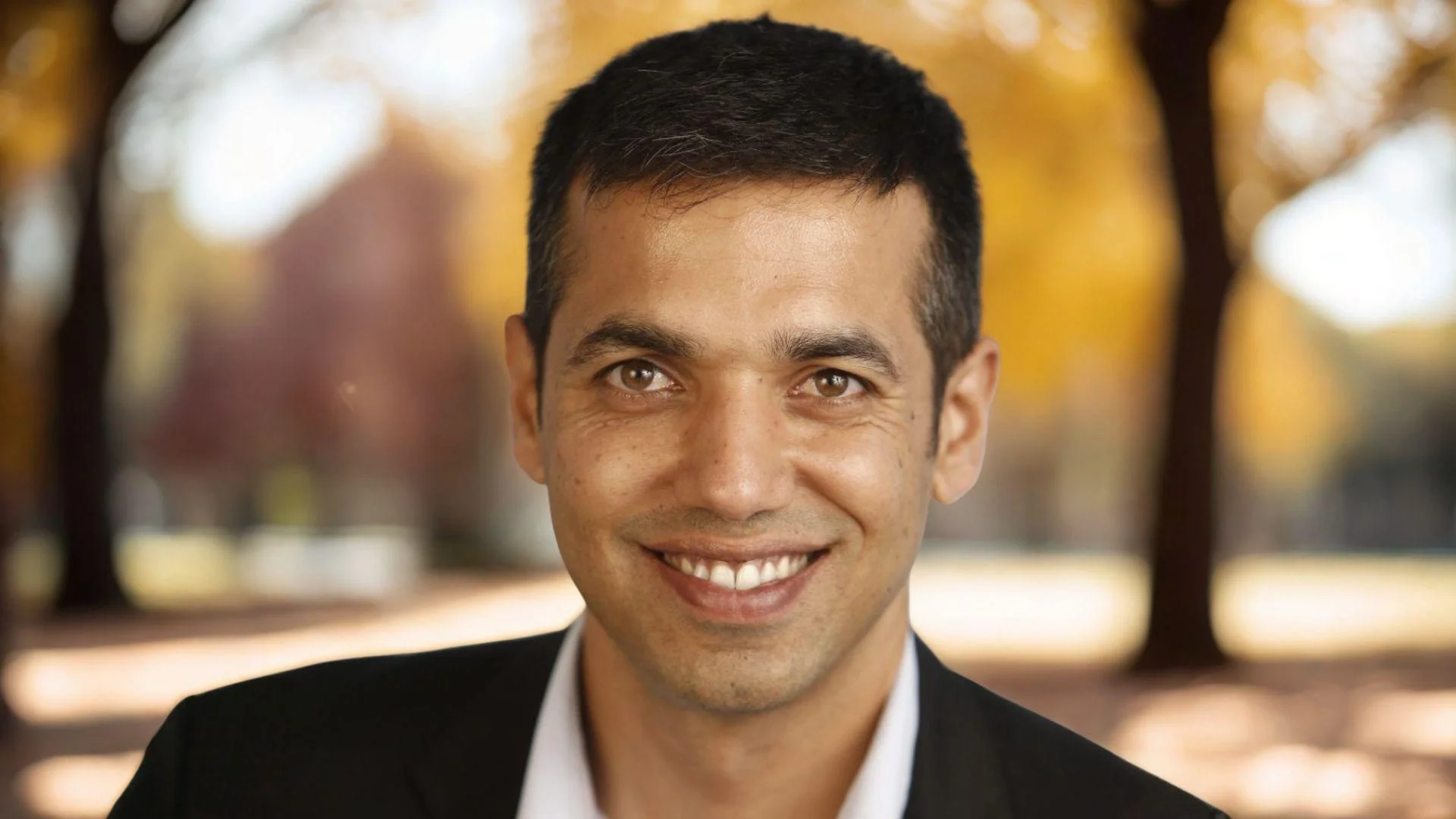

Neeraj Sood, Senior Scholar at the USC Schaeffer Center for Health Policy and Economics, said that pharmacy benefit manager (PBM) reform should combine greater transparency with enforceable fiduciary responsibility, allowing employers and patients to better align PBM incentives with lower-cost drug purchasing.
“I’ve been studying PBMs for as long as the complaints have been piling up. My research with colleagues at the USC Schaeffer Center shows that PBMs negotiate, but patients and payers too often do not benefit from it," Sood wrote in an opinion article on STAT News.
"Between 2014 and 2018, PBMs’ share of insulin expenditures nearly tripled with no overall savings to payers. At the same time, higher rebates led to higher list prices — roughly $1.17 in higher list price for every additional dollar in rebates — which inflates out-of-pocket costs for patients whose cost-sharing is tied to list prices. If PBMs want to claim they save employers and patients billions, they should be willing to prove it — and to be held responsible when they don’t,” he added.
His remarks come as policymakers weigh PBM reform proposals, including the FAIR Act and Department of Labor disclosure requirements, which aim to increase oversight of pricing practices and address potential self-dealing. The PBM FAIR Act is a bipartisan Senate bill in the 119th Congress that would amend the Employee Retirement Income Security Act (ERISA) to classify pharmacy benefit managers as fiduciaries. The bill is sponsored by Sen. Roger Marshall, with Sens. Tim Kaine, Chuck Grassley, and Maggie Hassan among the cosponsors, and was referred to the Senate HELP Committee on December 17, 2025.
Market concentration in the PBM industry is high. The three largest PBMs processed nearly 80% of roughly 6.6 billion prescriptions filled in U.S. pharmacies in 2023, while the six largest processed more than 90%, according to a Federal Trade Commission staff report. All six are vertically integrated with their own mail-order or specialty pharmacy operations.
Research from the USC Schaeffer Center also highlights how insulin spending reflects broader concerns about middlemen in drug pricing. Between 2014 and 2018, the share of insulin expenditures going to intermediaries such as PBMs rose from 30% to 53%, while net expenditures remained relatively flat and manufacturers’ share declined.
Sood holds appointments across several schools at the University of Southern California, including the Price School of Public Policy, Keck School of Medicine, Marshall School of Business, and Viterbi School of Engineering. His research focuses on pharmaceutical markets and health care economics.

