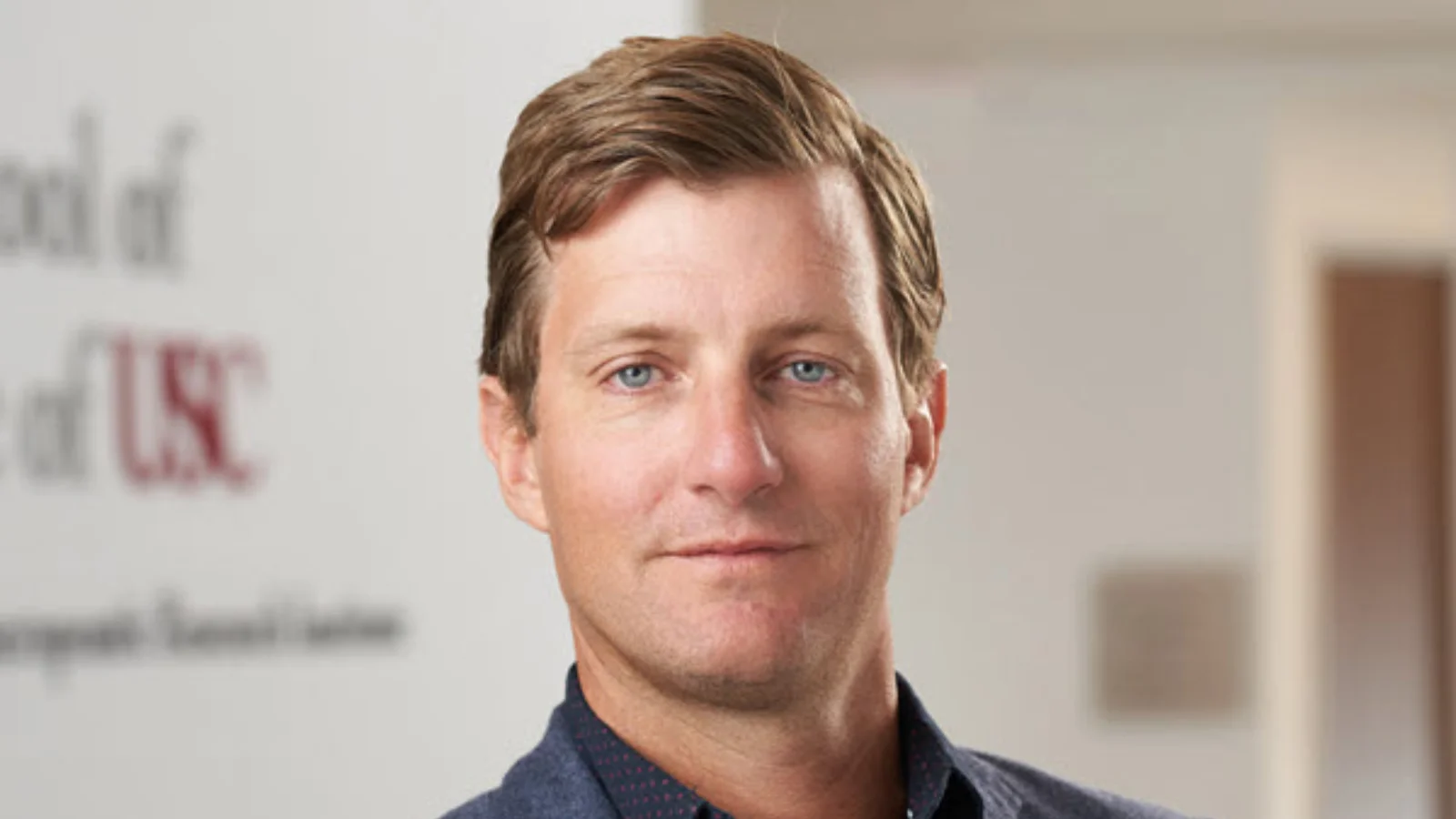

Researchers from the Keck School of Medicine of USC reported on Apr. 27 that they have identified three distinct patterns of cognitive change among people with preclinical Alzheimer's disease. The study found that about 70% of participants remained stable over a six-year period, while others experienced either slow or fast cognitive decline.
This research is important because it highlights how Alzheimer's disease does not progress at the same rate for everyone. Understanding these differences could help improve prognosis for patients and make clinical trials more effective.
"Most studies look at the average across participants, which can make it seem like everyone is slowly getting worse at the same rate," said Michael Donohue, PhD, professor of neurology and associate director of biostatistics at the USC Epstein Family Alzheimer's Therapeutic Research Institute at the Keck School of Medicine. "But we found that this approach masks major differences between people, suggesting that Alzheimer's disease is more variable than often depicted."
The study used data from two related projects: the Anti-Amyloid Treatment in Asymptomatic Alzheimer's Disease (A4) study and its companion LEARN study. Participants completed memory and thinking tests as well as brain scans and blood tests for biomarkers such as phosphorylated tau (P-tau217). The researchers' models were able to classify whether someone would remain stable or worsen with about 70% accuracy based on these biomarkers.
Runpeng (Tony) Li, PhD, a postdoctoral scholar at the Keck School of Medicine and first author on the paper, said: "These results suggest we may need to rethink how we design clinical trials in preclinical Alzheimer's disease. Many people with Alzheimer's remain stable over the course of a study, which can make it hard to tell if a treatment is working. Identifying those who are more likely to decline could make trials more efficient and more informative."
Donohue also noted: "P-tau217 was one of the strongest signs of which participants would decline, but we still cannot predict exactly how an individual person's disease will progress." The team plans to refine their model further by adding additional biomarkers in hopes of improving prediction accuracy.
Looking ahead, researchers plan to examine cases where predictions did not match outcomes—those who were expected to stay stable but declined or vice versa—to better understand what factors contribute to resilience against Alzheimer’s progression.