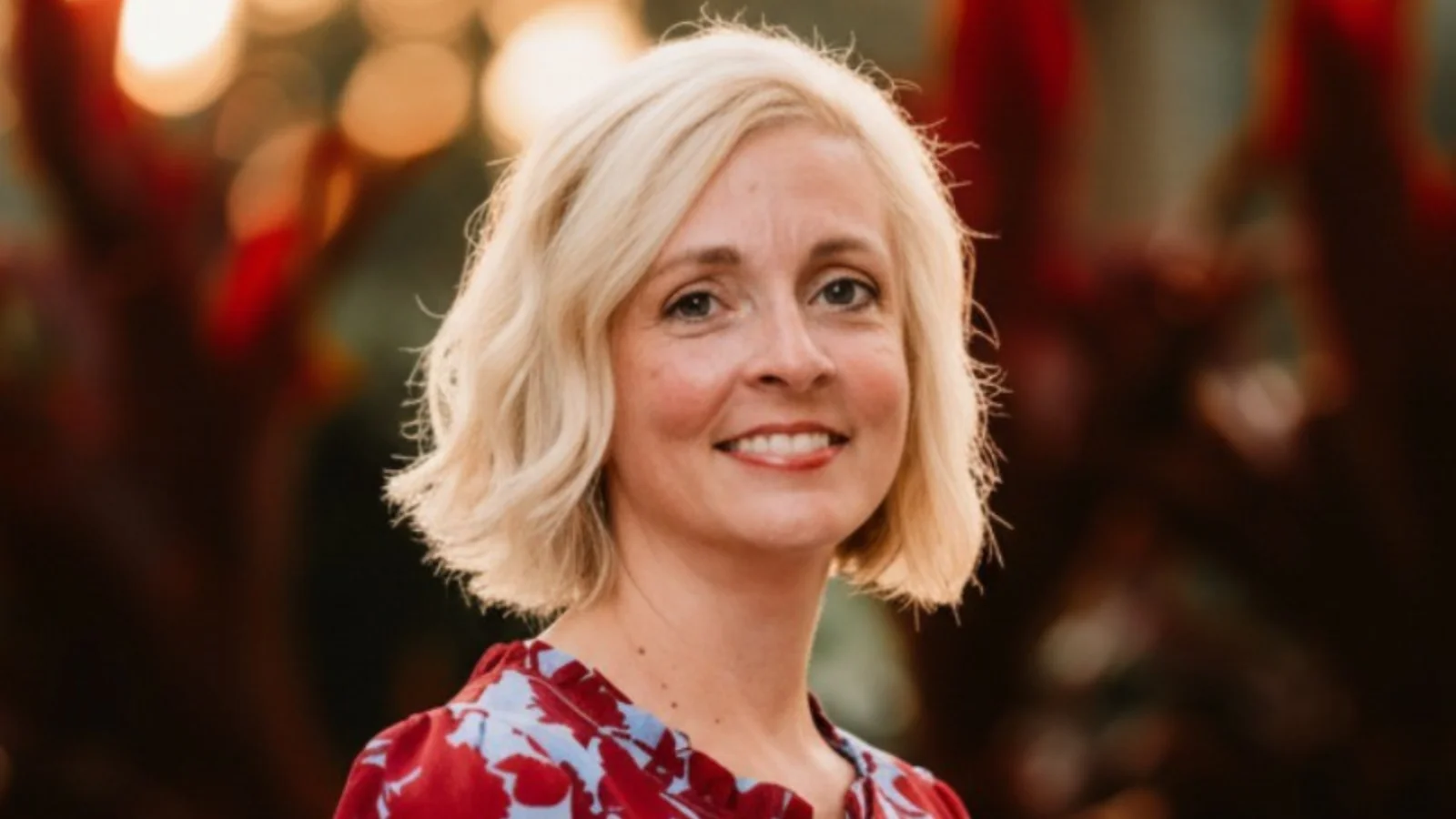

Ginny Crisp, PharmD, CEO of Prescription Benefit Solutions, said PBM reform bills moving through state legislatures this year all target the same "middleman" problem driving up drug costs for employers and patients.
According to Crisp, "Every PBM reform bill moving through the states this year points at the same target: a middleman that owns the pharmacy, sets the price, pays itself, and audits its own books. When the fix is that identical across red and blue states, it isn't a loophole. It's the business model."
Pharmacy benefit managers act as intermediaries between drug manufacturers, insurers, and pharmacies by negotiating rebates and managing drug formularies for health plans. The three largest PBMs processed nearly 80 percent of all U.S. prescriptions as of 2024, according to the Commonwealth Fund.
A 2024 Federal Trade Commission interim report found that these dominant PBMs have used their market power to inflate drug costs, steer patients toward affiliated pharmacies, and reduce reimbursement rates for independent pharmacies. The report also noted nearly $1.6 billion in excess revenue generated from just two cancer drugs over less than three years, according to the FTC.
All three major PBMs operate within vertically integrated parent companies that also own health insurers and pharmacy networks. CVS Health includes CVS Caremark and Aetna; Cigna's Evernorth division encompasses Express Scripts; UnitedHealth Group houses OptumRx alongside UnitedHealthcare, according to First Analysis.
Crisp has more than 15 years of experience consulting with self-funded employers on eliminating PBM waste. According to her professional profile, she completed advanced residencies in ambulatory care and geriatrics.

