
Eli Lilly announced on April 14 its acquisition of CrossBridge Bio, an early-stage biotechnology company focused on next-generation antibody-drug conjugates (ADCs), with the aim of advancing cancer care. The deal includes an undisclosed upfront payment and the potential for CrossBridge Bio shareholders to receive up to $300 million in cash.
The acquisition is significant as it demonstrates Lilly's ongoing commitment to expanding its oncology pipeline and addressing gaps in cancer treatment. By integrating new ADC technology, the company aims to develop therapies that could improve outcomes for patients with limited options.
CrossBridge Bio, founded in 2023 and based in Houston, specializes in dual-payload ADC technology. Its lead program, CBB-120, targets TROP2—a protein often found at high levels in several solid tumors. The company believes this investigational therapy could offer a safer and more durable alternative compared to existing TROP2-targeting ADCs such as Gilead Sciences’ Trodelvy. CBB-120 is also designed to address resistance mechanisms that limit current treatments.
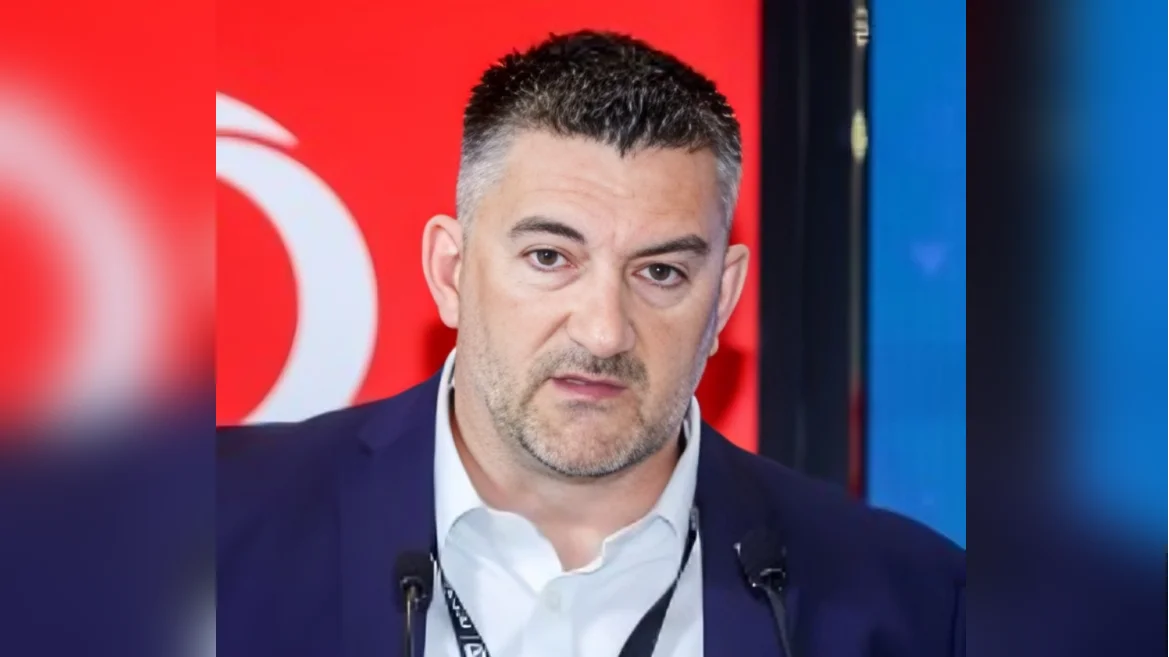
According to Michael Torres, CEO of CrossBridge Bio: “We look forward to seeing how Lilly advances our new generation of dual-payload antibody-drug conjugates, including CBB-120, with the potential to meaningfully improve outcomes for patients with limited treatment options.”
The companies did not disclose further details about the buyout. This move follows several recent acquisitions by Eli Lilly—including a $6.3 billion purchase of Centessa Pharmaceuticals—and reflects the company's strategy fueled by strong sales from its diabetes and weight loss drug tirzepatide. In addition, Lilly has been investing heavily in artificial intelligence partnerships such as a recent agreement worth up to $2.75 billion with Insilico Medicine aimed at accelerating oral drug development.
With plans underway for regulatory submissions seeking permission from the Food and Drug Administration (FDA) to begin human trials of CBB-120 later this year, observers will be watching how these efforts impact future cancer treatment options.