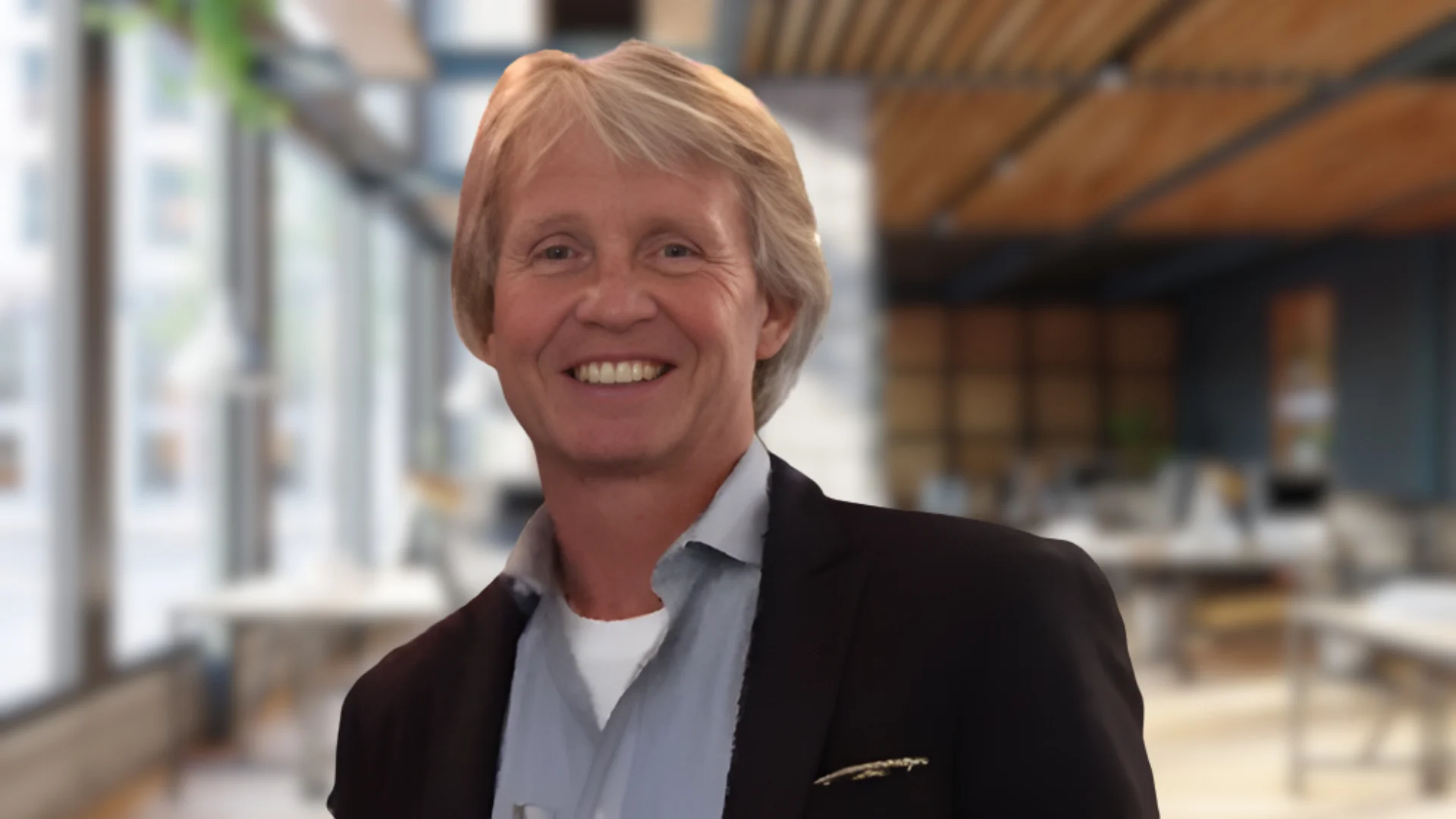

A Brooklyn resident is managing his high blood pressure from home with the help of remote monitoring technology, according to an April 6 announcement from NYU Langone. Timothy Rhonda, age 57, received a Bluetooth-enabled blood pressure cuff at Park Ridge Family Health Center after his care team detected dangerously elevated readings.
The use of remote patient-monitoring aims to improve health outcomes for patients in underserved communities by allowing clinicians to track vital signs and adjust treatment virtually. The program began in January 2022 as part of an initiative supported by the National Institutes of Health and NYU Langone's Beyond Bridges program. It is designed to bring together community-based and clinical efforts for better health among diverse populations in Sunset Park.
Rhonda had previously undergone heart valve surgery at NYU Langone but stopped taking medication afterward. When he returned for care years later due to discomfort and numbness, tests showed that his blood pressure was again dangerously high. Through the remote monitoring program, a virtual health team now reviews his readings regularly and adjusts medications as needed between office visits. "Once my team adjusted my medication, my blood pressure came under control," said Rhonda. "I feel much better knowing it's being monitored. It's been wonderful and very helpful for me."
Research published in NEJM Catalyst showed that integrating remote monitoring into primary care can improve both patient engagement and outcomes. In one study led by Antoinette M. Schoenthaler at NYU Grossman School of Medicine, about 4,000 patients with uncontrolled hypertension were identified across Family Health Centers at NYU Langone; nearly 1,000 received devices for home use, resulting in significant improvements in blood pressure control compared to usual care.
The program features tools that identify eligible patients during clinic visits and support their enrollment into remote monitoring seamlessly for both staff and participants—including those who face language or technological barriers. Arielle Elmaleh-Sachs said: "Many of our patients face technological barriers... By combining remote monitoring with education and support, we're able to help patients actively participate in their care." Community health workers also assist with device setup while addressing social factors affecting participation.
By making regular monitoring more accessible—especially for those without reliable access to computers or smartphones—the initiative seeks not only to prevent complications but also empower individuals like Rhonda: "I think everyone who needs their blood pressure monitored should try it," he said. "It can save your life."



