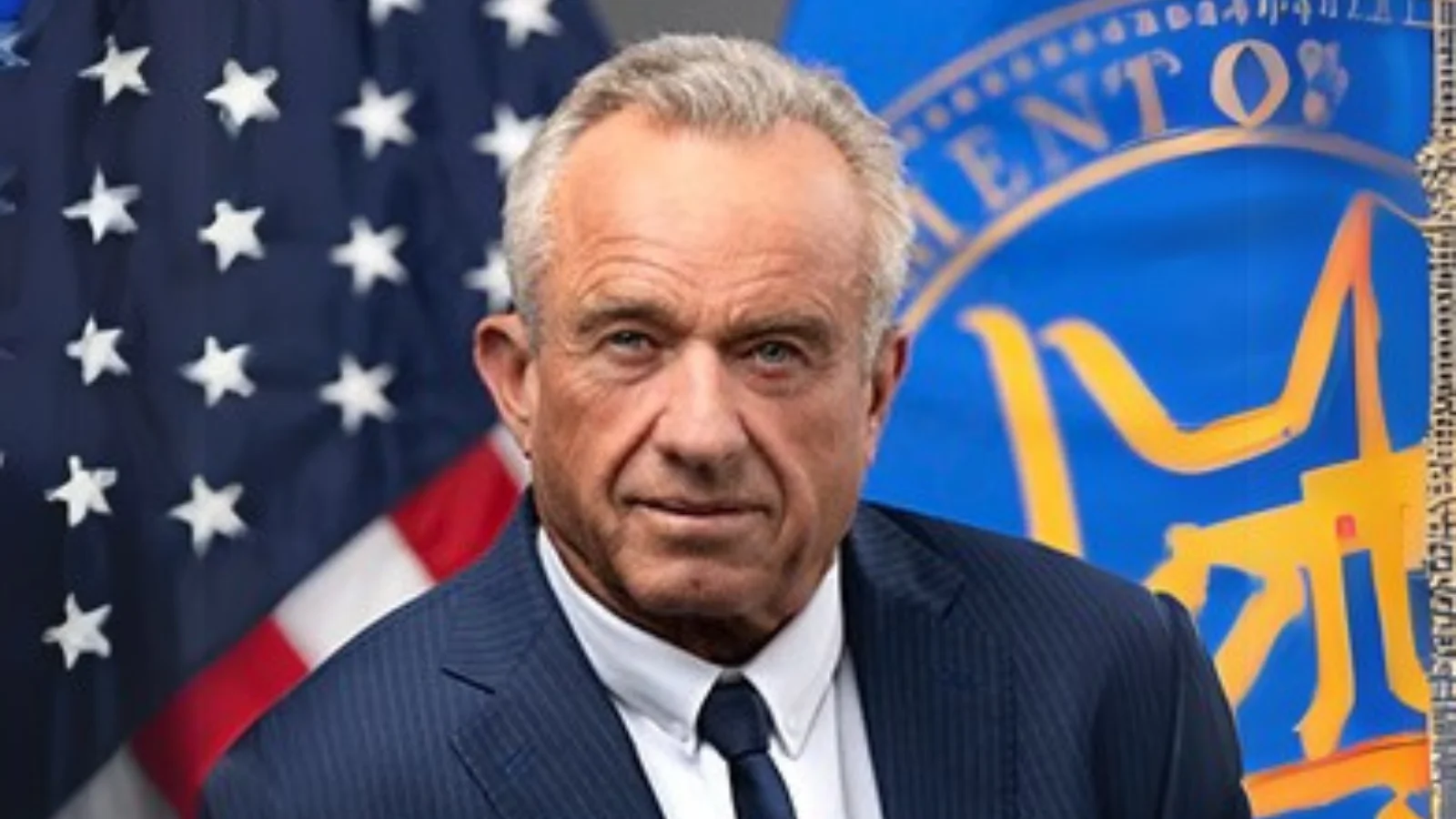

ProPublica published an article last week saying U.S. Health and Human Services Secretary Robert F. Kennedy Jr.’s approach to vaccine policy is raising concerns about a potential resurgence of preventable childhood diseases.
The article, written by Patricia Callahan, said that Kennedy is spreading doubts about the safety of vaccines and considering changes that could prompt manufacturers to leave the U.S. market, which may threaten access for parents seeking immunizations for their children.
The report recounts cases from 2022 and 2023 where unvaccinated infants in New York City suffered from invasive Haemophilus influenzae type b (Hib), a disease once nearly eradicated in the United States due to widespread vaccination.
Dr. Adam Ratner, who treated these cases, described them as events that should never occur in modern medicine.
"This should be a never event," Ratner told his colleagues after treating an infant with Hib.
ProPublica’s investigation found that trust in vaccines and access to them—two pillars of the U.S. immunization system—are now at risk due in part to federal leadership’s changing stance on vaccination. The article notes that Kennedy has previously founded an antivaccine group and compared child immunization efforts to historical atrocities, while also proposing policy shifts such as dropping six diseases from the routine childhood immunization schedule.
The American Academy of Pediatrics has boycotted meetings of the new advisory committee overseeing vaccine recommendations and sued to block some of Kennedy’s moves. A federal judge recently put on hold Kennedy's appointments to this panel and paused changes made to the childhood vaccine schedule after finding many new members appeared unqualified.
Global implications are also addressed: The U.S., under Kennedy’s direction, withdrew a $1.6 billion pledge from Gavi, an international vaccine aid group, affecting efforts abroad against diseases like diphtheria, rubella, and polio—diseases which can still reach American shores through travel or migration.
Kennedy, who ran for U.S. President as a Democrat before transitioning to an Independent candidate and then dropped out to endorse President Donald Trump, spent his career as a plaintiffs’ attorney.
He disclosed in an ethics filing that he intends to retain legal fees earned from private litigation that does not directly involve the federal government if confirmed as secretary of Health and Human Services, reported Reuters.
The filing states Kennedy receives 10% of contingency fees in cases he refers to the plaintiffs’ firm Wisner Baum and reported at least $857,000 in referral income from the firm, said the report.
The disclosure also showed Kennedy reported $8.8 million in partnership profits from Kennedy & Madonna, the plaintiffs’ firm he co-founded, which was recently renamed Madonna & Madonna.
According to the Reuters report, Kennedy has collaborated with Wisner Baum on mass-tort litigation involving Merck’s Gardasil vaccine and Monsanto’s Roundup herbicide, and that he has worked on contingency matters with plaintiffs’ firm Morgan & Morgan.
“As HHS Secretary, RFK Jr. is spouting the same junk science theories to make nationwide policy decisions that trial lawyers have used in courtrooms for years,” said Lauren Sheets Jarrell, vice president and counsel for civil justice policy at the American Tort Reform Association (ATRA).
Her comments came as ATRA released a report called “The Junk Science Playbook,” which said that policy shifts at HHS mirror litigation strategies long used in mass tort cases.
According to the report, changes to advisory panels, regulatory interpretations, and public health messaging could weaken long-standing liability frameworks that protect vaccine manufacturers and other health care innovators from expansive lawsuits. ATRA said that trial attorneys often rely on evolving regulatory positions to bolster claims in court, and that federal policy shifts can directly influence litigation trends.
The report points specifically to the stability of the National Vaccine Injury Compensation Program (VCIP), which was established by Congress in 1986 under the National Childhood Vaccine Injury Act to provide a no-fault alternative to traditional litigation while maintaining vaccine supply.
ATRA said in its report that undermining that structure could increase exposure to large-scale lawsuits.

