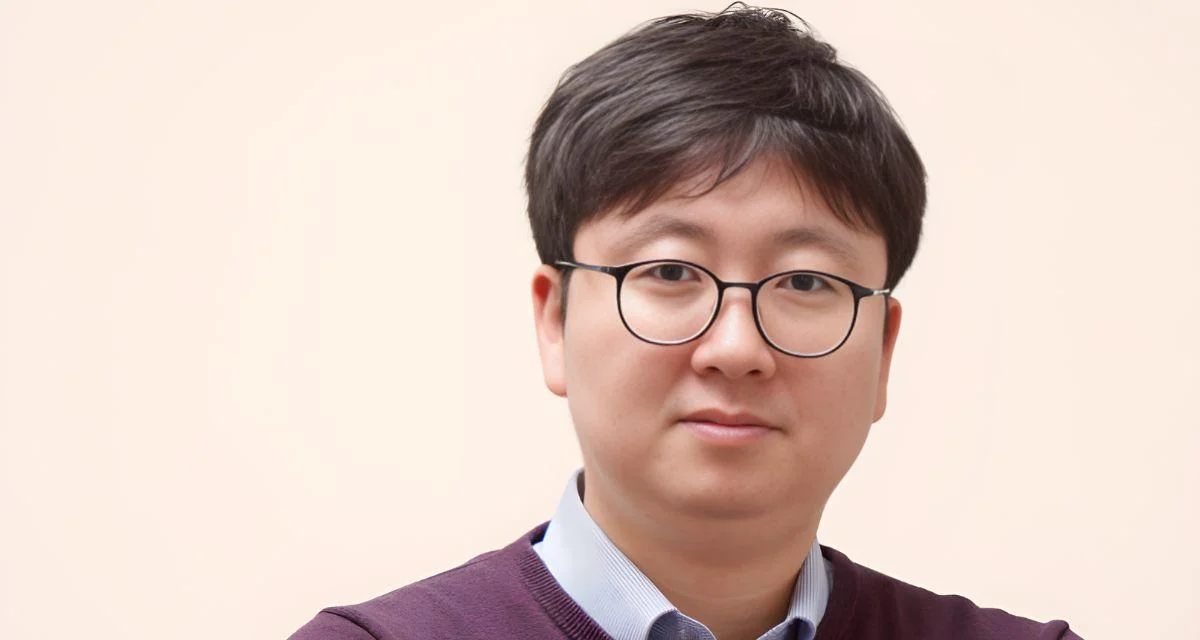

A Korean research team announced on Apr. 8 that preconditioning a subset of skin cells into a 'ready state' enables tissue to begin rapid and effective healing immediately after injury. The study, led by Professor Sekyu Choi at Pohang University of Science and Technology (POSTECH) with collaborators from the Institute for Basic Science, the Catholic University of Korea, and the University of Washington, was published in Nature Communications.
The findings matter because wound healing can be slow or incomplete in elderly patients or those with conditions such as diabetes. Current regenerative medicine approaches often rely on cellular reprogramming using Yamanaka factors to revert cells to an embryonic-like state. However, this full reprogramming carries risks such as uncontrolled growth and potential tumor formation.
Instead, the team used what they call a 'gentle rewind,' partially reprogramming only a limited number of epidermal cells without fully resetting them. This method—termed mosaic partial reprogramming—aims to shift selected cells into a slightly more youthful state while minimizing risks associated with complete dedifferentiation.
In animal models, even before injury occurred, both targeted and neighboring normal skin cells began changing their behavior through activation of signaling pathways like PI3K-AKT, EGFR, and HIF-1α. When wounds were introduced later on, researchers observed faster formation of new epithelial layers, improved regulation of blood vessel growth and immune responses, accelerated overall healing time, and reduced scarring—even under diabetic conditions where healing is typically impaired.
"This study is the first to show that manipulating only a fraction of cells can reshape the state of the skin tissue as a whole through intercellular communication," said Professor Sekyu Choi. First author Minjun Kwak said: "Our findings could lay the groundwork not only for therapies targeting chronic wounds in diabetic or elderly patients but also for anti-aging technologies and the development of regenerative medicines and biomaterials."
The research received support from several government programs focused on regenerative biotherapeutics and stem cell therapy development.



