
Older adults who receive a higher dose of the influenza vaccine have a significantly lower risk of developing Alzheimer’s disease compared to those who get the standard dose, according to research led by UTHealth Houston and published on Apr. 1 in Neurology.
The findings are important as Alzheimer’s disease remains the most common form of dementia, currently affecting more than 7 million Americans ages 65 and older. That number is expected to more than double by 2050, making prevention strategies critical for public health.
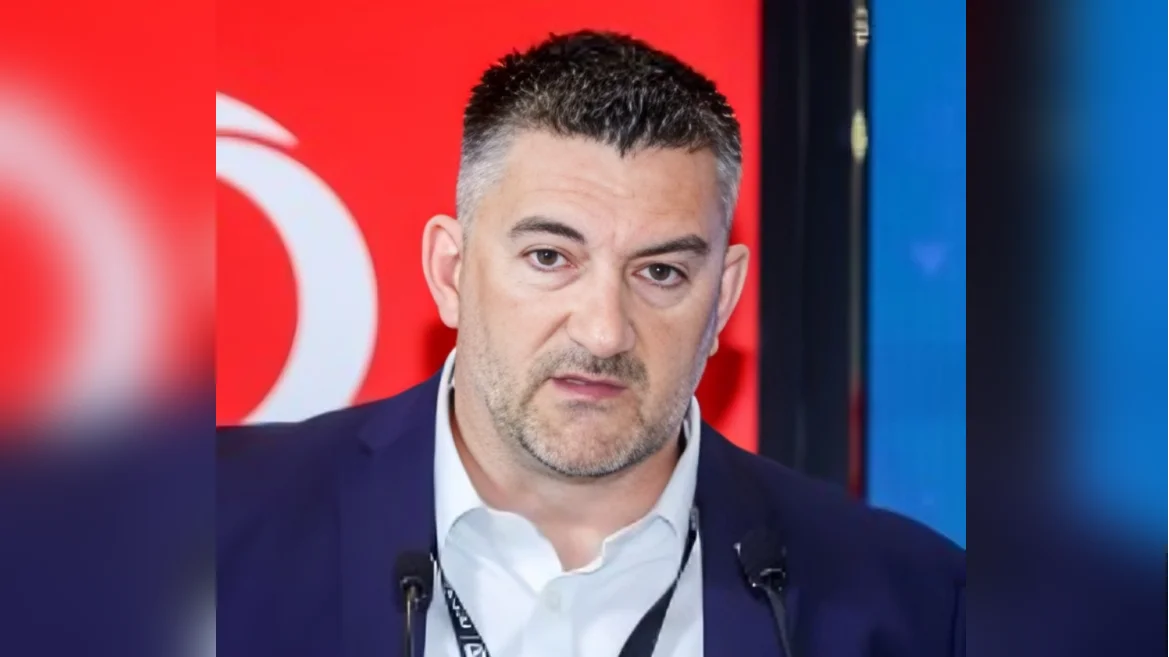
Paul Schulz, MD, professor of neurology at McGovern Medical School at UTHealth Houston and director of the Neurocognitive Disorders Center at UTHealth Houston Neurosciences, said that inspiration for this study came after local public health officials questioned whether different dosages of flu vaccines made a difference in reducing Alzheimer’s risk. "The public health department had seen our vaccine research and asked if I could come down to talk to them about it," Schulz said. "We went through the findings, and they asked if there was a difference with different dosages; I was confused." He added, "I was stunned that, as a physician, I didn't know a higher dose was offered."
Researchers analyzed data from nearly 200,000 participants aged 65 and older who received either high- or standard-dose influenza vaccines. They found that while standard-dose vaccination reduced Alzheimer's risk by about 40%, those receiving high-dose vaccines had nearly a 55% reduced risk. The protective effect appeared stronger among women.
Schulz explained that demand sometimes outpaces supply for high-dose vaccines among seniors: some end up receiving only the standard dose due to shortages in certain areas. Prior studies showed inactivated flu vaccines were associated with lower Alzheimer's risk but did not compare dosage levels until now.
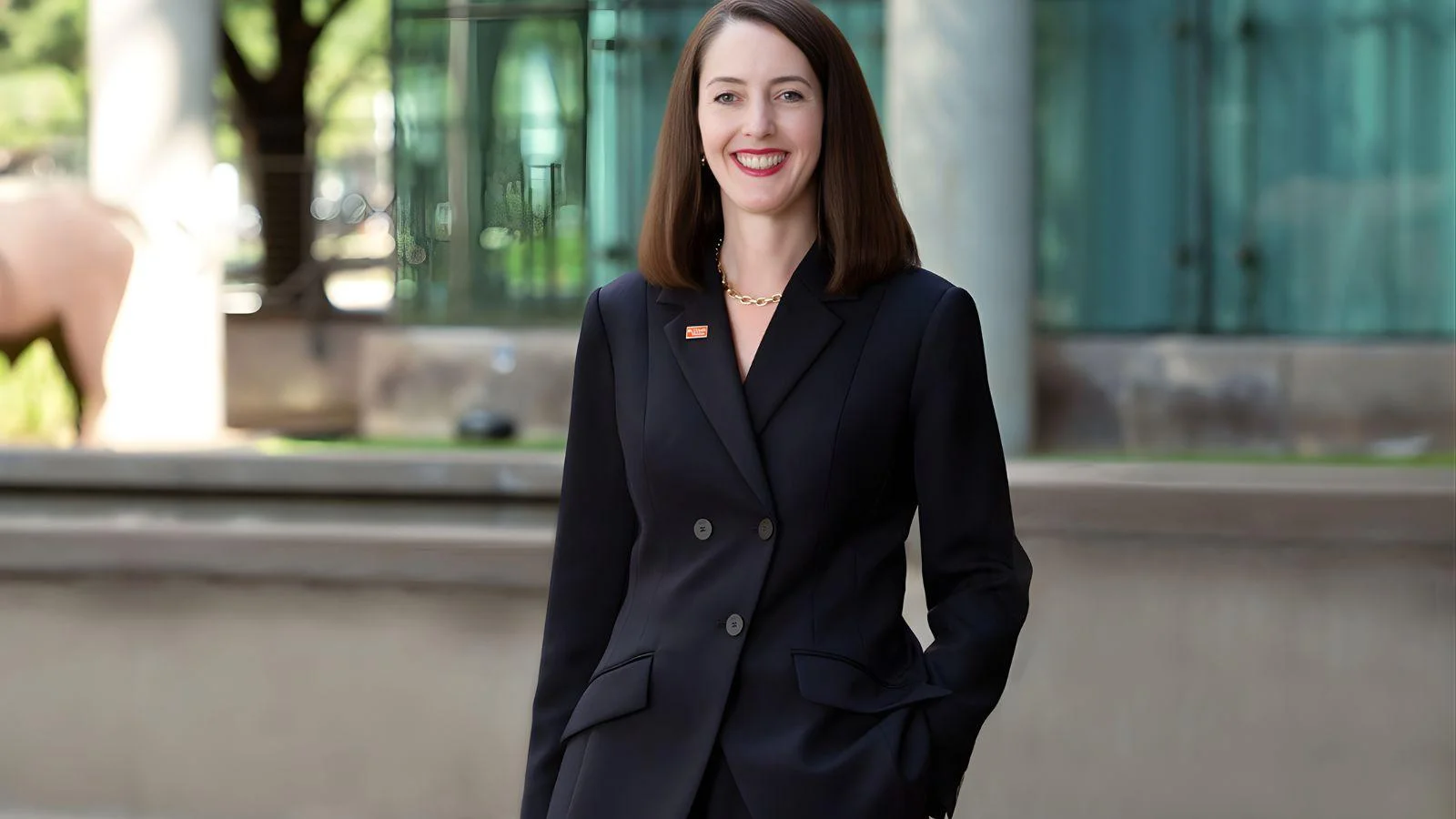
Avram Samuel Bukhbinder, MD—now at Massachusetts General Hospital and Harvard University—is also listed as corresponding author on this study. Schulz holds faculty appointments at both McGovern Medical School and The University of Texas MD Anderson Cancer Center UTHealth Houston Graduate School of Biomedical Sciences.