
AI software developed to help diagnose sleep apnoea in children achieved high accuracy during a trial at the Royal Hospital for Children under NHS Greater Glasgow and Clyde, according to an April 1 announcement. The study was independently reviewed by clinical specialists.
The use of artificial intelligence in diagnosing paediatric sleep apnoea is seen as significant because the condition affects up to 4% of children globally but often goes undiagnosed. Untreated, it can lead to serious developmental and behavioural issues. Traditional diagnosis involves manually interpreting large amounts of physiological data from sleep studies, a process that can take up to four hours per patient and requires specialist staff who are in limited supply.
Seluna, a Glasgow-based company, tested its autoscoring and sleep staging software on 500 retrospective sleep studies. The technology uses machine learning algorithms for automated analytics and processed each study in less than five minutes. The AI identified severe cases with 100% accuracy based on AHI severity classification; mild cases were detected with 86% accuracy and moderate cases with 92%. Overall performance matched human inter-scorer variability.
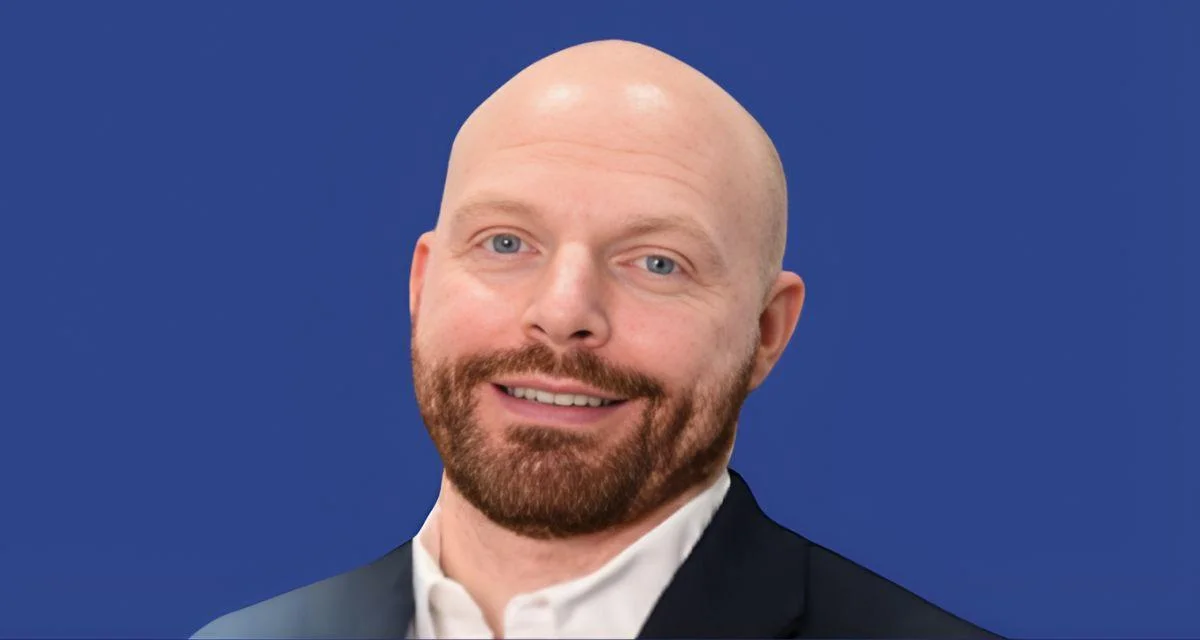
Dr Scott Black, CEO of Seluna, said: “I’ve heard doctors describe their sleep departments as ‘drowning in data’, with no ability to scale to meet growing demand. What this study proves is that our software works on real NHS data, with all the missing sensors and messy signals that paediatric sleep medicine involves. Our goal now is to replicate this study with hospitals across the UK and get our solution into the hands of clinicians.”
Findings from the trial were independently reviewed by specialists at Sheffield Children’s NHS Foundation Trust and University Hospital Southampton NHS Foundation Trust. Dr Haytham Kubba, paediatric ENT surgeon at the Royal Hospital for Children said: “Adenotonsillectomy is the most common procedure we perform in children, and sleep apnoea is the most common reason for it. Seluna’s technology has the potential to reduce delays, improve consistency in reporting, and allow us to prioritise care for the children who most urgently need intervention.”
A multi-site UK-wide study led by Dr Heather Elphick at Sheffield Children’s NHS Foundation Trust has received ethical approval involving six paediatric hospitals across Glasgow, Southampton, Sheffield, Alder Hey, Evelina, and Great Ormond Street. In addition, Seluna plans further algorithm optimisation research in multiple sites across the United States pending ethics approval.



