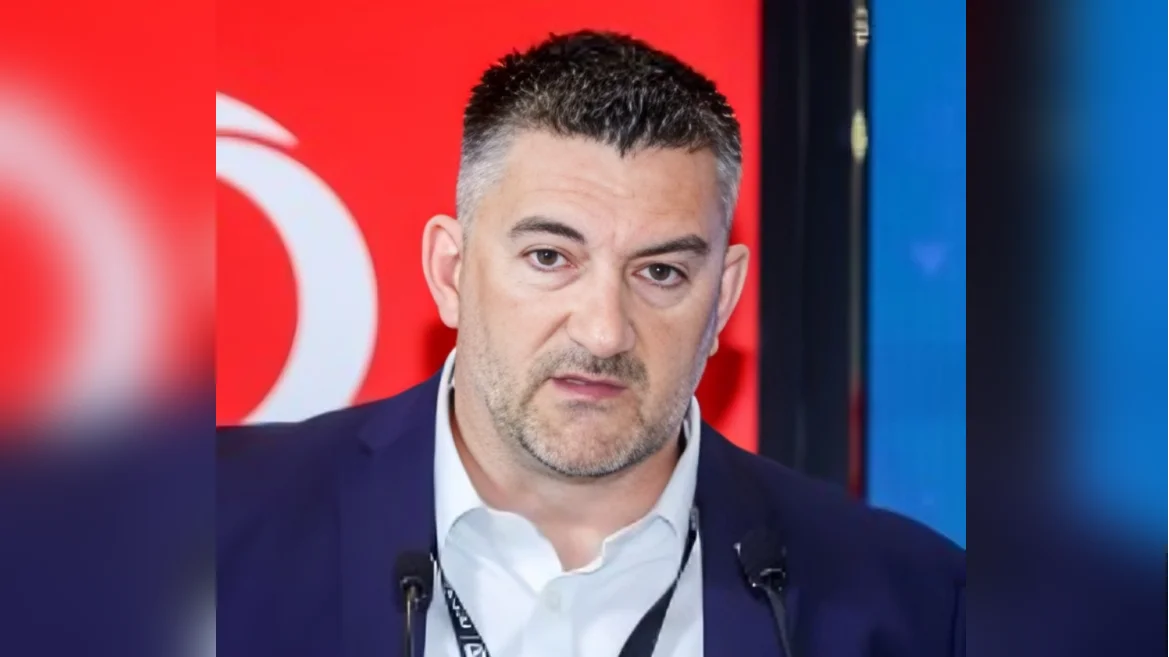

Researchers at NYU Grossman School of Medicine announced on Mar. 30 that using two types of heart imaging can help identify the cause of heart attacks in patients whose arteries do not show blockages. The study focused on a condition called myocardial infarction with non-obstructive coronary arteries (MINOCA), which accounts for between 6 and 15 percent of all heart attacks and is more common in women.
The research matters because many patients who suffer these types of heart attacks do not receive clear answers or tailored treatments, leaving them uncertain about their diagnosis and care options.
The Heart Attack Research Program (HARP) enrolled 336 patients from the United States, Canada, and the United Kingdom to examine how combining coronary optical coherence tomography (OCT) with cardiac magnetic resonance imaging (MRI) could improve diagnosis. Dr. Reynolds presented the findings at the American College of Cardiology's annual session and reported that "combining coronary optical coherence tomography (OCT) and a cardiac magnetic resonance imaging (MRI) identified the underlying cause of the heart event in 79 percent of study participants." OCT involves placing a thin catheter inside coronary arteries to detect plaque or clots invisible on standard tests, while MRI reveals detailed images showing damage or inflammation in heart muscle.
Most participants—59 percent—were found to have typical mechanisms for reduced blood flow such as plaque buildup or artery spasm, while another 20 percent had conditions mimicking a traditional heart attack like myocarditis or takotsubo syndrome. These results support current clinical guidelines recommending advanced imaging for MINOCA but also highlight limitations in standard angiography alone.
Dr. Reynolds said, "We had hoped to be able to tailor testing to individual patients. Instead, we found that comprehensive imaging is often necessary to get the full answer." The study also showed no significant difference between men and women regarding underlying causes once MINOCA occurs.
Ashley Perlow, one patient featured in the research, described her experience: "This is a scary type of heart attack," she said. "When you don't know what caused it, you worry anything could trigger it again." Dr. Reynolds added: "This is part of a broader shift in how we think about heart disease... There is a spectrum of conditions that don't look like the traditional heart attack but are just as real and important to diagnose."
Future research will aim at developing treatment strategies based on specific diagnoses revealed by these dual-imaging techniques.