
A leader at a national consumer choice advocacy organization said U.S. Health and Human Services Secretary Robert F. Kennedy Jr. spent years promoting fear among consumers “using junk science” while working as a plaintiffs’ attorney.
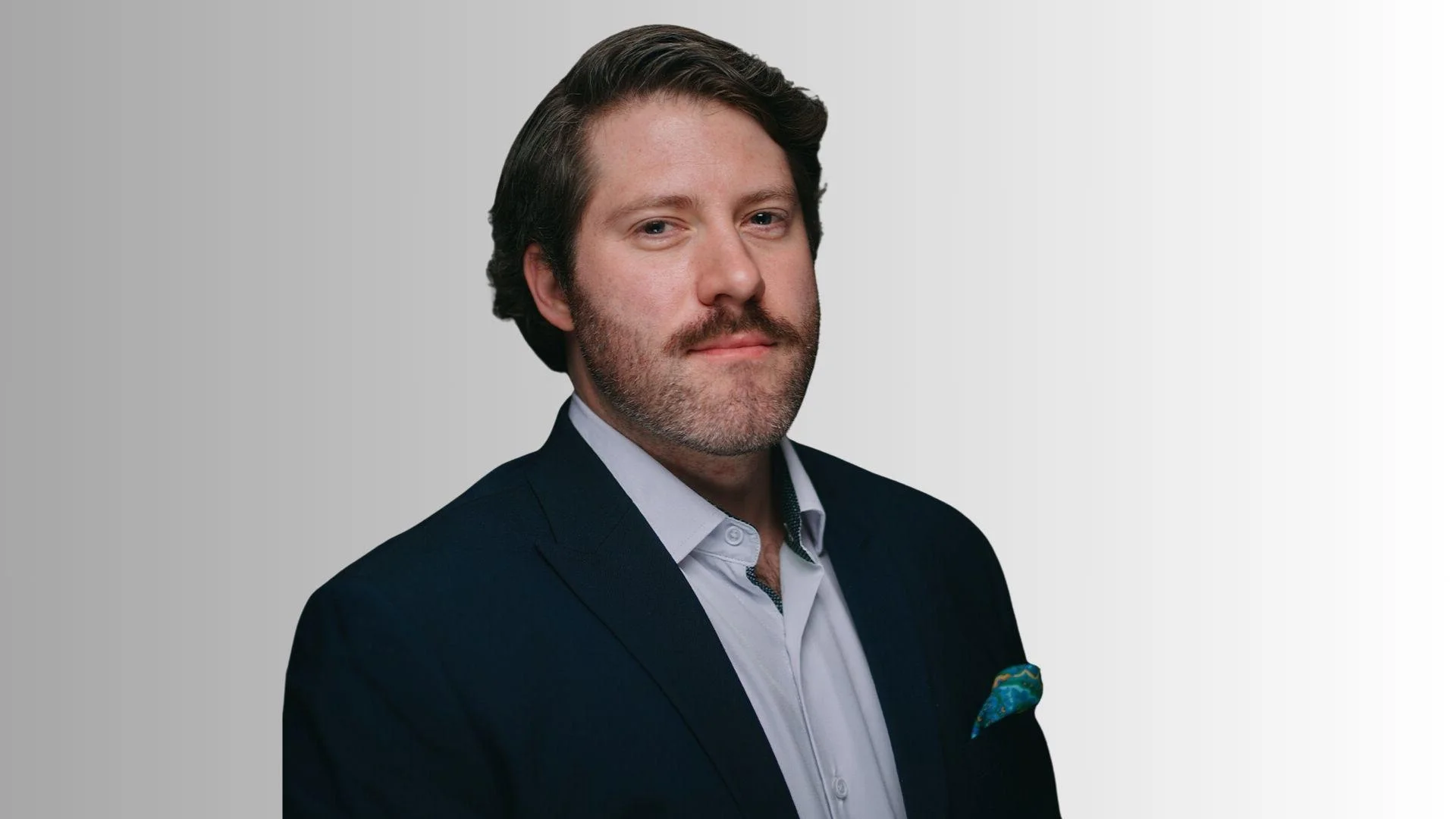
In an op-ed published by DC Journal, Yael Ossowski, deputy director of the Consumer Choice Center, wrote that supporters of the “Make America Healthy Again” (MAHA) movement feel betrayed by Kennedy’s shift supporting policies aligned with President Donald Trump on glyphosate production.
“The real betrayal is not Kennedy’s about-face,” Ossowski wrote. “It is the fear he spent years cultivating among consumers using junk science, helping dubious claims gain credibility in courtrooms and in the public square, all while enriching himself and a narrow class of well-connected lawyers.”
Ossowski said that regulatory agencies including the Environmental Protection Agency have consistently found glyphosate is not likely carcinogenic when used as directed, contrasting that with litigation that resulted in large settlements tied to cancer claims.
He also wrote that courtroom outcomes were driven in part by studies and expert testimony later scrutinized for financial ties to litigation interests, contributing to widespread lawsuits and billions in settlements involving glyphosate-based products.
Kennedy recently told podcaster Joe Rogan that he was “not particular happy with” President Donald Trump’s recent executive order directing federal agencies to support continued access to glyphosate-based herbicides and review regulatory actions affecting domestic pesticide production. The now-U.S. Health Secretary was part of the legal team representing Californian Dewayne Johnson in the first Roundup case to reach trial over the weed killer “Roundup”, which contains glyphosate.
That lawsuit helped launch the nationwide litigation against Monsanto, now owned by Bayer, the manufacturer of the weedkiller, reported The Guardian.
The company would end up paying $11 billion to lawyers representing thousands of clients who claimed Roundup made them sick.
Despite that settlement, Kennedy told Rogan that the $11 billion settlement didn’t change anything.
Glyphosate remains the “foundational pesticide of our food production system,” said Kennedy.
The Roundup cases were largely pursued through contingency-fee arrangements, in which the plaintiffs’ attorneys regularly received 30% to 40% of awards, meaning billions of dollars from the global settlement were allocated to legal fees and litigation costs.
“Most Roundup attorneys work on a contingency fee basis—usually 30–40% of any settlement or trial award,” reported Trivent Legal.
Despite the scale of verdicts and settlements, regulatory agencies have not banned glyphosate in the United States, and, as Kennedy told Rogan, the pesticide remains widely used in agriculture.
Lobbyists on both sides of the great glyphosate debate are now revisiting the role of litigation and “mass torts” in shaping federal health policy.
As lawmakers and regulators consider whether to open up U.S. vaccine manufacturers to mass tort litigation, the glyphosate case shows that litigation can produce large payouts for claimants and attorneys without necessarily reducing a product’s widespread use.
The American Tort Reform Association has released a report called “The Junk Science Playbook,” which argues that letting trial lawyers run wild just enriches them, without solving public policy problems.
The ATRA report argues that the National Vaccine Injury Compensation Program (VCIP), which was established by Congress in 1986 under the National Childhood Vaccine Injury Act to provide a no-fault alternative to traditional litigation while maintaining vaccine supply, is a successful, trial lawyer-free model.
The report implores Kennedy not to undermine the VCIP structure, claiming it would lead to another trial lawyer feeding frenzy.
“As HHS Secretary, RFK Jr. is spouting the same junk science theories to make nationwide policy decisions that trial lawyers have used in courtrooms for years,” said Lauren Sheets Jarrell, vice president and counsel for civil justice policy at the American Tort Reform Association (ATRA), reported DC Newsline.
In an Inside Health Policy interview published Jan. 12, plaintiffs’ attorney Aaron Siri, a Kennedy campaign advisor, said that he anticipates Kennedy will seek to change VCIP.
Kennedy “will amend the federal Vaccine Injury Table to remove vaccines that are no longer routinely recommended, which would open manufacturers to standard product-liability lawsuits, allowing injured patients to sue vaccine makers like any other company accused of failing to make a product safer or warn of known harms,” Siri said.
An anti-litigation group predicted this would lead to bankruptcies of U.S. vaccine makers.
“The main danger with proposed changes affecting the Vaccine Injury Table is that they would bring back the pre-VICP status quo of nonstop litigation that bankrupted vaccine manufacturers and disrupted supplies,” Ross Marchand, executive director of the Taxpayers Protection Alliance, told Patient Daily.

