
The leader of an organization espousing government accountability for taxpayers is warning that lawsuits against vaccine makers threaten to destroy private incentives to make them.
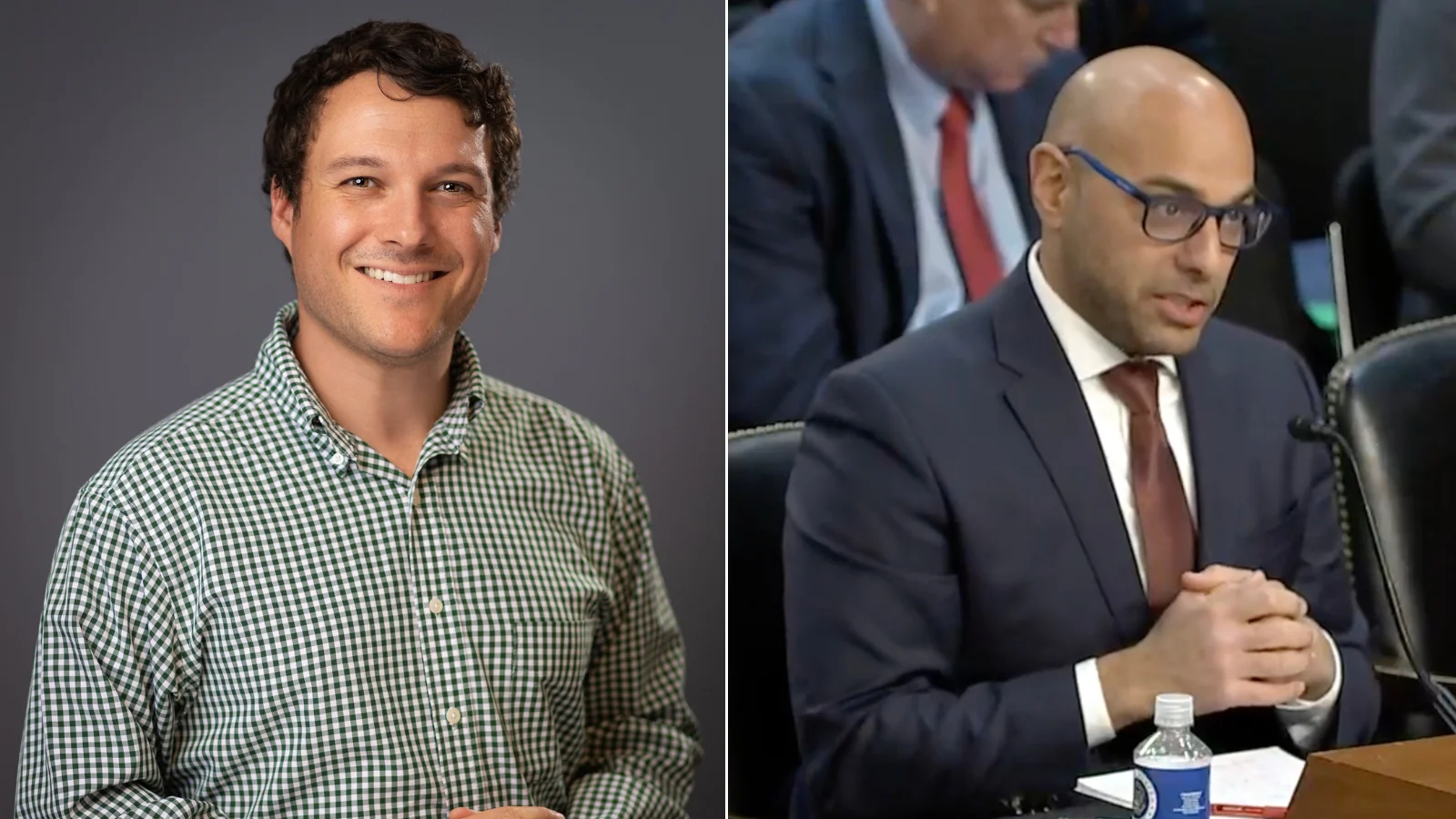
Ross Marchand, executive director of the Taxpayers Protection Alliance (TPA), said proposed changes affecting federal vaccine liability protections could disrupt supply and discourage innovation.
Marchand was responding to remarks by plaintiffs’ attorney Aaron Siri about potential revisions to the National Vaccine Injury Compensation Program (VICP), which provides taxpayer compensation to those injured by vaccines.
“The main danger with proposed changes affecting the Vaccine Injury Table is that they would bring back the pre-VICP status quo of nonstop litigation that bankrupted vaccine manufacturers and disrupted supplies,” Marchand told Patient Daily. “While it's easy to only focus on regulations coming from the executive branch—especially after the recent FDA fiasco involving Moderna's mRNA flu vaccine—out-of-control litigation is basically regulation by the judiciary.”
“If every vaccine maker is sued out of existence, there will be zero incentive to bring new products to market,” said Marchand. “That's terrible for patients and sets an awful precedent for other industries, which have benefitted from various tort reforms that have made it easier to do business. Lawmakers should maintain liability protections and keep American innovation moving forward.”
TPA is a nonprofit advocacy organization focused on fiscal policy, regulatory oversight and government accountability. The group frequently weighs in on federal liability frameworks and regulatory matters affecting market competition and taxpayer exposure.
Siri told Inside Health Policy in an interview published Jan. 12 that he anticipates U.S. Health and Human Services Secretary Robert F. Kennedy, Jr. “will amend the federal Vaccine Injury Table to remove vaccines that are no longer routinely recommended, which would open manufacturers to standard product-liability lawsuits, allowing injured patients to sue vaccine makers like any other company accused of failing to make a product safer or warn of known harms.”
“Once the Vaccine Injury Table is amended to remove the vaccines that are no longer routinely recommended, every attorney in the country will be able to handle vaccine injury claims in the same manner as injury claims from any other product,” Siri said, reported Inside Health Policy.
The National Vaccine Injury Compensation Program was established by Congress in 1986 under the National Childhood Vaccine Injury Act. According to the U.S. Health Resources and Services Administration, which administers the program, VICP was created in response to vaccine supply instability and rising litigation in the 1980s and provides a no-fault alternative to traditional tort litigation while shielding manufacturers from most direct liability claims.
Siri is managing partner of Siri & Glimstad LLP. He also “represented Robert F. Kennedy, Jr. during his presidential campaign,” reported Fortune in Dec. 2024, and “is now helping him (Kennedy) interview and choose candidates to fill the Health and Human Services Department.
In Dec. 2025, Siri led a “sweeping” presentation before the CDC’s Advisory Committee on Immunization Practices (ACIP), reported STAT. ACIP is the federal advisory panel that develops recommendations on the use of vaccines in the United States, which are then reviewed and adopted by the Centers for Disease Control and Prevention (CDC). STAT described Siri as “an attorney with ties to health secretary Robert F. Kennedy Jr.”
U.S. Sen. Bill Cassidy (R-La.), a medical doctor, questioned Siri's presentation at the ACIP meeting.
"Aaron Siri is a trial attorney who makes his living suing vaccine manufacturers," Cassidy posted on X. "He is presenting as if he is an expert on childhood vaccines."
"The ACIP is totally discredited," wrote Cassidy. "They are not protecting children.”
The ACIP meeting also drew comments from health care associations..
In a joint statement, the American Academy of Pediatrics and other medical and patient advocacy groups said, “This is a significant departure from the historic role ACIP has played in shaping vaccine policy in the United States.”
“Previously, we could expect science to drive decisions, experts to debate evidence, and consensus to lead to shared, clear recommendations,” said the statement. “That is not the case with the current committee, and this change puts Americans’ health at risk.”

