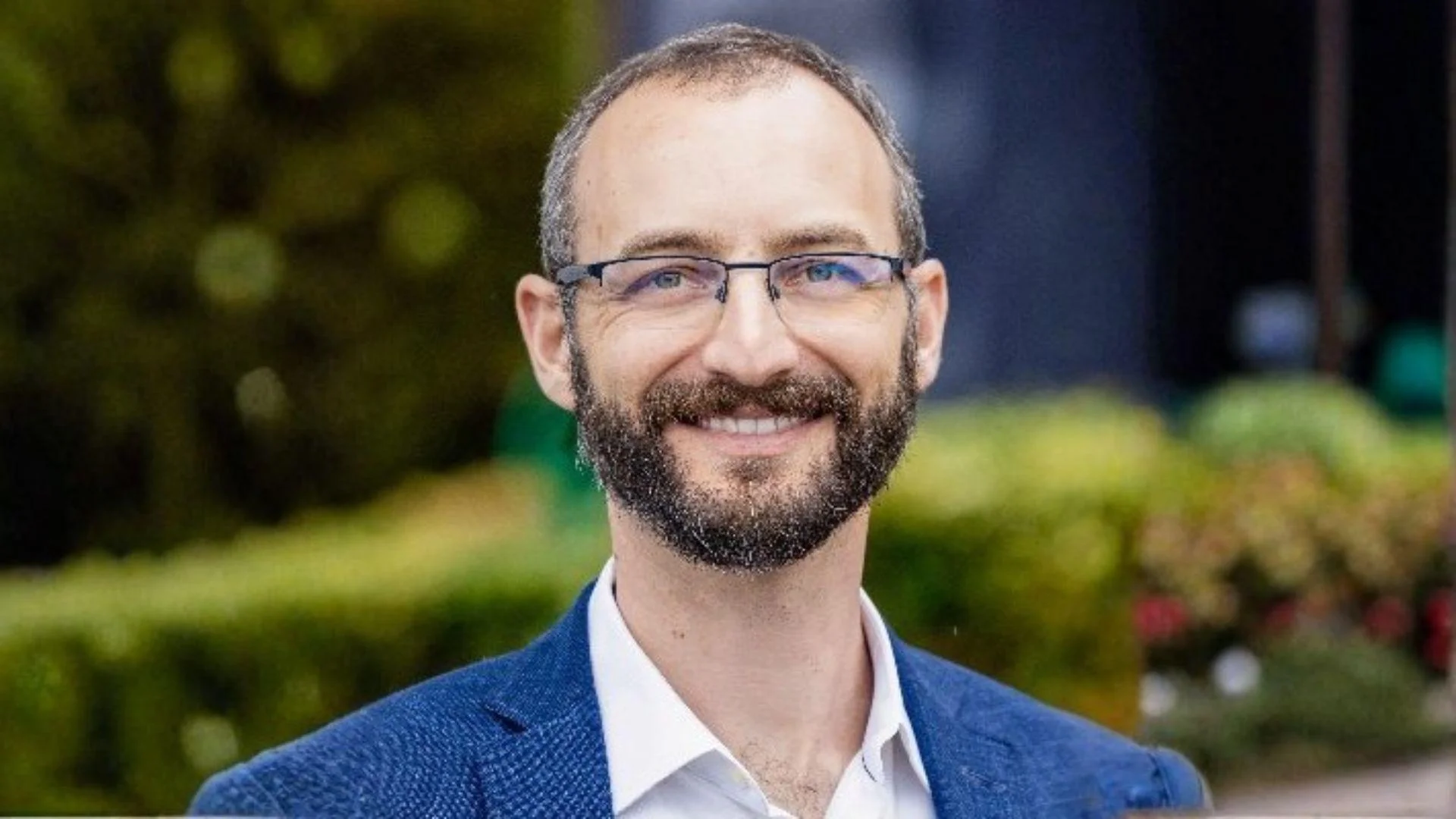

On Feb. 18, Anthony DiGiorgio, Assistant Professor of Neurological Surgery at the University of California San Francisco, said that Medicare can be stabilized without cutting benefits by enacting site-neutral payments and reforming the 340B drug discount program. DiGiorgio argued that these changes could generate significant savings while preserving services and access for patients.
The topic is significant as policymakers seek ways to address rising healthcare costs without reducing coverage or restricting care. "Site neutral payment reform and fixing the 340B program would save roughly $300 billion over the next decade without eliminating services or restricting access," DiGiorgio said on X. "Then go further. Repeal outdated Stark restrictions. Lift the ban on physician owned hospitals. Reform certificate of need laws. Let doctors and entrepreneurs compete with consolidated hospital systems instead of protecting monopolies."
"When you increase competition in healthcare delivery, prices fall and service improves," DiGiorgio added. "That is how markets work in every other sector of the economy. These changes would also spill over into Medicaid, reducing federal and state spending while improving options for low income patients. There is enormous room to strengthen these programs financially while improving care for the people who rely on them."
Independent analyses support claims about potential savings from site-neutral payment reforms. The Blue Cross Blue Shield Association estimates that Medicare could save about $202 billion over ten years under broad site-neutral payment policies, with additional reductions in beneficiary premiums and cost-sharing.
The 340B drug discount program was created in 1992 to help safety-net providers stretch federal resources but has since expanded beyond its original scope. Peer-reviewed commentary notes growing evidence that discounts often do not reach low-income or uninsured patients directly and calls for reforms tying revenues to measurable patient benefit. Congressional oversight has also highlighted rapid growth in the program; a 2025 Senate HELP report found that 340B drug purchases reached a record $66.3 billion in 2023 amid concerns about transparency and rising fees from contract pharmacies.
In calendar year 2024, covered entities purchased $81.4 billion in outpatient drugs under the 340B program, according to HRSA data. These purchases are heavily financed through payers including Medicare and Medicaid, meaning taxpayers bear much of the cost when discounts are not shared at the point of sale—amplifying calls for greater transparency on how savings are used.
DiGiorgio is a practicing neurosurgeon and health-policy researcher at UCSF who testified before Congress on June 4, 2024 regarding design, growth, and reform options for the 340B program, according to congressional records.

