
Researchers from the University of Oxford and the Muhimbili University of Health and Allied Sciences (MUHAS) in Dar es Salaam, Tanzania announced on Mar. 19 that a minimally invasive "liquid biopsy" test can rapidly and accurately diagnose Burkitt lymphoma in sub-Saharan Africa. The findings were published in Nature Medicine.
Burkitt lymphoma is an aggressive cancer that is often curable if treated quickly, with survival rates over 90%. However, many children in sub-Saharan Africa are diagnosed too late due to limited access to specialist expertise and laboratory equipment needed for traditional diagnostic tests. In some areas, survival rates fall below 50%.
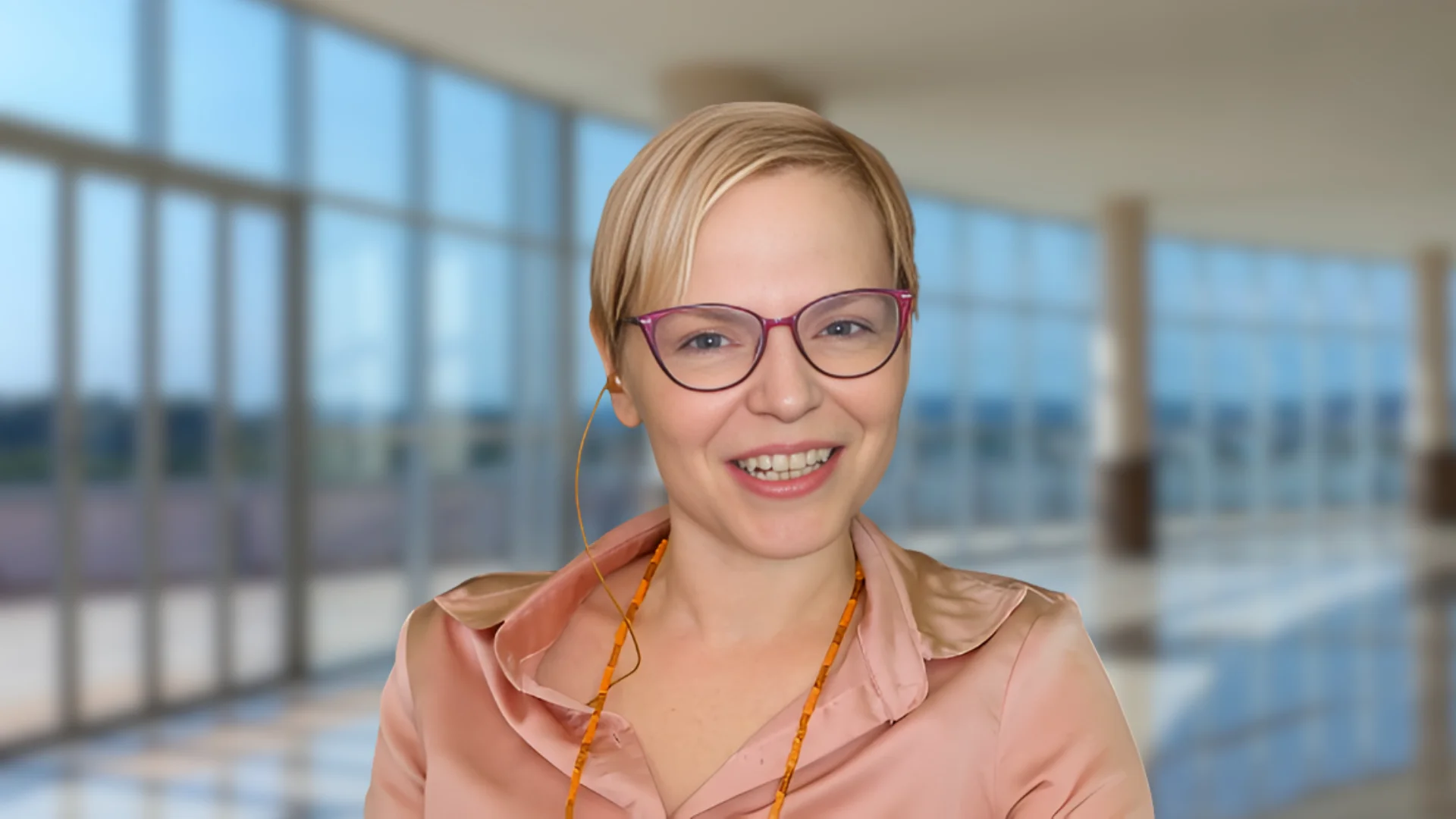
"There is an urgent need for new diagnostic methods that are practical and effective in the under-resourced settings where Burkitt lymphoma is most common," said Anna Schuh, Professor of Molecular Diagnostics at the University of Oxford and lead researcher on the study. "This is a highly treatable cancer, yet too many children and young adults are not diagnosed in time. As a minimally invasive and precise approach, liquid biopsy tests have enormous potential to transform diagnosis in sub-Saharan Africa and significantly improve outcomes."
The research team developed a blood test that detects DNA released by cancer cells into the bloodstream. This allows scientists to identify genetic changes specific to Burkitt lymphoma using only a blood sample. The test was evaluated among children and young adults showing signs of lymphoma at four hospitals in Uganda and Tanzania. Compared with tissue biopsies, the liquid biopsy achieved an overall accuracy of 98%, correctly identifying 86.4% of patients with confirmed Burkitt lymphoma.
The study found that using liquid biopsy reduced diagnosis time by more than 40 days compared to tissue biopsies alone. Clara Chamba, Head of Haematology at MUHAS and study author said: "Introducing liquid biopsy into our multidisciplinary meetings transformed how quickly we could start treating our patients. With liquid biopsy, 93% of cases were diagnosed within the first week of sample collection, compared to just 40% when we relied on tissue biopsy alone. For a cancer that progresses as quickly as Burkitt lymphoma, that time can be life-saving."
While further work is needed before widespread clinical use, researchers say this approach could help ensure faster treatment for children with Burkitt lymphoma where access to traditional diagnostics is limited or delayed.
Prof. Bruno Sunguya, Deputy Vice Chancellor for Research and Consultancy at MUHAS said: "The successful implementation and analytical work conducted in Tanzania and Uganda demonstrates that precision medicine research can and should be led from within low- and middle-income countries. Beyond lymphoma, this work opens new opportunities to apply genomic and liquid biopsy technologies to strengthen cancer diagnosis and improve outcomes more broadly across the region. This collaboration reaffirms our commitment to advancing innovation, accelerating timely diagnosis, and improving survival for children and adults affected by cancer."



