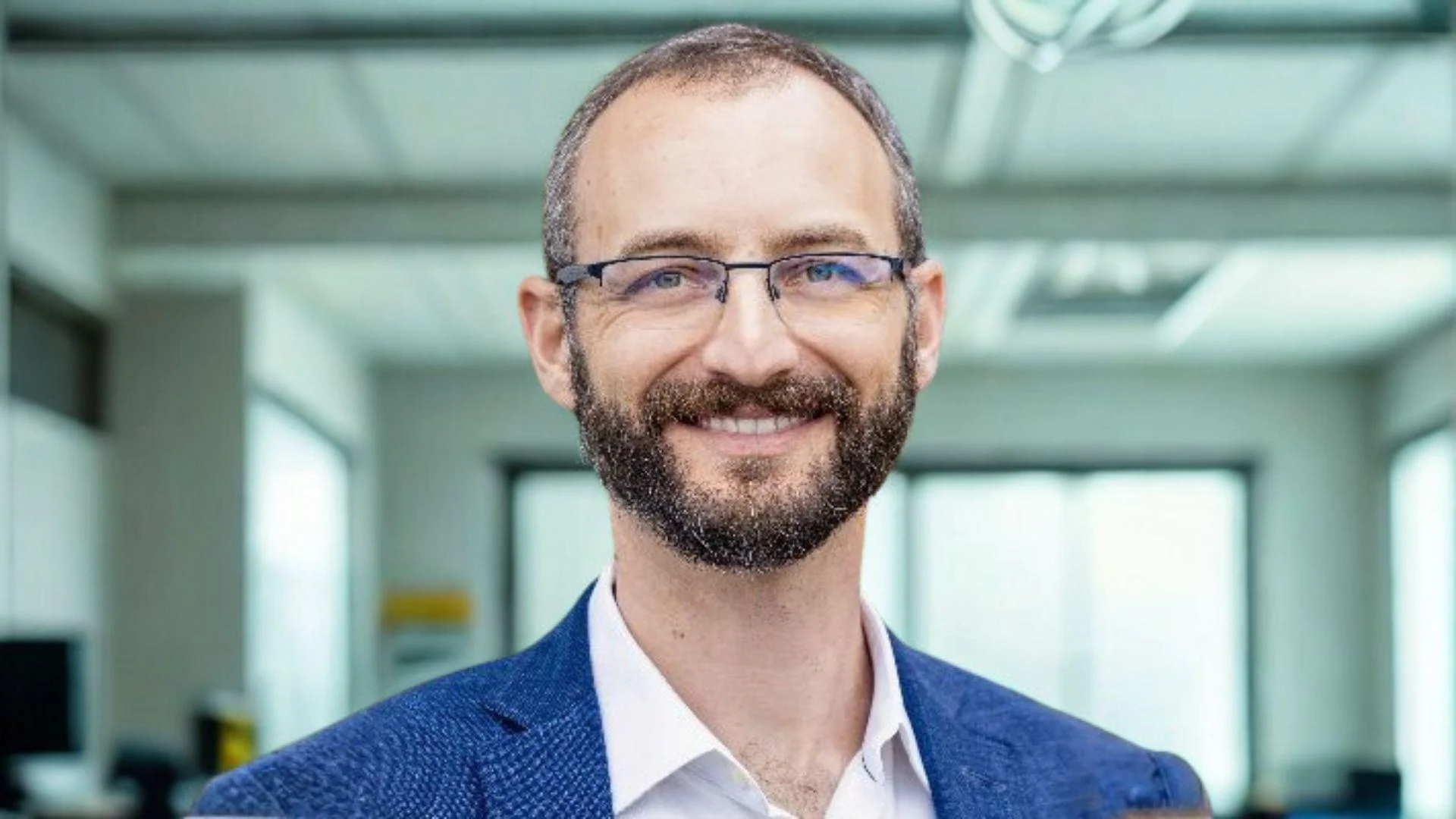

Anthony DiGiorgio, an assistant professor at the University of California, San Francisco, said on X that the 340B program increases costs for taxpayers and raises health insurance expenses overall.
The 340B Drug Pricing Program has come under scrutiny for its impact on both taxpayers and the cost of health insurance. The program was created by Congress in 1992 to help safety-net providers serve more uninsured and low-income patients. Drug manufacturers are required to offer outpatient drugs at substantial discounts to eligible covered entities such as certain hospitals and clinics. These entities purchase the medicines at reduced rates but can bill private insurance companies and government payers the full market price, thereby generating revenue from the discounts. The program was designed to stretch scarce resources for vulnerable populations, according to Anthony DiGiorgio's remarks on X.
Large hospital systems participating in 340B reported nearly 50 percent higher patient revenue than non-participants in Michigan, according to the Mackinac Center. They provided more than 30 percent less charity care. The majority of savings went toward financial assets and investments rather than expanded patient services. Many covered entities earn substantial profits from the discounts while charity care levels remain low relative to revenue gains.
Participating hospitals earned $44.1 billion in 340B profit in 2022 as reported by 340B Reform. They reported only $18.5 billion in charity care costs during the same period. Eighty-five percent of disproportionate share hospitals generated more profit from the program than they spent on charity care combined. The data shows the discounts increasingly function as a revenue stream for large health systems instead of direct patient support.
For every ten dollars in 340B profit collected, the most profitable hospitals invest only about one dollar in charity care according to PhRMA. The program has expanded dramatically with total discounted purchases in the tens of billions annually. Charity care at 340B hospitals often falls below levels seen at non-participating facilities, with large systems directing much of the benefit toward building financial reserves and operational growth.
DiGiorgio is an assistant professor in the Department of Neurological Surgery at UCSF who specializes in treating traumatic brain and spinal cord injuries while also examining health care policy issues, according to his university profile.

