
A new study led by University College London researchers reports on Mar. 11 that six out of ten older people in England see climate change as a serious risk, while only about one in seventeen are dismissive of concerns about the issue.
The findings highlight how attitudes toward climate change among those aged 50 and over could play an important role in shaping public policy and preparedness for environmental challenges. The study suggests that most older adults are either highly engaged or engaged with the risks posed by climate change, which may influence both their personal actions and broader societal responses.
The research, published in The Journals of Gerontology, Series B: Psychological Sciences and Social Sciences, analyzed survey responses from 6,572 people aged 50 and above. Participants were asked to rate their agreement with statements about climate change. The results showed that 30% were highly engaged and another 31% were engaged with the risks. About 22% were ambivalent or uncertain, while smaller groups identified as risk-aware but fatalistic (11%) or dismissive (5.8%).
Age differences emerged within the data: those in their fifties were more likely to be highly engaged, whereas respondents in their seventies and older tended to be aware of the risks but felt it was too late to act. Socioeconomic factors also played a role; individuals who were better off financially, more educated, and socially active were more likely to be concerned about climate change. In contrast, those experiencing financial strain or with lower education levels tended to be less certain or ambivalent.
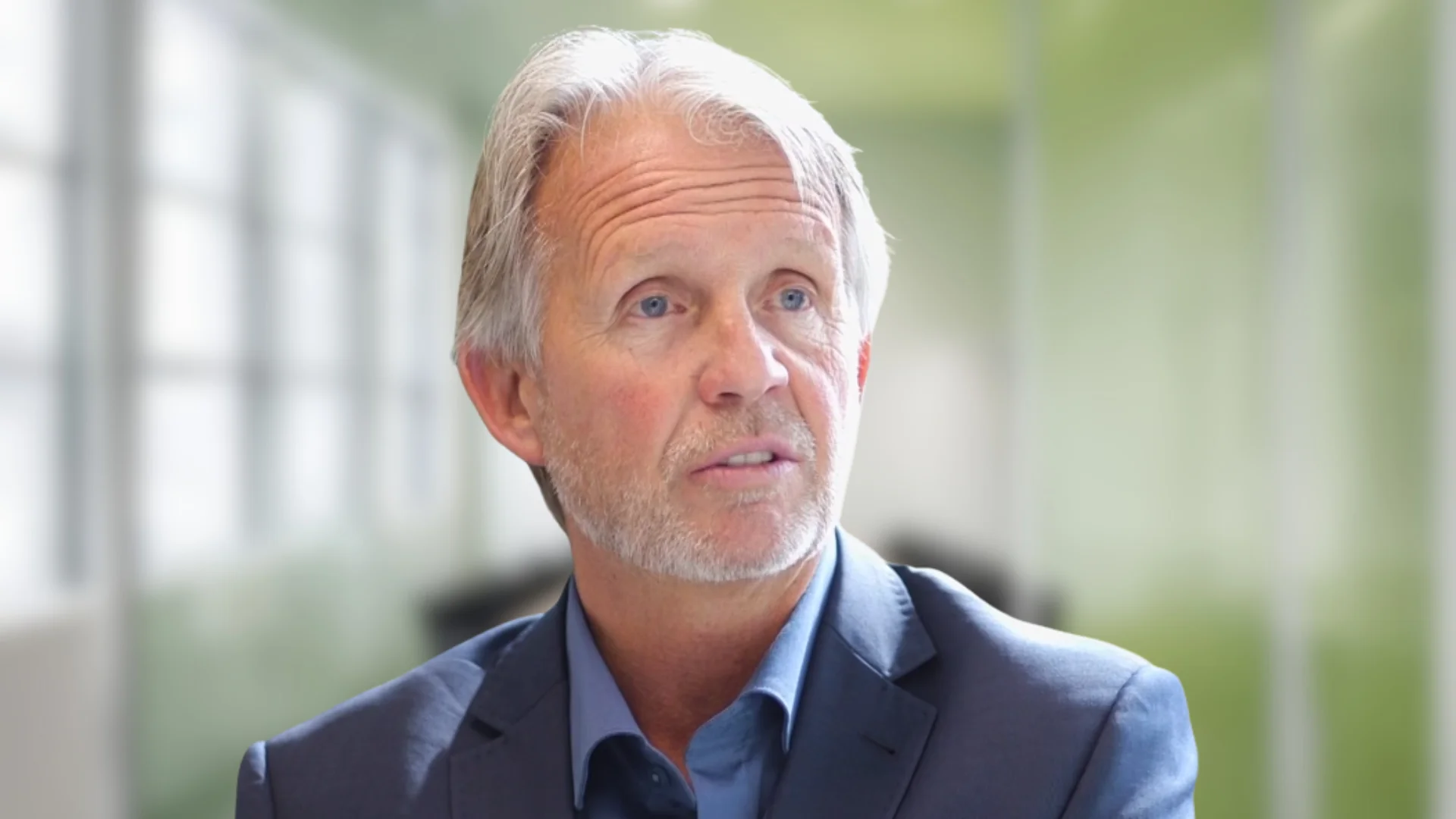
Senior author Professor Paola Zaninotto of UCL Institute of Epidemiology & Health Care said: "Our study is the first to explore older people's views of climate change risk in England. Older people, especially those in the oldest age groups, are more vulnerable to climate change-related events such as flooding and heatwaves, and we found that those who are more engaged with climate change tend to be better informed and more prepared for these events.
"At the same time, older adults are not only affected by climate change, they can also shape the response to it. They are a group with high levels of political participation and therefore have significant potential to influence climate policies and outcomes." Zaninotto said.
The research used data from the English Longitudinal Study of Ageing collected during 2023-24. It was supported by funding from the National Institute on Aging of the National Institutes of Health (NIH) and the National Institute for Health and Care Research (NIHR).



