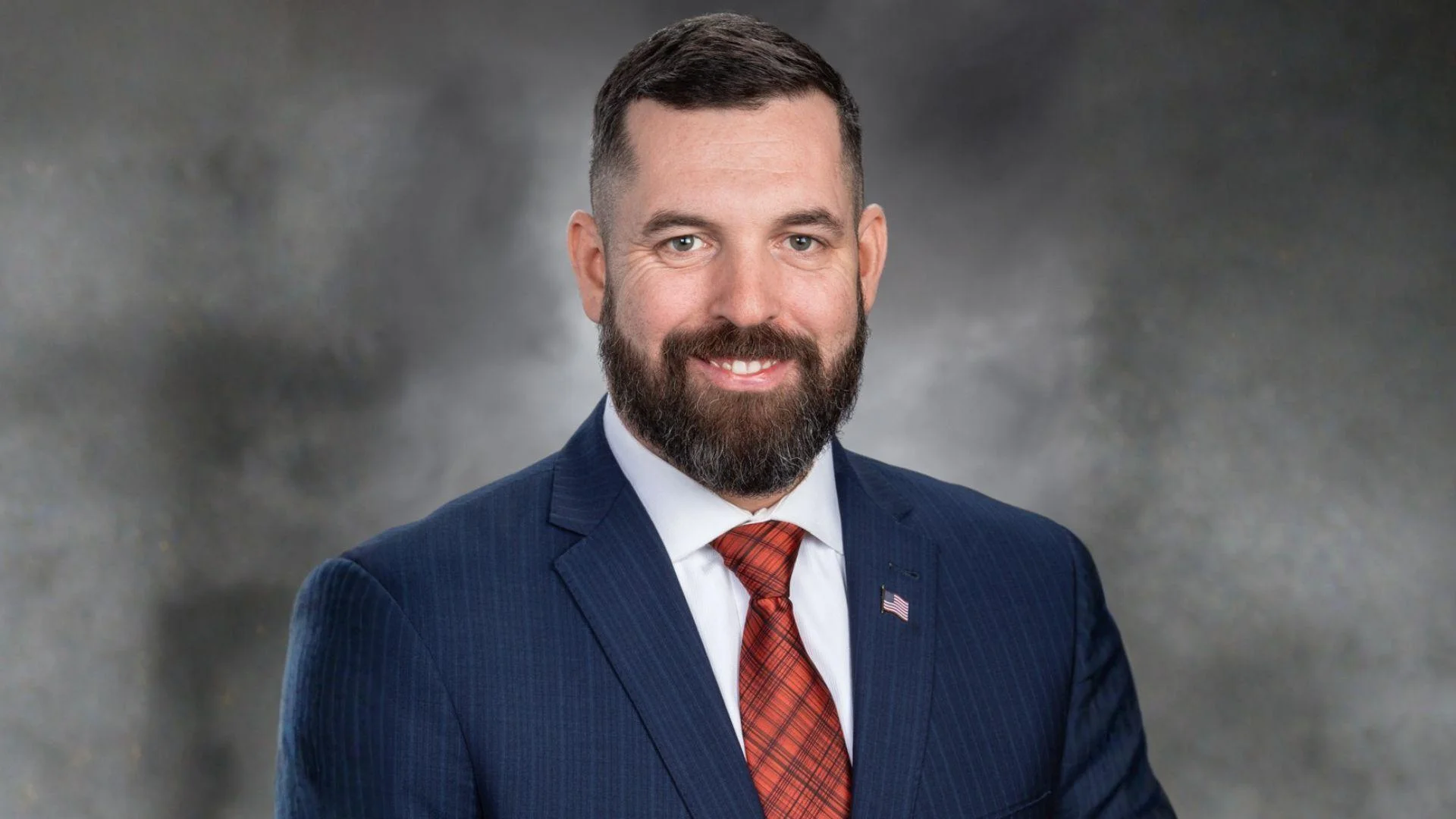

Rep. Matt Marshall of the Washington State House of Representatives said on March 9 that any further expansion of the federal 340B Drug Pricing Program should be accompanied by stronger transparency and accountability measures to ensure it serves its intended beneficiaries.
The issue centers on whether the program, which allows hospitals to purchase drugs at steep discounts, is actually helping low-income and rural patients or primarily benefiting large urban health systems. Marshall said, "The problem is that the program is not consistently serving the people it was intended to help; it’s already growing at a staggering pace, and further expansion could increase health care costs. Much of the program’s financial benefits are concentrated among large urban health systems, capturing significant 340B revenue. At the same time, smaller rural hospitals continue to struggle to maintain services and keep their doors open. There is no requirement that 340B discounts be passed directly to low-income patients. Once a hospital qualifies to participate in the program, it can use the discounted drug pricing for any eligible patient, regardless of income. Hospitals argue that revenue generated through the program helps fund uncompensated and charitable care. National analyses have found that some 340B hospitals provide charity care at levels comparable to — or, in some cases, lower than — those of non-340B hospitals," according to Marshall in an op-ed published by AOL.
Created by Congress in 1992, the 340B Drug Pricing Program requires Medicaid-participating manufacturers to sell outpatient drugs at discounted prices to eligible "covered entities," with the Health Resources and Services Administration overseeing the program to help providers stretch scarce resources. However, recent Government Accountability Office reviews warn of persistent vulnerabilities such as duplicate discounts and gaps around contract pharmacies and recommend further actions to strengthen oversight.
Patients often see little savings from the program because providers can buy drugs at a discount but still bill full prices while patients pay their usual copays. For example, a high-priced cancer drug can leave patients with substantial out-of-pocket costs. The rapid growth of contract pharmacies has added as much as $218 million in extra costs in some states, prompting calls for reforms so discounts actually reach patients according to Patients Rising.
The program also raises taxpayer costs through higher Medicare and insurance spending. Purchases topped $81.4 billion in 2024. Spread pricing lets contract pharmacies profit while employers face billions in extra premiums from higher drug costs. Medicare pays more at 340B sites; suggested reforms include banning spread pricing and verifying patient need according to research from USC's Schaeffer Center.
Marshall’s official House page says he is an Army veteran whose service shaped his approach to public office; his legislative identity emphasizes public service and advocacy for his district—a message reflected in his call for reforming how 340B supports rural and underserved communities.

