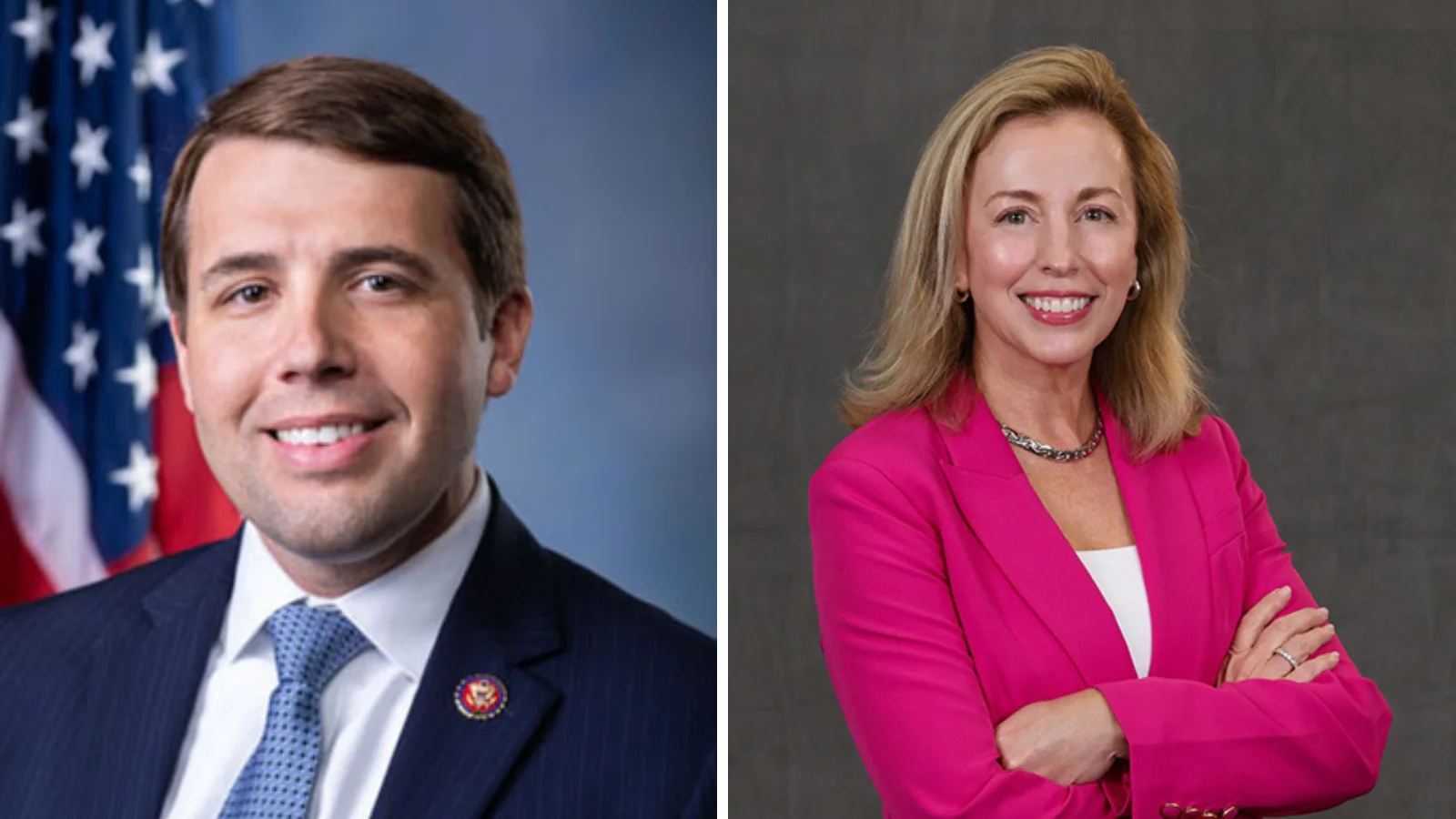

U.S. Rep. Chris Pappas (D-NH-01) said proposed changes to federal student loan rules could make it more difficult for nursing students to finance their education, warning the policy could affect the pipeline of future nurses.
Pappas joined a bipartisan group of more than 150 lawmakers urging the U.S. Department of Education not to move forward with changes that would classify post-baccalaureate nursing degrees as “graduate” programs instead of “professional” degrees, which carry higher federal borrowing limits.
“This will make it harder for nursing students to access the loans they need,” wrote Pappas and the other lawmakers. “Nurses and nurse faculty make up the backbone of our health system, and post-baccalaureate nursing degrees lead to demonstrated outcomes.”
“As such, post-baccalaureate nursing degrees should be treated equally to other accredited post-baccalaureate health profession degrees,” said Pappas.
Last week, Dr. Valerie Fuller, president of the American Association of Nurse Practitioners (AANP), told the Health Policy Podcast the student loan proposal would cap borrowing for graduate nursing students at levels that fall short of education costs and could worsen healthcare workforce shortages.
The proposed rule stems from federal changes to student lending that would take effect July 1, 2026, establishing new annual and lifetime borrowing caps and eliminating the Graduate PLUS loan program, which previously allowed students to borrow up to the full cost of attendance.
“If the proposed rule were to go through starting on July 1, 2026, your loan amount would be capped at $20,500 a year with a $100,000 cap,” said Fuller. “That’s not going to cover the cost of education for all advanced practice nurses. The average nurse practitioner program was somewhere between $100,000 and $129,000, so $20,500 for a whole year isn’t going to get you through three semesters.”
“More than 80,000 qualified nursing students were turned away from nursing programs because of a lack of faculty. We already have a shortage of faculty,” Fuller said. “With lower amounts available to them to go back to get graduate education, the nursing faculty shortage will get worse. We’re going to really kink the pipeline at a time in our nation’s history when we have a shortage of healthcare providers.”
Under the proposal, graduate students would be limited to $20,500 annually and $100,000 total in federal loans, while programs classified as “professional degrees” could qualify for up to $50,000 per year and $200,000 overall.
Graduate nursing programs are not included in the proposed professional-degree category, meaning students pursuing master’s and doctoral nursing education would fall under the lower borrowing limits.
Fuller said advanced practice nurses, including nurse practitioners, require graduate-level education and clinical training to diagnose conditions, prescribe treatment, and deliver primary and specialty care. She said restricting federal loan access could push students toward private borrowing or delay enrollment, affecting the pace at which new providers enter the workforce.

