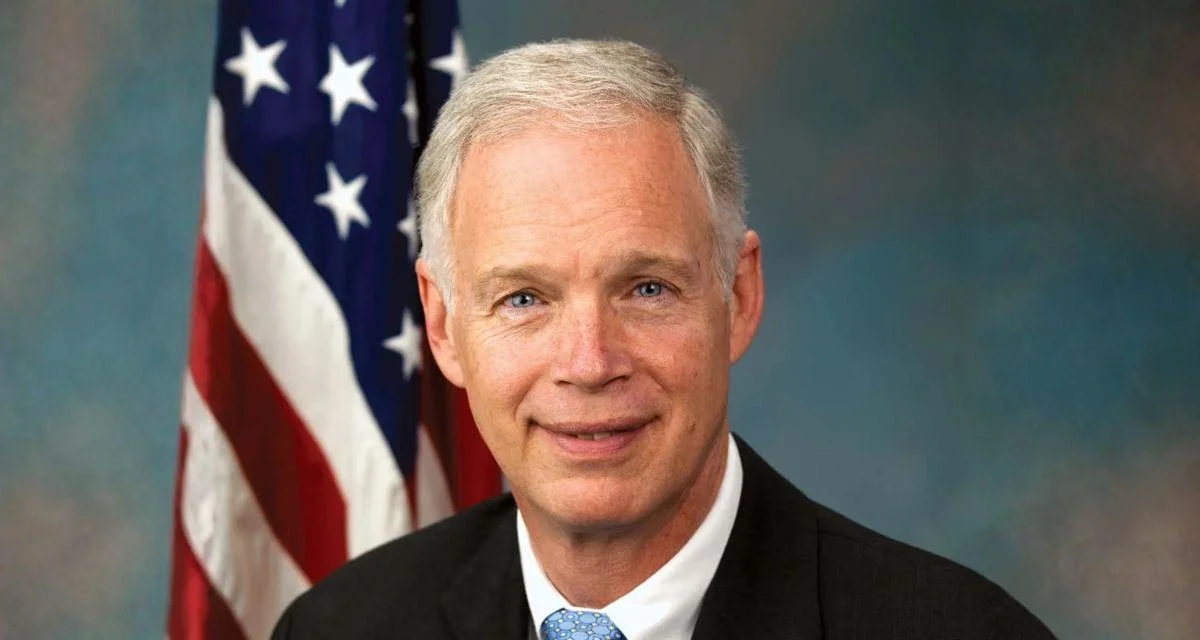

Senator Ron Johnson announced on Mar. 10 an investigation into the United States Food and Drug Administration's recent denials of therapies for rare diseases, following several high-profile rejections over the past year.
The inquiry comes amid growing concern about access to experimental treatments for patients with rare or terminal illnesses. Johnson is seeking complete response letters sent by the FDA to therapy developers in order to understand the reasons behind these decisions. He is also considering calling senior FDA officials, including Commissioner Marty Makary, to testify before the Senate’s Permanent Subcommittee on Investigations, which he chairs.
"The stories are so outrageous," Johnson said. "It just appears that they’re looking for excuses to say no." The senator specifically criticized the FDA's request for a sham surgery–controlled Phase 3 trial before reviewing uniQure's Huntington’s disease gene therapy AMT-130, calling it "bureaucratic idiocy." He added, "You’re expecting people to go through sham surgeries where they get holes drilled in their heads? That’s just unbelievable."
A senior FDA official, later identified as Center for Biologics and Evaluation Director Vinay Prasad, responded that surgeons would only need to "put one to three nicks in the scalp" during such procedures. Industry analysts have noted a trend toward stricter regulation under Prasad's leadership, with H.C. Wainwright analysts stating that "CBER rejected at least five cell and gene therapies that we believe could have received approval under prior FDA officials." They expressed hope that Prasad’s upcoming departure at the end of April might lead to changes in regulatory posture.
Johnson has long advocated for expanded access to experimental therapies and previously said patients should be given “hope and the freedom to try.” Other lawmakers have also raised concerns about FDA processes; Senator Bill Cassidy described the agency’s review process as an unpredictable “black box” in a February report.
A spokesperson from the Department of Health and Human Services defended recent FDA decisions, saying approval and rejection rates remain consistent with historical data. In 2025, the agency approved 56 novel therapeutics, with approval rates under both drug and biologic divisions reportedly within historical norms.



