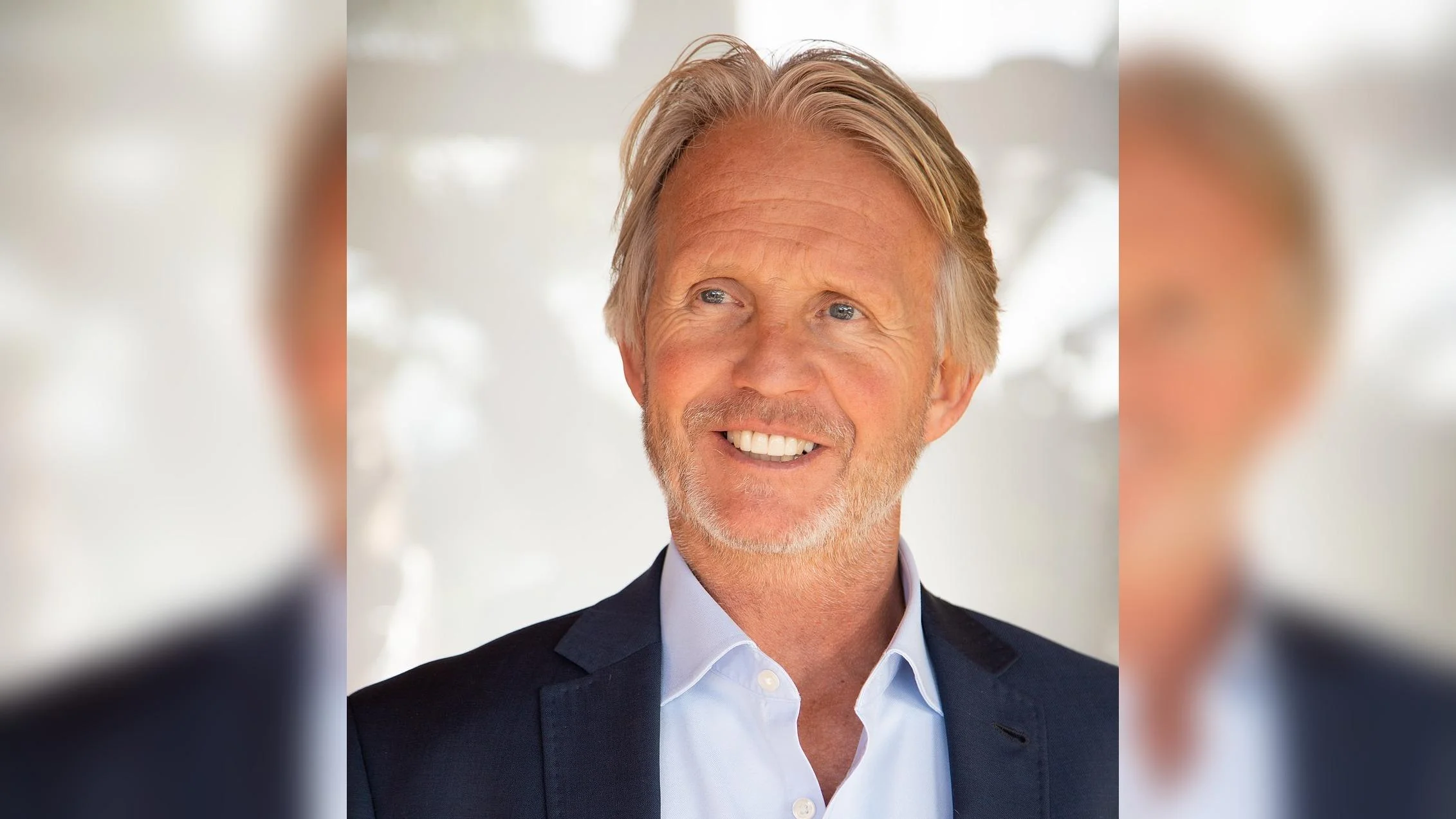

Bill Cassidy, a Republican senator from Louisiana and former liver doctor, is facing challenges to his political career and legacy amid declining vaccination rates in the state. Known for his early efforts to increase hepatitis B vaccinations among schoolchildren and inmates, Cassidy once received national recognition for his work. Holley Galland, a retired doctor who worked with Cassidy, said, "He got that whole generation immunized in East Baton Rouge."
At the same time that Cassidy was promoting vaccines, Robert F. Kennedy Jr., a lawyer and environmental activist, was building an anti-vaccine movement. Two decades later, President Donald Trump nominated Kennedy as the nation's top health official.
A year after Cassidy cast the decisive vote confirming Kennedy’s appointment—a move he made with reservations—Louisiana's public health landscape has shifted. According to research published in JAMA last month, newborn hepatitis B vaccination rates nationwide dropped to 73% by August 2025, down 10 percentage points from February 2023 highs. In December, the Centers for Disease Control and Prevention's Advisory Committee for Immunization Practices (ACIP), restructured under Kennedy’s leadership, rescinded its longstanding recommendation that all newborns receive the vaccine.
In January of this year, Trump endorsed U.S. Rep. Julia Letlow as a challenger to Cassidy in what is expected to be a competitive Republican Senate primary. Letlow entered politics in 2021 after her husband died from covid-19.
Both Cassidy and Letlow declined requests for comment on these developments.
Some Louisiana doctors are expressing concern about increasing risks from vaccine-preventable diseases as statewide promotion of immunizations has diminished. The Louisiana Department of Health stopped advertising vaccines and halted clinics last year when Kennedy took office as health secretary. Communications about ongoing outbreaks have slowed; it took months for officials to announce two infant deaths from whooping cough last year.
"It's so hard to see children get sick from illnesses that they should have never gotten in the first place," said Mikki Bouquet, a pediatrician in Baton Rouge. "You want to just scream into the void of this community over how they failed this child."
Cassidy has expressed regret over these trends: "Families are getting sick and people are dying from vaccine-preventable deaths, and that tragedy needs to stop," he wrote on social media last fall.
As chairman of the Senate's Health, Education, Labor, and Pensions Committee—which oversees federal health agencies—Cassidy has seen little direct engagement with Kennedy since his confirmation; according to Department of Health and Human Services spokesperson Andrew Nixon: "The secretary speaks at a 'regular clip' with Cassidy."
Kennedy’s tenure has seen Louisiana vaccine skeptics elevated within public health institutions. Ralph Abraham—the state surgeon general who ended Louisiana’s vaccine campaign—was appointed deputy director of the CDC before leaving that role earlier this year. Evelyn Griffin replaced Abraham as state surgeon general and joined ACIP at Kennedy’s invitation; she has questioned covid-19 vaccine safety for young patients despite evidence showing serious side effects are rare and vaccines saved millions during the pandemic.
Michael Henderson of Louisiana State University noted Cassidy lacks strong political support within his party on vaccination issues: "There's not a lot of political stakes in doing that in Louisiana if you're a Republican."
Governor Jeff Landry publicly criticized Cassidy after he advocated easier access to covid shots: "Why don't you just leave a prescription for the dangerous Covid shot at your district office and anyone can swing by and get one!" Landry posted online last September.
Doctors like Katie Brown report parents remain wary about vaccinating their children against covid-19 specifically—and sometimes all vaccines generally—since the pandemic began eroding trust in immunizations across much of Louisiana.
Vaccination rates among children have declined since covid-19 emerged; only about 92% of kindergartners statewide have received both recommended doses of measles-mumps-rubella (MMR) vaccine—a level below what scientists say is needed for herd immunity against some diseases.
The New Orleans Health Department responded with its own $100,000 immunization campaign featuring clinics and billboards during flu season but lacks statewide coordination or support elsewhere in Louisiana. Jennifer Avegno leads those efforts: "It's been a blow to not have a statewide coordination," she said.
Pediatricians like Bouquet continue searching for ways to educate hesitant parents without appearing forceful: "We're having to walk on eggshells...to determine how to get that trust back," she said.
Children's Health Defense—the nonprofit formerly led by Kennedy—spread misinformation about vaccines during the pandemic and sued federal agencies over emergency authorizations granted for mRNA-based covid shots.
When Kennedy appeared before Cassidy’s committee as Trump's nominee for health secretary last January, Cassidy described witnessing preventable suffering firsthand: It was "the worst day of my medical career," he told Kennedy directly while recalling an unvaccinated patient needing an emergency liver transplant due to hepatitis B infection. "Because I thought $50 of vaccines could have prevented this all."
Cassidy started his political career as a state senator in 2006 before moving on to Congress; he won election largely thanks to his reputation as both physician and advocate following Hurricane Katrina. However, many Republicans soured on him after he voted to convict Trump during impeachment proceedings related to January 6th events at the Capitol—a decision still affecting his reelection prospects today.
"‘Cassidy has things that are associated with his name: the impeachment vote in 2021,’" Henderson said.
Cassidy says he supported Kennedy’s nomination only after securing assurances there would be no changes made regarding national vaccination policy—but those promises have not been kept since Kennedy assumed office nor has Cassidy publicly challenged him further on it.
Former Texas congressman Michael Burgess commented on Cassidy's visible discomfort with recent policy shifts: "You could hear some of the pain in Sen. Cassidy's voice when he was addressing that the secretary wanted to drop the birth dose of hepatitis B...It was painful...to think about taking this away from the population."
Elizabeth Britton—a retired nurse practitioner who once vaccinated inmates alongside Cassidy—changed her party registration just so she could vote for him again despite frustration over recent developments involving anti-vaccine rhetoric out of Washington D.C.: Watching doubts spread makes her feel “profoundly sad” but mostly worried: “It puts a pit in my stomach because I know the consequences of people not getting the vaccine,” she said.

