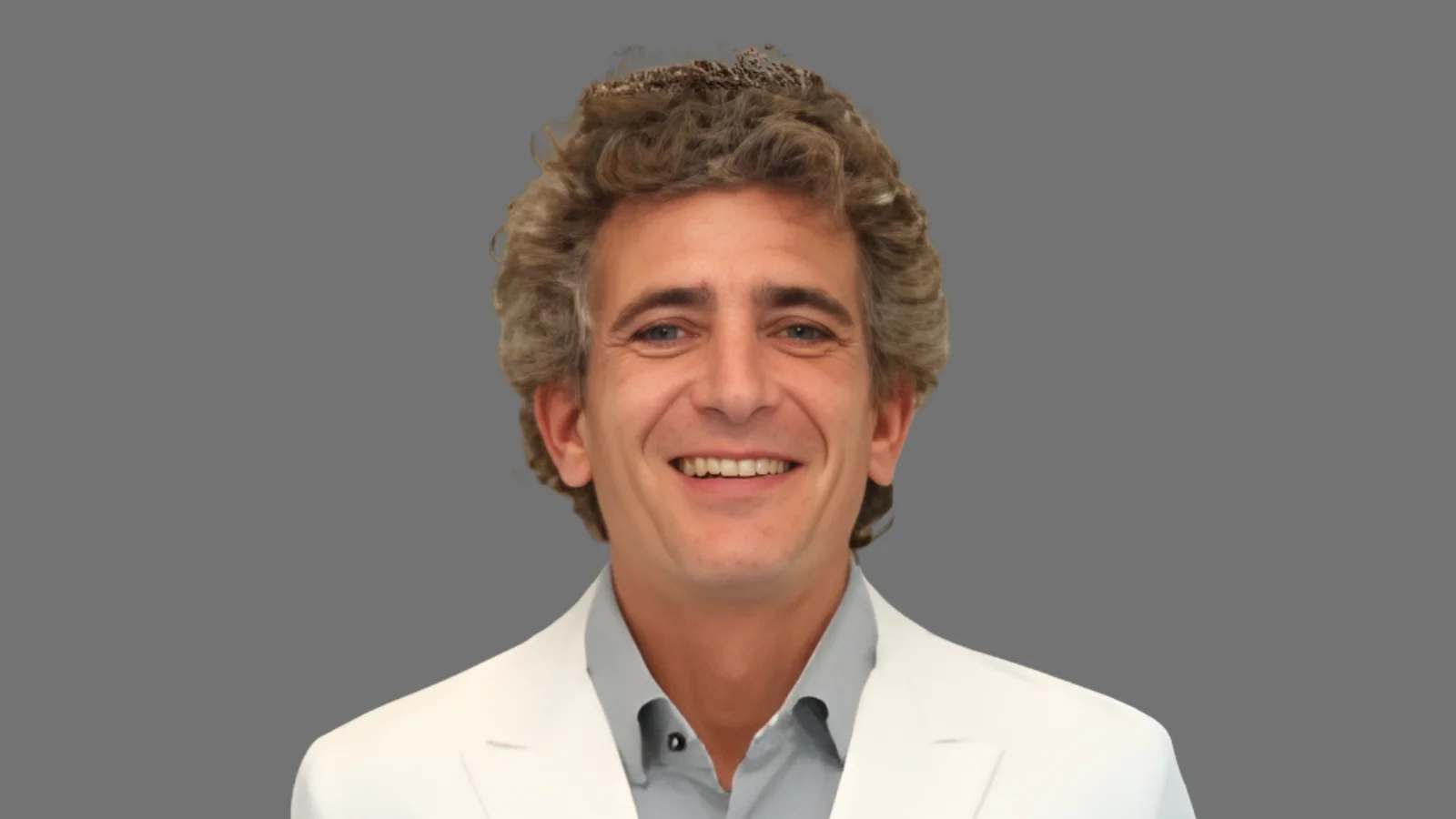

Researchers at the Terasaki Institute, led by Dr. Vadim Jucaud, have developed a new vascularized liver tissueoid-on-a-chip (LToC) platform. This model closely mimics human liver structure and function, enabling more accurate studies of tissue regeneration and immune-mediated rejection after transplantation.
Traditional laboratory models have struggled to replicate the complexity of the human liver, particularly its multicellular organization and dynamic immune interactions. These limitations have hindered research into transplant rejection and tissue repair.
The team at Dr. Jucaud's lab engineered a tissueoid using donor-matched human hepatic progenitor cells and intrahepatic portal vein endothelial cells. Within a week of culture under dynamic perfusion, the tissueoid formed a microvascular network that matured into functional liver-like tissue over 49 days.
The platform maintained tissue viability and vascular integrity throughout the process. It demonstrated active liver functions such as albumin, urea, complement factors, and hepatocyte growth factor secretion. The mature tissueoid contained several types of cells found in native human livers, including hepatocytes, cholangiocytes, Kupffer cells, stellate cells, and endothelial cells.
To test its ability to model immune responses, researchers introduced allogeneic T cells to the mature tissueoid. This triggered classic signs of transplant rejection: decreased viability, disruption of endothelial layers, loss of key liver markers, increased HLA-I expression, and heightened pro-inflammatory cytokine production. Levels of IL-6, TNF-α, IL-1β, IFN-γ, granzyme A/B, and perforin rose in patterns similar to those seen in clinical cases.
"By integrating functional vasculature, multiple liver cell types, and immune responsiveness into a single platform, this system allows us to study transplant biology in a more physiologically meaningful way," said Dr. Vadim Jucaud, Principal Investigator and Assistant Professor at the Terasaki Institute. "This approach has the potential to support immunosuppressive drug evaluation and advance more personalized strategies for liver transplantation."
Dr. Jucaud emphasized that this work builds on Dr. Paul I. Terasaki’s legacy in organ transplantation research with an aim to improve patient outcomes: "Dr. Terasaki believed that meaningful innovation in transplantation must always be driven by its potential to improve patients' lives," he said. "As one of the last doctoral scholars trained by Dr. Paul I. Terasaki, carrying forward his vision through innovative translational science that bridges engineering, immunology, and transplantation holds deep personal significance to me."
The Terasaki Institute continues this mission by focusing on patient-centered technologies as part of Dr. Terasaki's enduring influence on the field.



