
A recent study led by bioengineers at the University of Texas at Dallas has found that colon tissues from younger patients with colorectal cancer are mechanically stiffer than those from older patients with the disease. The research, published in Advanced Science on January 30, indicates that this increased stiffness could create an environment conducive to the development of colorectal cancer in individuals under 50 years old.
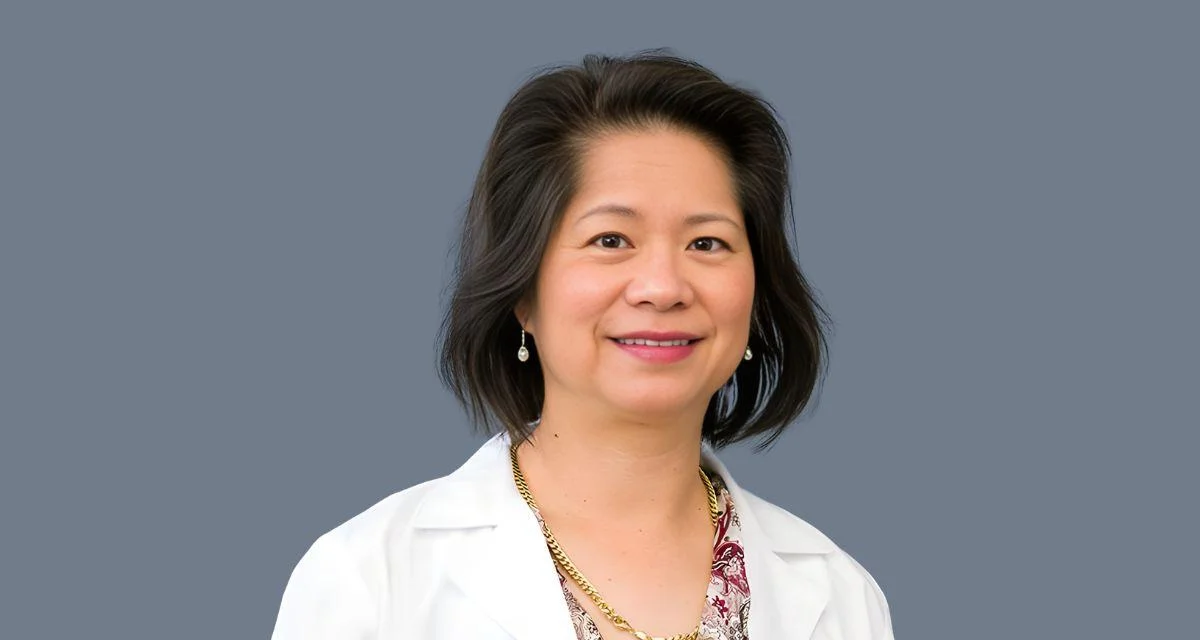
The collaborative study involved researchers from both UT Dallas and UT Southwestern Medical Center (UTSW). Dr. Emina H. Huang, executive vice chair of research for surgery at UTSW and a professor specializing in colorectal cancer, said, "We consider this study a significant advancement toward identifying those at risk of early-onset colorectal cancer and finding new ways to treat them."
Colorectal cancer rates among people under 50 have been increasing over the past three decades. According to the American Cancer Society, it is now the leading cause of cancer death for this age group in the United States.
Dr. Ferruzzi, an expert in biomechanics and mechanobiology at UT Dallas, explained that clinical observations by Dr. Huang inspired their investigation into the physical mechanisms behind early-onset colorectal cancer. "Our team brought an engineering mindset to the table to understand the physical mechanisms involved in early-onset colorectal cancer," Ferruzzi said.
Researchers analyzed tissue samples from patients undergoing surgical resection at UTSW: 19 patients over 50 with average-onset colorectal cancer and 14 patients under 50 with early-onset disease. They used microindention tests—pressing a small probe into tissue to measure resistance—and compression testing, supported by structural and genetic analyses.
Findings showed that both healthy and cancerous tissues from younger patients were not only stiffer but also more fibrotic and rich in collagen compared to samples from older patients. "We know from previous studies that cancers are usually stiffer than normal tissues," Ferruzzi said. "While this was true also in patients with early-onset colorectal cancer, we were surprised to find that both healthy and cancerous tissues from these younger patients were stiffer than those from older patients. This led our team to think that such stiffness could be creating a favorable environment for cancer to develop early in life."
Further experiments demonstrated that when cultured on stiff biomaterials replicating human tissue properties, cancer cells proliferated more aggressively. The team also grew patient-derived organoids—3D microtissues mimicking organs—which confirmed that a stiff environment accelerates tumor cell growth regardless of donor age.
Ferruzzi noted potential implications for prevention and treatment: "If we can understand how physical forces fuel colorectal-cancer progression, then we can actually think about early diagnosis and, possibly, therapy," he said. "More importantly, we can ask the question: How do we stop people from developing cancer that early in life?"
The project included contributions from UT Dallas students Nicole C. Huning BS'24; Victor V. Nguyen; Haider A. Ali BS'24; Adil Khan; Dr. Victor Varner; as well as collaborators from UTSW and Washington University in St. Louis.
Funding came partly through a $125,000 Collaborative Biomedical Research Award from UT Dallas’ Office of Research and Innovation as well as support from several national organizations including the National Institutes of Health (R01CA237304-05, U01CA214300, P30CA142543), Burroughs Wellcome Fund, American Society of Colon & Rectal Surgeons, and UTSW Whole Brain Microscopy Facility.



