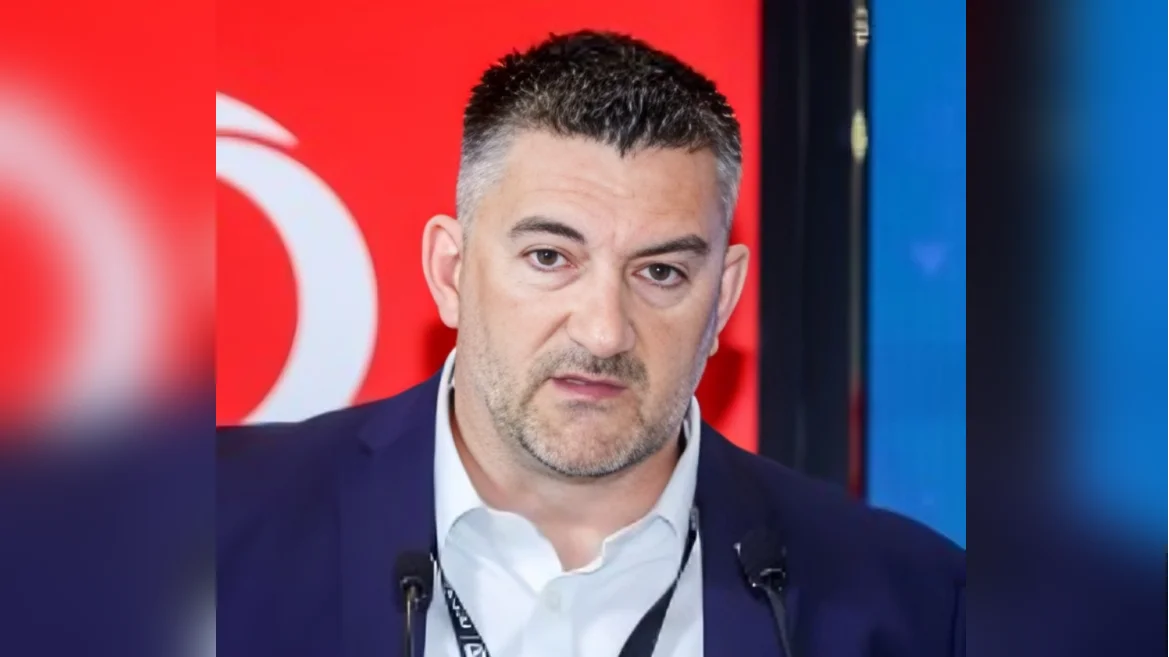

Novartis plans to continue its current acquisition strategy in 2026, aiming to strengthen both its early- and late-stage drug pipelines. CEO Vas Narasimhan stated during a media call presenting the company’s 2025 earnings that there will be no significant change in the company’s approach to mergers and acquisitions.
“There’s really no change in our M&A strategy,” Narasimhan said. “We’ve been really consistent in wanting to build out our early-stage pipeline” with deals in the “sub-$2-billion range.”
Narasimhan also emphasized that Novartis is seeking medicines that could launch within the next five years. In October 2025, Novartis acquired Avidity Biosciences for approximately $12 billion, one of the largest pharmaceutical deals of that year. The company had previously acquired Tourmaline Bio for $1.4 billion and Anthos Therapeutics for $3.1 billion earlier in 2025, adding several mid- to late-stage assets.
Speaking at the J.P. Morgan Healthcare Conference, Ronny Gal, Novartis’ chief dealmaker, explained why the company has not pursued acquisitions of GLP-1 drugs, despite their popularity in obesity treatment: “We really don’t look at the size of the deal,” Narasimhan told reporters. Instead, the focus remains on how potential assets align with Novartis’ broader pipeline goals.
In addition to these major buyouts, Novartis entered into multiple agreements for earlier-stage projects throughout 2025. These included a $5.7 billion partnership with Monte Rosa to develop molecular glue degraders, a $1.7 billion agreement with Relation focused on AI-driven drug design for atopic dermatitis, and a $1.5 billion collaboration with SciNeuro from China for an anti-amyloid antibody targeting Alzheimer’s disease.
Financially, Novartis reported net sales growth of 8% year-on-year at constant currencies in 2025, surpassing $54.5 billion. Its top-selling product was Entresto for heart failure, generating nearly $7.75 billion but showing a slight decrease compared to the previous year.
Growth was led by Kisqali—a breast cancer therapy—which increased sales by 57% year-on-year to reach $4.78 billion; Pluvicto—a prostate cancer radioconjugate—grew by 42% to achieve sales of $1.99 billion; and Scemblix—used for certain types of chronic myeloid leukemia—rose by 85% to reach sales of $1.29 billion.
Novartis expects continued stability and growth into 2026 with net sales projected to rise by a low-single-digit percentage.