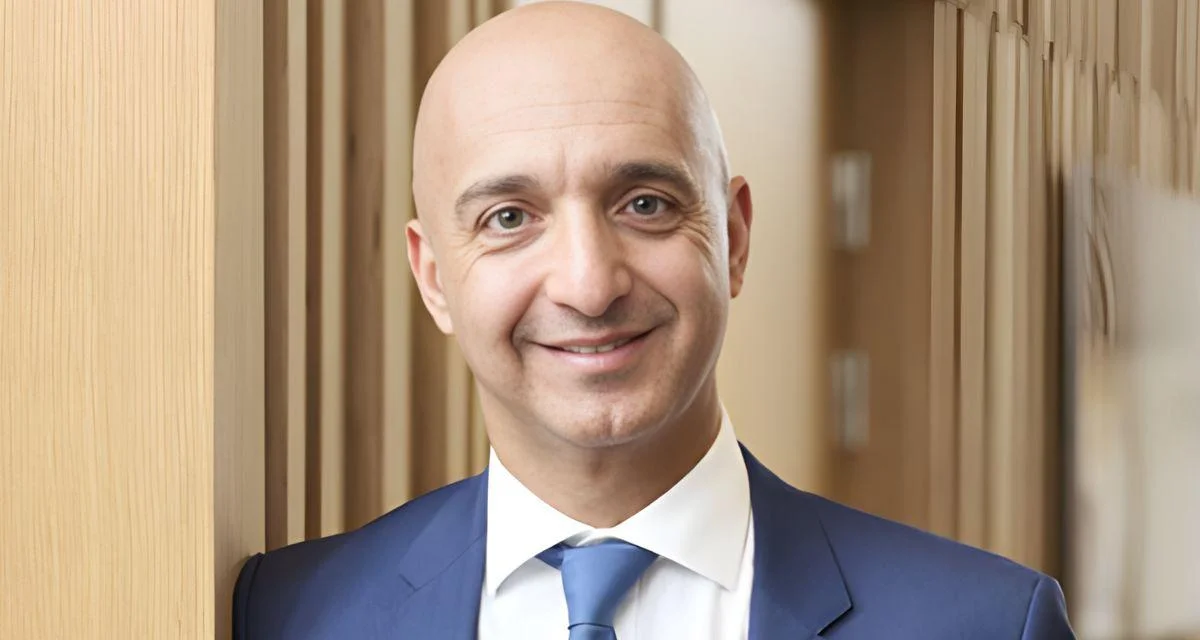

Novo Nordisk announced on Tuesday that it expects a 5% decline in sales for 2026, citing lower drug prices in the United States as a primary factor. CEO Maziar Mike Doustdar described this as a “short term headwind” in a video statement and noted the company is facing a challenging year ahead.
The preview of fourth quarter and full-year results was released unexpectedly, ahead of the official earnings report scheduled for Wednesday morning. While Novo Nordisk surpassed analyst expectations in the fourth quarter, BMO Capital Markets indicated that investor focus has shifted to the company’s reduced outlook for 2026.
Shares of Novo Nordisk dropped 14% to $50.54 on Tuesday afternoon from $58.93 at Monday’s close following the announcement.
Doustdar highlighted ongoing demand for Novo’s GLP-1 products, stating: “It is clear we face a challenging year, but here’s the opportunity. There will soon be 2 billion people globally living with obesity, overweight or diabetes, and our ambition is to serve as many of these people as possible.”
Sales figures show strong performance from key brands: Ozempic exceeded expectations by 9%, generating 32.2 billion DKK ($5 billion) in the fourth quarter and totaling 127.1 billion DKK ($20.1 billion) for the year; Wegovy surpassed projections by 3%, earning 21.9 billion DKK ($3.5 billion) last quarter and reaching 79.1 billion DKK ($12.5 billion) for all of 2025.
Despite these gains, Doustdar attributed upcoming challenges to falling drug prices in the U.S., referencing price reductions announced jointly with Eli Lilly at the White House in November 2025.
BMO Capital Markets wrote that “Following Trump MFN deals and new needed efforts to maintain access in the obesity market, Novo now faces extensive pricing headwinds in the U.S.” The firm also noted that while oral Wegovy’s launch has been positive, difficulties persist within injectables.
Novo received some relief through changes to rebating provisions under the federal 340B Drug Pricing Program, which are expected to add $4.2 billion to sales and operating profit this year. Without this benefit, BMO estimates revenue could fall between 8% and 16%, with operating profit declining by up to 18%.
Investors are expected to seek further details about changes in guidance and future assumptions for GLP-1 products when full earnings are released.
The company remains one of pharma’s top earners; Ozempic was second only to Merck’s Keytruda among best-selling drugs in recent years, even as former leader Humira continues losing ground due to biosimilar competition (https://www.biospace.com/article/10-best-selling-drugs-of-2024-rake-in-billions-amid-exclusivity-threats-/). Broader industry trends show only a few major pharmaceutical companies have signed Most Favored Nation drug pricing agreements with U.S. authorities (https://www.biospace.com/article/despite-mfn-deals-drug-pricing-will-dog-pharma-into-2026/), while smaller firms face continued uncertainty over pricing policy.

