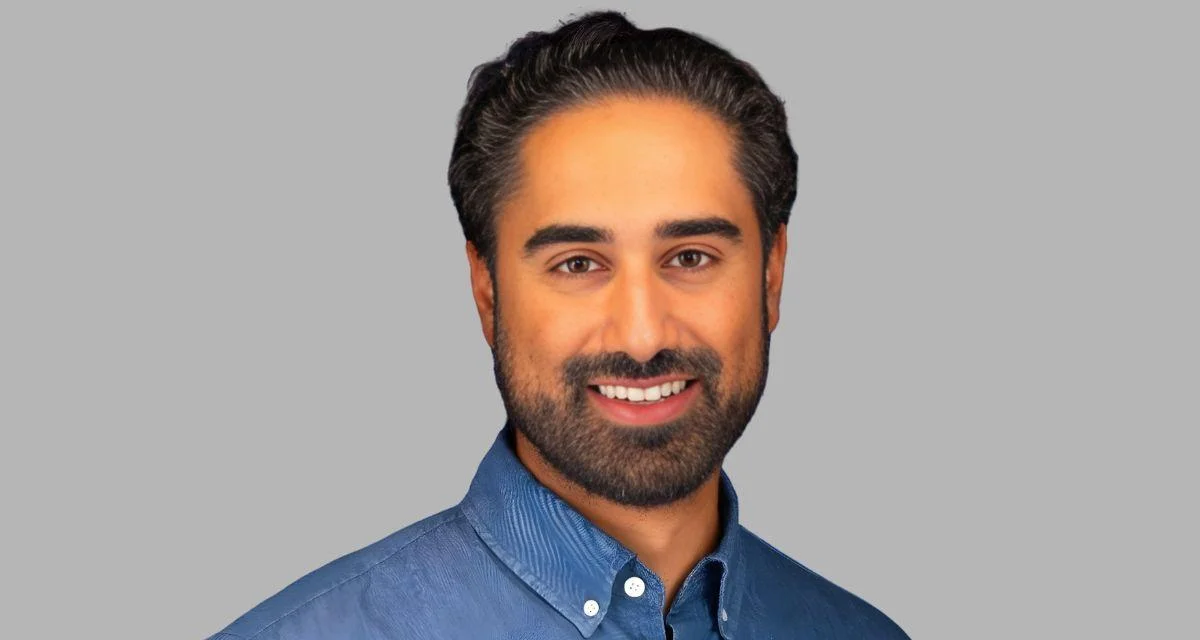

Investors are increasingly examining the backgrounds and skills of founders and CEOs in early-stage biotech companies, according to venture capital (VC) funds at the J.P. Morgan Healthcare Conference in San Francisco.
This trend reflects a recent report from J.P. Morgan, which highlighted that funding for early-stage biotechs became more difficult in 2025. The report pointed out that VC funds, public investors, and large biopharma firms have all made it harder for startups to access capital.
Gurdane Bhutani, managing partner at MBX Capital in New York, observed a "hyper concentration of capital in a small number of firms," leading to investments being focused on fewer companies. He added that while many early VCs exist, they tend to offer smaller investment amounts, increasing competition for follow-on funding rounds.
Anthony DiNatale, Ph.D., vice-president at Agent Capital in Massachusetts, noted that the rise of Chinese assets has heightened scrutiny on management teams and board members who can act quickly.
Lorenzo Pradella, board director at Zcube—the venture arm of Zambon SpA in Italy—emphasized the importance for company leaders to understand both therapeutic development and market entry strategies. "As part of this trajectory, company executives should have a clear understanding of the regulatory pathway," he said.
DiNatale identified several key attributes for founders and CEOs: "Founders and CEOs with a proven track record of successful exits and value creation, and an appreciation for capital-efficient execution to achieve meaningful data and true value inflection, are key attributes." He also asked: “Can they help put the right team in place to execute and give investors confidence that they will deliver?”
Ngang Heok Tang, associate vice president at Bayland Capital in China, agreed that efficiency in generating data and having prior success—such as selling a previous company—are attractive qualities. However, Tang also said young or first-time founders can be good investments if they effectively execute scientific goals and are open to improving their capacity or infrastructure. Bhutani added: “There is no single phenotype for a founder.”
Pradella mentioned that strong intellectual property protection is essential when planning a company's strategy.
The distinction between founder and CEO roles was also discussed. Pradella noted that founders are often scientists while CEOs need broader vision to grow the business. A CEO must manage various responsibilities including intellectual property matters, finance, business development, and team building.
Venture capitalists agreed that sometimes CEOs may not remain with the company throughout its lifecycle; changes might be necessary if new directions or skillsets are required during different stages such as commercialization.
Bhutani concluded: The best founders and companies are “egoless,” meaning they recognize when leadership changes are needed based on fit rather than ego.


