
Biogen is seeking to strengthen its position in the Alzheimer’s disease market following the U.S. launches of anti-amyloid therapies Leqembi and Kisunla. At the J.P. Morgan Healthcare Conference, Biogen discussed its plans for further growth, drawing attention from industry analysts.
BMO Capital Markets noted that Leqembi was a central topic during Biogen's analyst breakfast at the conference. The firm highlighted interest in how Leqembi could continue expanding in 2026 and observed that Biogen now shares the Alzheimer’s therapy market with Eli Lilly’s Kisunla, approved by regulators in July 2024. According to BMO, patient adherence to Leqembi has been "surprisingly high."
A potential new avenue for growth is a subcutaneous induction dose of Leqembi. The FDA approved a subcutaneous maintenance formulation called Leqembi Iqlick in September of last year for patients treated with the drug for 18 months. “Induction subQ dosing could be one of the more underappreciated opportunities for Leqembi, with potential approval positioning the product with a clear advantage over Kisunla which remains only available via IV,” BMO wrote. Biogen has submitted this new induction formulation for regulatory approval.
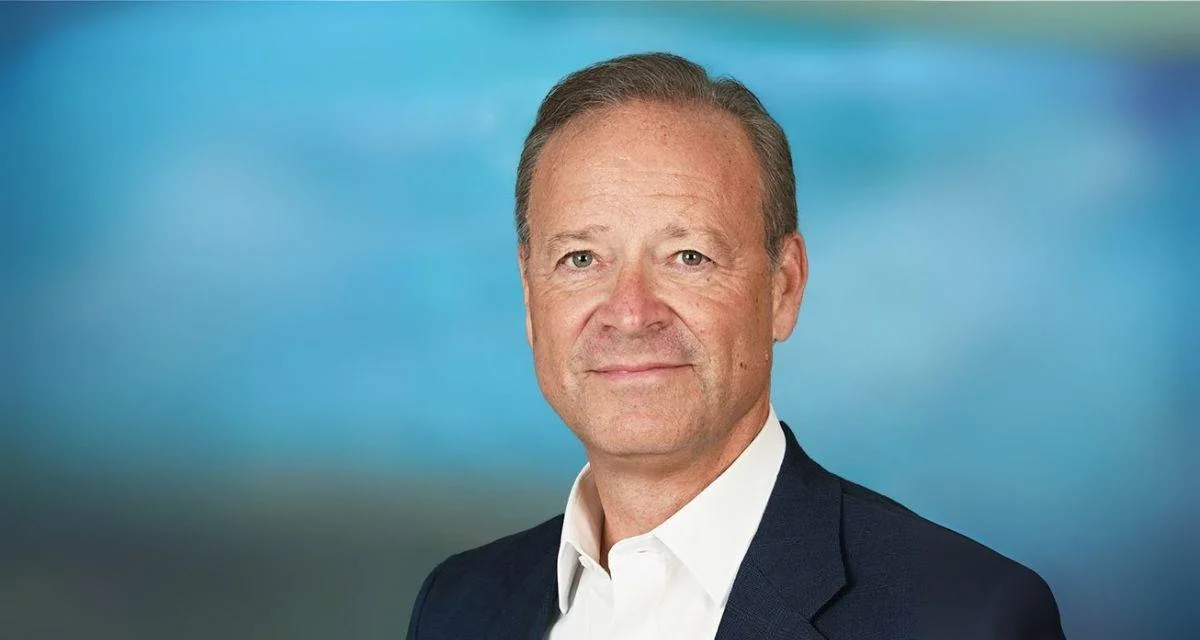
During his presentation at J.P. Morgan, CEO Christopher Viehbacher addressed this pending approval: “That’s going to be also extremely important, partly because we do have a competitor and the competitor offers once monthly infusion versus our every 2-week infusion,” Viehbacher said about Kisunla. “But that advantage is going to go away once we have a subcutaneous formulation,” he added, explaining that while maintenance doses require one autoinjector per week, induction will use two autoinjectors simultaneously. “So that will improve not only the patient experience, but it simplifies the pathway.”
Another significant development is Biogen's AHEAD 3-45 study targeting presymptomatic Alzheimer’s patients; results are expected by late 2028 according to ClinicalTrials.gov data. In comparison, Eli Lilly’s TRAILBLAZER-ALZ 3 study aims for results in November 2027.
Biogen management indicated at the conference that findings from Lilly’s trial may be beneficial for advancing research but are unlikely to affect decisions regarding interim analysis of their own AHEAD 3-45 study.
Viehbacher commented on these studies during a Q&A session: “I do think, by the end of this decade, that we’re probably going to be looking at earlier-stage patients because you’re getting so much more benefit from that... But it’s a huge opportunity.”
Jane Grogan, Biogen's head of research, told BioSpace about lessons learned since launching Leqembi with partner Eisai: “The difficulty and the beauty about being first into a disease area is that you have to crack it open.” She described how initial challenges—such as preparing providers for necessary MRI tests—have led to improved infrastructure and diagnostic tools today: “We know how to find patients. We know how to find the doctors that are prescribing... We’ve set the groundwork to really be able to enable really robust launches in future Alzheimer’s indications.”
Grogan emphasized rigorous clinical evaluation ahead: “The most comprehensive clinical trial [has been set up] to answer the hypothesis.” She explained that extended timelines are intended to thoroughly test whether early intervention can change disease progression.
In addition to amyloid-targeted drugs like Leqembi, Biogen is pursuing treatments aimed at tau protein—a key target implicated in Alzheimer’s pathology—with BIIB080 (an antisense oligonucleotide developed with Ionis Pharmaceuticals), currently in Phase II CELIA trials expected mid-2026.
CEO Viehbacher said: “Our belief is that with an ASO, we can act on intracellular tau.” RBC Capital Markets reported after Tuesday's event: “They believe ASO construct should provide key advantages over anti-Tau antibodies in development, though acknowledged high risk and want to see impact on both PET Tau and clinical measures in mid-year data.” However, they noted expectations remain modest due partly to delivery method limitations.
Biogen is also working on next-generation approaches such as brain shuttle technology—collaborating with C4 Therapeutics—and exploring siRNA strategies alongside molecular glue projects through partnerships like Neomorph.
Grogan summed up her outlook: “This whole field is waking up and emerging... It’s a terrifically exciting time for neurology... there will be a lot of movement in this field.”



