
A Korean research team has made a significant discovery about the origins of IDH-mutant glioma, a common malignant brain tumor affecting young adults under 50. These tumors are difficult to treat due to their high recurrence rate, and treatment has traditionally focused on removing visible tumor masses.
Researchers from KAIST and Yonsei University Severance Hospital have found that normal brain cells can acquire the initial IDH mutation and spread throughout the cortex before any visible tumor forms. This suggests that these tumors begin developing long before they become detectable with current imaging methods.
Professor Jeong Ho Lee of KAIST and Professor Seok-Gu Kang of Yonsei University led the study, which identified Glial Progenitor Cells (GPCs) in normal brain tissue as the origin of IDH-mutant gliomas. Using spatial transcriptomics technology, the team confirmed that mutated GPCs were present in areas of the brain that appeared normal.
The researchers also replicated tumor development in mice by introducing the same genetic driver mutation found in patients into mouse GPCs. This work builds on previous research from 2018 that showed IDH wildtype glioblastoma originates from neural stem cells in another region of the brain.
Their findings show that different types of malignant brain tumors start from different cells and locations within the brain, indicating distinct developmental processes for each type.
Sovagen Co., Ltd, a startup originating from KAIST faculty, is now working on an RNA-based drug aimed at suppressing evolution and recurrence of IDH-mutant malignant brain tumors. Severance Hospital is also developing new technologies to detect and control early mutant cells through a Korea-US research collaboration.
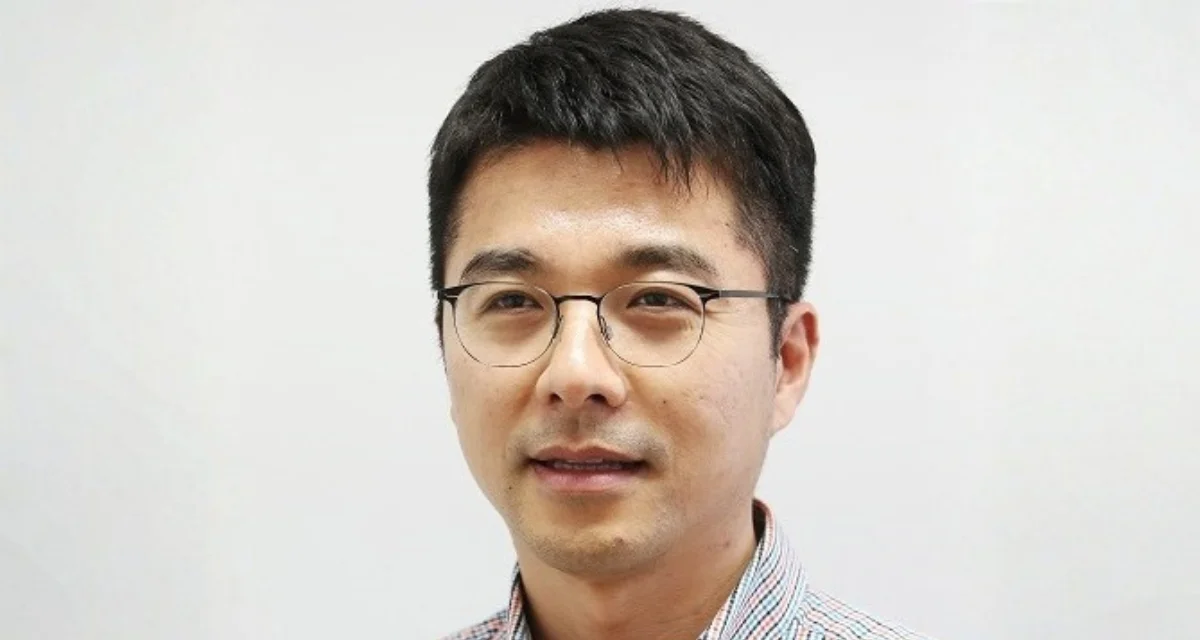
Dr. Jung Won Park, a neurosurgeon at KAIST and first author of the study, stated: "This achievement was made possible by combining KAIST's world-class basic science research capabilities with the clinical expertise of Yonsei Severance Hospital. The question I kept asking while treating patients—'Where does this tumor originate?'—was the starting point of this research."
The study was published on January 8th in Science journal. Funding came from several sources including Suh Kyung-bae Science Foundation, National Research Foundation of Korea, Ministry of Science and ICT, Ministry of Health and Welfare, and Korea Health Industry Development Institute.



