
The Centers for Disease Control and Prevention (CDC) has reduced the number of routine childhood vaccines it recommends, removing six immunizations that have protected many children from severe diseases and death over the past decades. The affected vaccines are those against hepatitis A, hepatitis B, rotavirus, respiratory syncytial virus (RSV), meningococcal disease, flu, and COVID-19. These are now recommended only for children at high risk or after a consultation between healthcare providers and parents.
Despite these changes, the CDC still recommends 11 other childhood vaccines including those for measles, mumps, rubella, whooping cough, tetanus, diphtheria, Hib (Haemophilus influenzae type b), pneumonia, polio, chickenpox, and human papillomavirus (HPV).
Federal and private insurance will continue to cover the sidelined vaccines. According to a Department of Health and Human Services (HHS) fact sheet, parents who choose to vaccinate their children against these diseases will not be required to pay out-of-pocket.
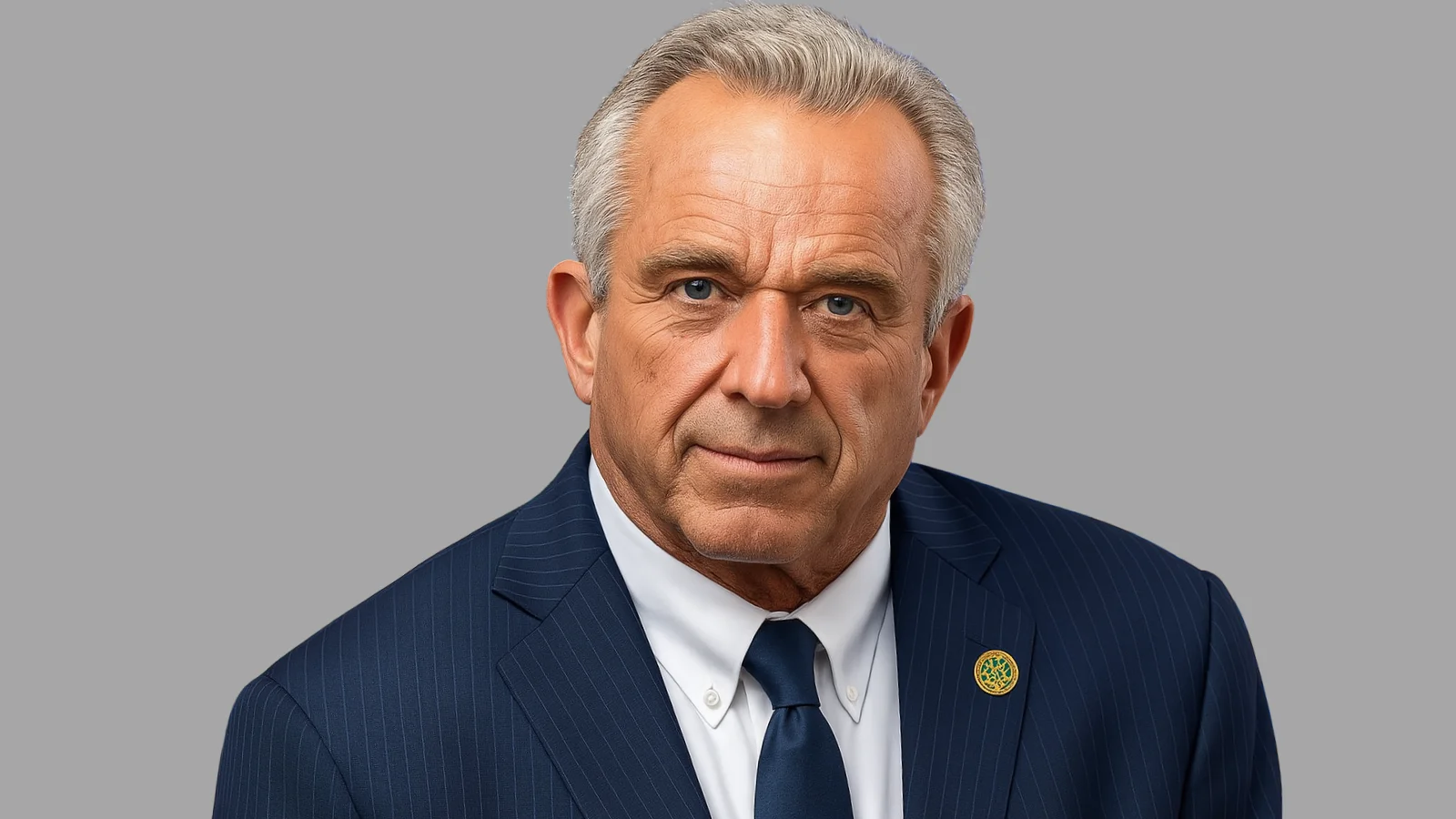
Experts in pediatric health have expressed confusion over the new recommendations. HHS stated that the decision followed “a scientific review of the underlying science” and aligns with programs in some other developed countries. HHS Secretary Robert F. Kennedy Jr., known for his anti-vaccine stance, cited Denmark as an example. However, most European vaccine schedules remain closer to previous U.S. standards than to the newly revised guidelines.
Paul Offit of the Children’s Hospital of Philadelphia commented on Denmark’s approach: "They're OK with having 1,200 or 1,300 hospitalized kids, which is the tip of the iceberg in terms of childhood suffering," he said. "We weren't. They should be trying to emulate us, not the other way around."
Public health officials warn that parents must now take more responsibility in understanding each vaccine’s benefits. For instance:
- RSV is currently the leading cause of infant hospitalization in the U.S., responsible for tens of thousands of hospitalizations annually.
- Hepatitis A vaccination has led to a significant drop in cases since its introduction but outbreaks persist among adults.
- Hepatitis B can lead to liver cancer and cirrhosis; universal vaccination caused reported cases among children and teens to fall by 99% between 1990 and 2019.
- Before rotavirus vaccination began in 2006, approximately 70,000 young children were hospitalized each year due to this illness.
- Meningococcal disease continues to pose serious risks for teenagers and college students.
- Flu and COVID-19 have each resulted in hundreds of child deaths in recent years.
With these changes, decisions about vaccinations for influenza, COVID-19, rotavirus, meningococcal disease, hepatitis A and B will rely on what officials call “shared clinical decision-making.” This process involves families consulting with healthcare providers about whether specific vaccines are appropriate.
Lori Handy from Children’s Hospital of Philadelphia explained: "It means a provider should have a conversation with the patient to lay out the risks and the benefits and make a decision for that individual person." She also noted that previously this term was used only in limited situations.
Handy criticized the new approach: "The CDC's new approach doesn't line up with the science because of the proven protective benefit the vaccines have for the vast majority of the population."
HHS officials Tracy Beth Høeg and Martin Kulldorff justified their recommendation by saying there is a need for more safety research and parental choice due to eroding trust in public health systems.
Handy emphasized vaccine safety: "They’re held to a safety standard higher than any other medical intervention that we have," she said. "The value of routine recommendations is that it really helps the public understand that this has been vetted upside down and backwards in every which way."
Eric Ball from Orange County warned that less clear guidance could confuse parents: "It is critical for public health that recommendations for vaccines are very clear and concise," he said. "Anything to muddy the water is just going to lead to more children getting sick." He added that shared decision-making does not imply concerns about vaccine safety.
Richard Hughes IV from George Washington University pointed out that state vaccination laws remain unchanged: "You could expect that any pediatrician is going to follow sound evidence and recommend that their patients be vaccinated," he said. He also stressed ongoing threats posed by RSV, meningococcal disease, and hepatitis.

