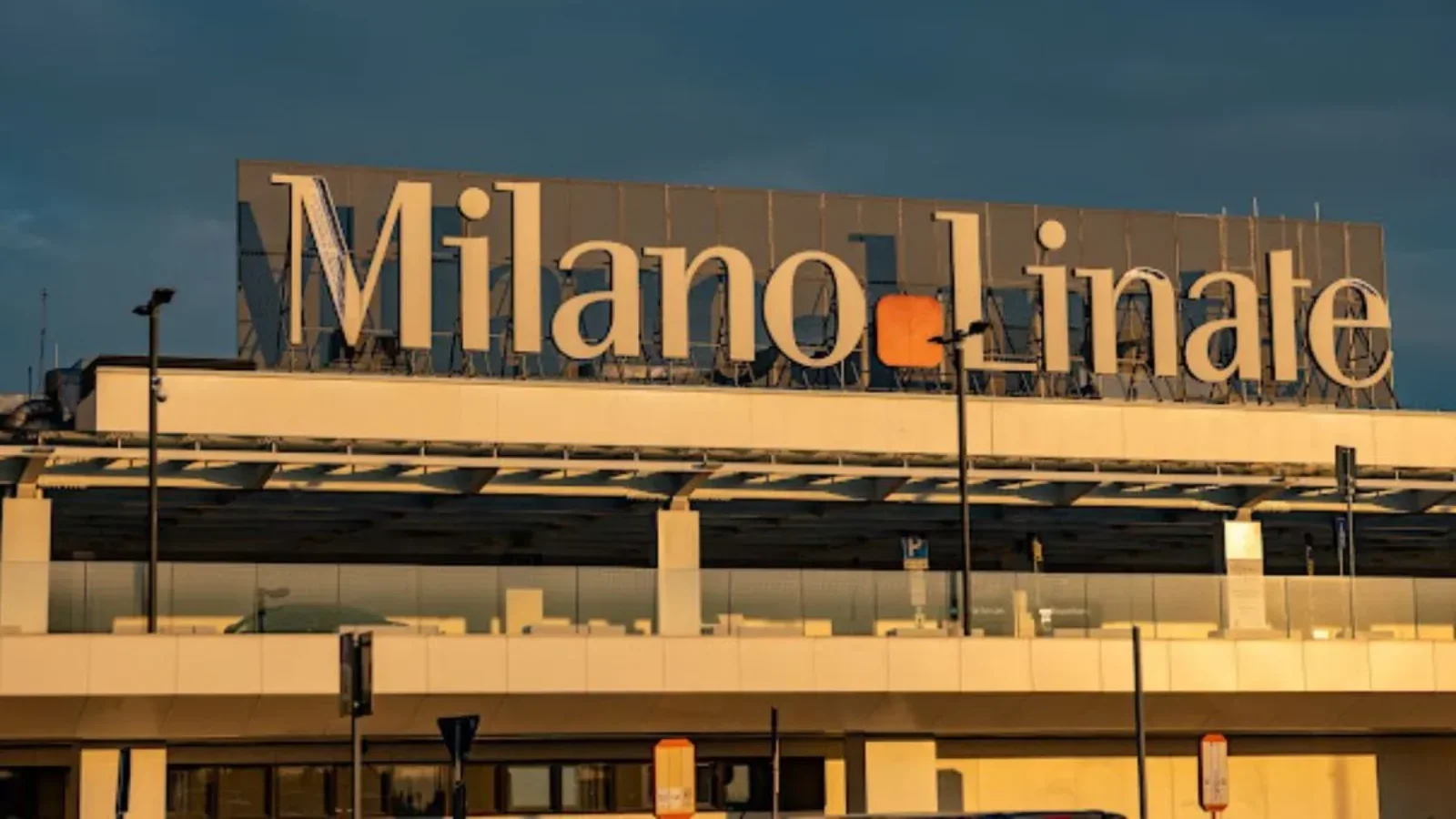

New research conducted at Milan's city airport has revealed that routine airport operations, beyond jet engine exhaust, are a significant source of industrial chemicals in the surrounding air. The study, published in Environmental Chemistry and Ecotoxicology, focused on particulate matter (PM10) and its role in carrying benzothiazoles (BTH), compounds associated with tire wear.
The investigation centered on Milano Linate Airport during February and March 2023. Researchers measured PM10 concentrations, which ranged from 11 to 81 μg m−3, with a median of 31 μg m−3. These levels were comparable to other sites within Milan and lower than some heavily polluted international airports. In addition to BTHs, the study also tracked major ions and organic acids present in PM10 to better understand the chemical composition.
TWPs (Tire Wear Particles), shed from both aircraft and land vehicle tires as they move across pavement, are known sources of microplastic pollution in air, soil, and water. At Frankfurt Airport alone, 83 tons of such particles were released in 2019 due solely to aircraft tire wear.
Benzothiazoles found in these particles are used across various industries including antifreeze production, de-icing solutions, pesticides, steel manufacturing, paper production, and textiles. They can be irritant or toxic to living organisms.
"This unique study examined eight chemicals related to tire wear in outdoor PM10 air at an airport. It showed that Milano Linate Airport acts as an important local contributor to BTHs in the air, similar in composition to the aerosol in cities with heavy traffic. Multiple source-related clusters were identified, two of which were related to airport activity. However, the risk of hazardous exposure to BTHs at this airport was low."
Levels of specific BTH variants such as BTH-MeS increased by 37%, BTH-NH2 by 54%, and BTH-SO3H by 161% from February to March despite overall declines in PM10 mass. This pattern may reflect increased airport activity rather than changes directly tied to flight numbers.
The researchers noted that sulfate and ammonium ions comprised nearly three-quarters of total ions detected. High nitrate levels resulted from nitrogen oxides produced by airplane engines reacting with pollutants already present in urban air.
Patterns observed over the week indicated that chemical concentrations peaked on Fridays and Saturdays but dropped on Tuesdays—a trend not mirrored by flight schedules—suggesting these emissions are linked more closely with general airport activity.
Using hierarchical cluster analysis (HCA), scientists identified three distinct groups of BTH sources: one associated with direct airport operations (vehicles or airplanes), another connected to de-icing procedures common at airports, and a third attributed to medium-range transport processes.
"Another group of BTHs all peaked on the same two days, indicating that not all BTHs arise from the same source. Some, like BTH-MeS, may be a biodegradation product of BTH-SH."
Wind direction data supported the conclusion that non-exhaust emissions—not just those from jet engines—play a key role in contributing benzothiazoles to local air quality around airports.
Despite these findings about chemical release patterns and sources around airports like Milano Linate, researchers concluded that occupational exposure risks for staff remain low.

