
U.S. pharmaceutical companies are set to increase the prices of more branded drugs in 2026 compared to the previous year, according to data from healthcare research firm 3 Axis Advisors cited by Reuters. The number of medications with planned price hikes has risen to at least 350, up from about 250 in early 2025. The median price increase remains at 4%, consistent with last year's rate and the average since drugmakers reduced annual price hikes starting in 2019.
Pfizer is leading this trend, planning to raise prices on 80 products—more than any other company. Among the affected drugs are Ibrance (a cancer treatment), Nurtec (for migraines), and Paxlovid (a COVID-19 therapy). Most Pfizer price increases are below 10%, but there are exceptions: the company will reportedly raise the price of its COVID-19 vaccine Comirnaty by 15%. Some hospital medicines, which have been relatively inexpensive, will see their prices increase more than fourfold.
A spokesperson for Pfizer told Reuters that “the average increase in the list price of its innovative medicines and vaccines for 2026 is below the overall rate of inflation.” The company added that this “modest increase is necessary to support investments that allow us to continue to discover and deliver new medicines as well as address increased costs throughout our business.”
Other products facing higher prices include vaccines for respiratory syncytial virus (RSV) and shingles. GSK, which markets a shingles vaccine and competes with Pfizer on RSV products, plans to raise prices on about 20 items by between 2% and 8.9%. GSK stated it is “committed to reasonable prices” but needs higher charges “to support scientific innovation.”
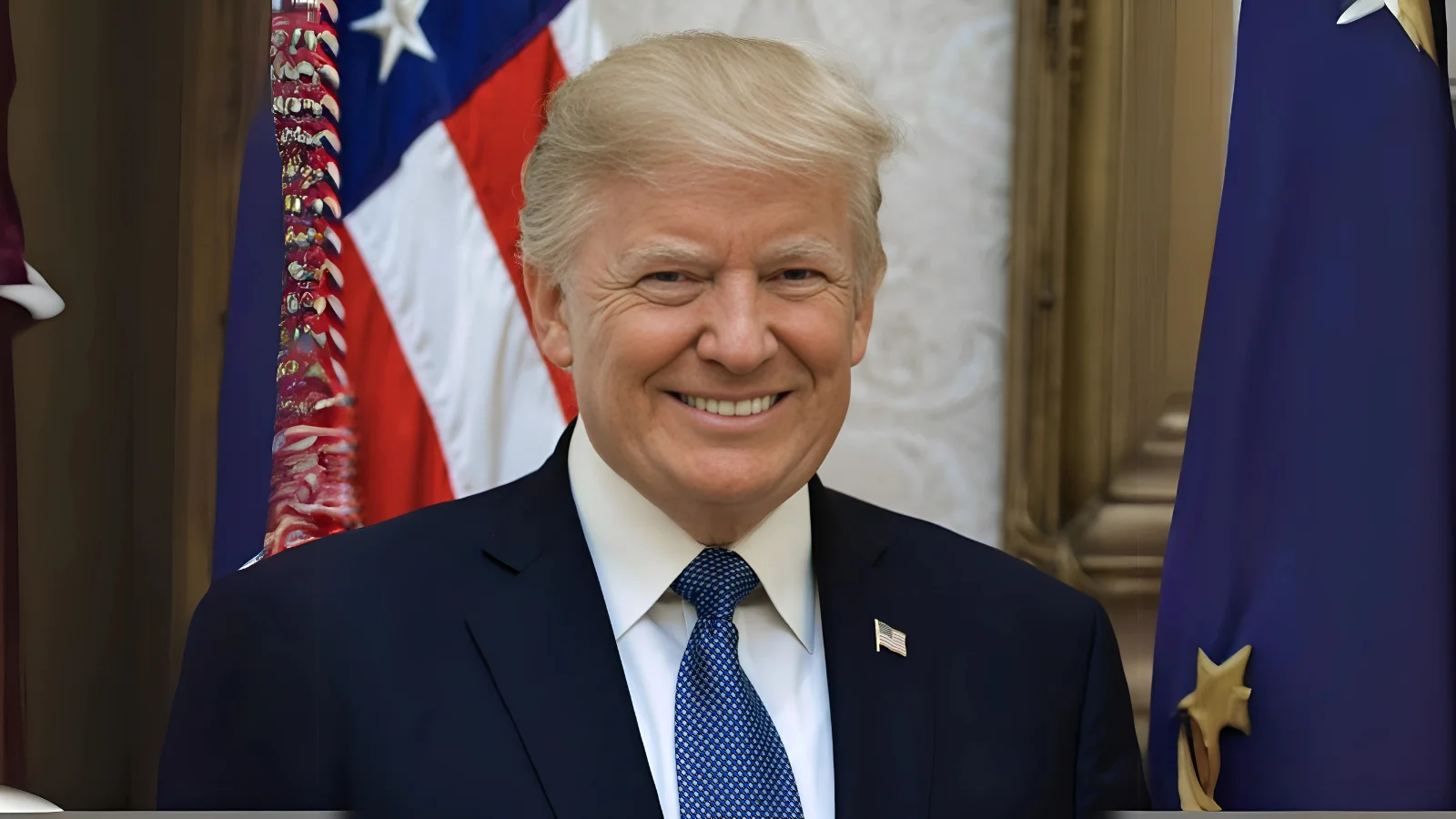
Despite pressure from President Donald Trump’s administration for lower drug costs—and after several major pharmaceutical firms signed Most Favored Nation agreements with the White House—many companies are still moving forward with increases. Fourteen drugmakers have reached pricing agreements with federal officials, including Pfizer, Boehringer Ingelheim, GSK, Eli Lilly, Novartis, and Sanofi.
Some drugs will see significant price reductions. For example, Boehringer Ingelheim’s diabetes medication Jardiance—and three related treatments—will drop by over 40%. Jardiance was part of negotiations under the Inflation Reduction Act that led Medicare to pay less for certain drugs beginning this year; Boehringer and Eli Lilly reduced Medicare's price for Jardiance by two-thirds.
The ongoing changes reflect both industry efforts to balance investment needs against political scrutiny over high drug costs.



