
A recent international study has found that people with central vision loss due to age-related macular degeneration (AMD) can judge the approach of vehicles almost as accurately as those with normal vision. The research, led by Johannes Gutenberg University Mainz (JGU) in collaboration with Rice University and other institutions from the United States and France, was published in the journal PLOS One.
The study compared older adults with AMD to a control group with normal vision using virtual-reality traffic scenarios. Participants were placed in a simulated environment where they observed an approaching vehicle from a pedestrian's perspective. They were asked to press a button when they believed the vehicle would reach them. The simulation included realistic vehicle sounds and varied whether participants received visual cues, auditory cues, or both at once.
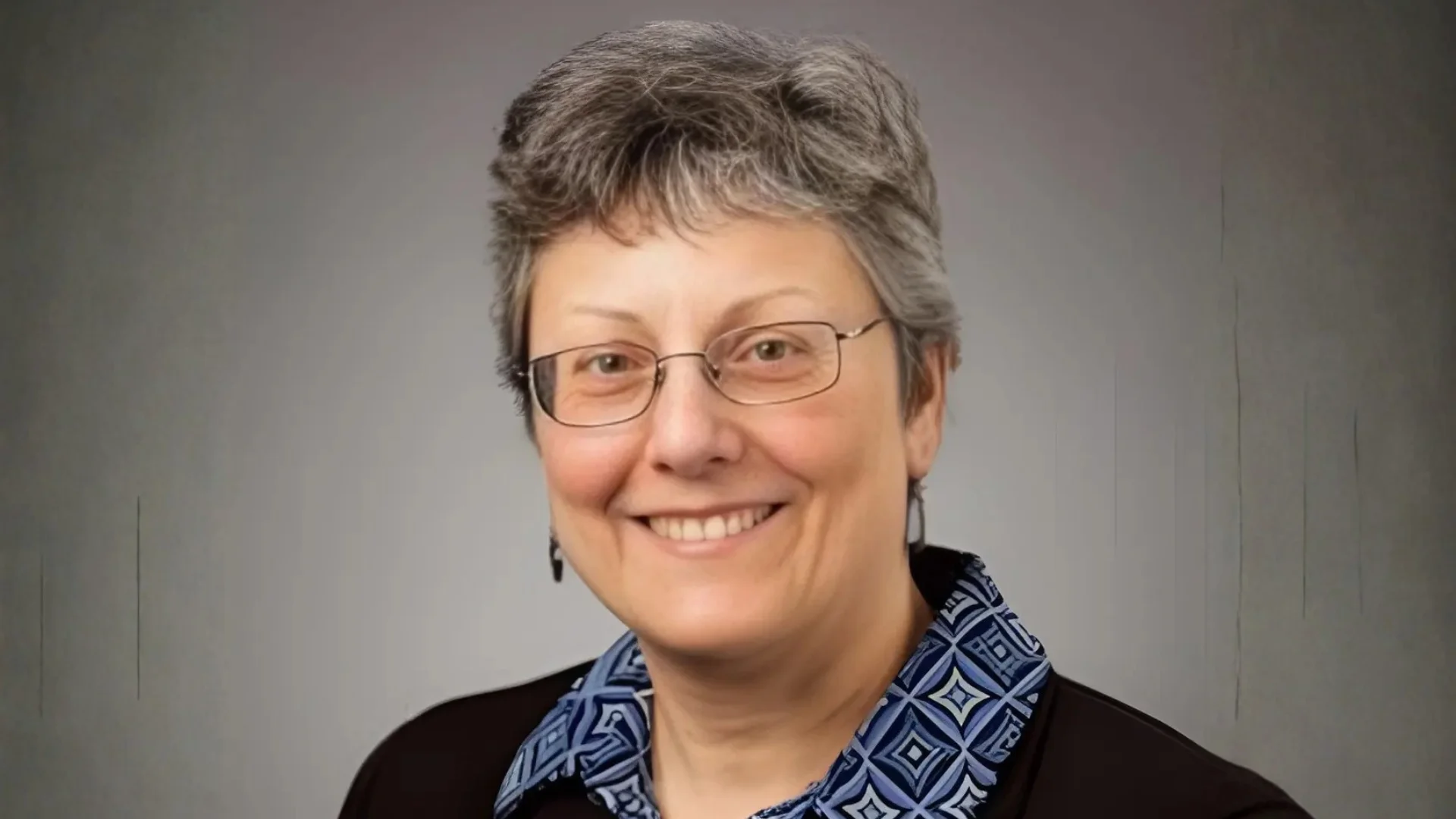
Professor Patricia DeLucia, perceptual and human factors psychologist from Rice University, explained: "There are few studies that look specifically at collision judgments in people with visual impairments. Even though tasks like crossing a street or navigating busy environments depend on this ability."
The researchers analyzed how participants used different sensory information to estimate arrival times. Professor Daniel Oberfeld-Twistel of Mainz University noted: "Our results indicate that even reduced central vision still provides useful information for judging approaching objects. People with age-related macular degeneration continue to benefit from their residual vision instead of relying solely on auditory cues." He also clarified that the experiments used simplified scenes featuring only one approaching vehicle.
The findings showed that under purely visual conditions, those with AMD relied more on pictorial cues such as apparent size than those without vision impairment. However, when both sight and sound were available, accuracy remained comparable between groups, and combining senses did not provide significant additional benefits.
Patricia DeLucia added: "Future work will therefore need to examine whether the findings hold in more complex environments, for example with multiple vehicles or when the vehicles are accelerating." She suggested further research could inform improvements in mobility training and traffic safety measures.
The research team included members from several institutions such as the University of Iowa, Lamar University, Retina Consultants of Texas, Davies Institute for Speech and Hearing, and the University of Toulouse. Funding was provided by the National Eye Institute of the National Institutes of Health (NIH), though the content represents only the authors' views.

