
Black and low-income patients are significantly under-represented in genetics clinics, according to a study by researchers at the Perelman School of Medicine at the University of Pennsylvania and Massachusetts General Hospital. The analysis found that these groups access genetic services at rates half or less than those of White patients or individuals from wealthier neighborhoods.
The research, published in the American Journal of Human Genetics, examined records from over 14,000 adult patients seen in genetics clinics at both the University of Pennsylvania Health System and Mass General Brigham over five years. The focus was on germline genetic testing, which can identify inherited variants linked to hereditary cancers and other diseases.
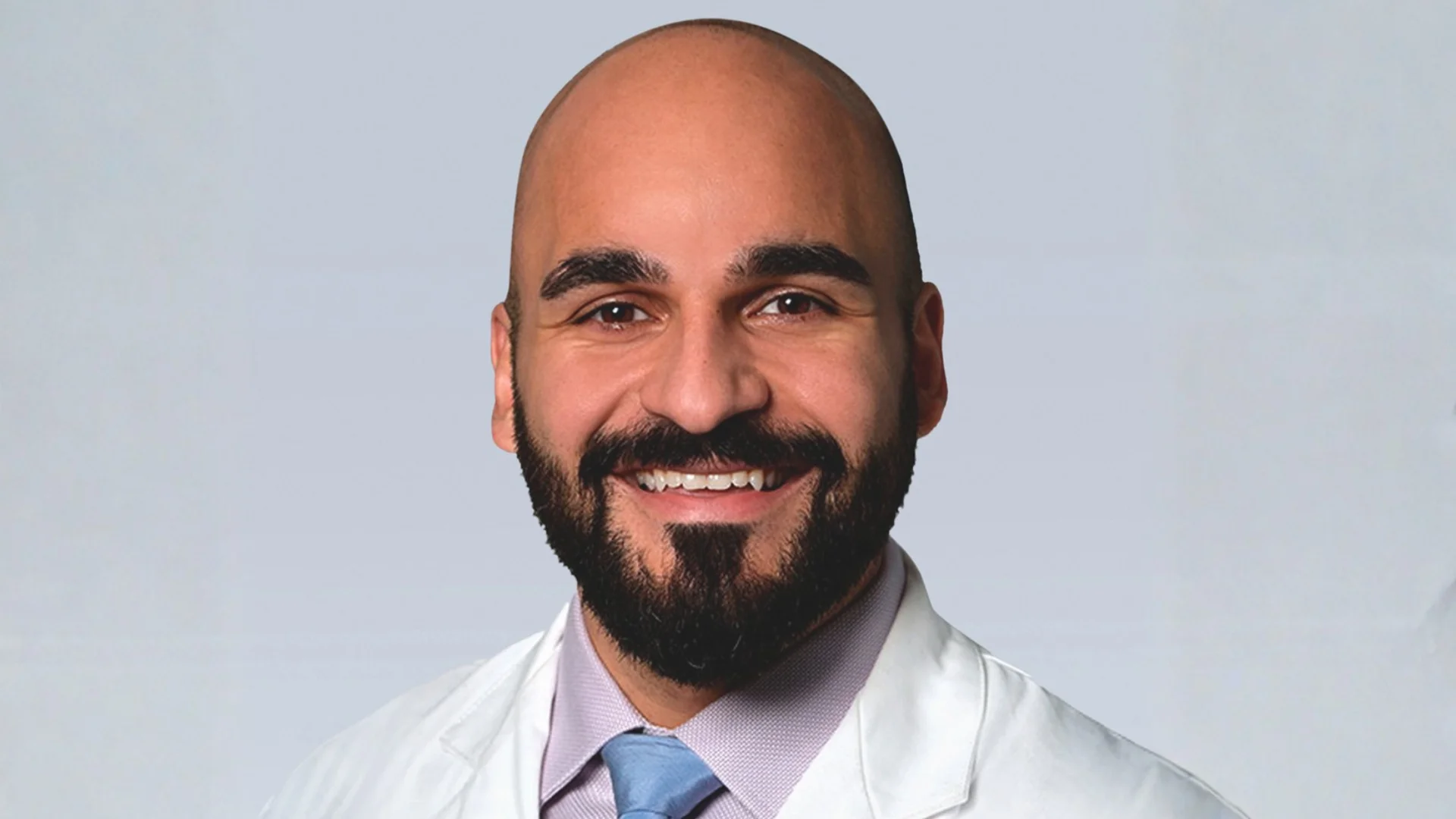
“These findings indicate that minorities or lower-income patients are not hesitant about genetic testing, they simply haven’t been informed about the option to receive it,” said Theodore G. Drivas, MD, PhD, assistant professor of Translational Medicine and Human Genetics at Penn.
Once Black patients or those from socioeconomically disadvantaged neighborhoods were evaluated for genetic testing, disparities shifted: Black patients were more likely to have tests ordered, and lower-income patients were more likely to receive definitive results that could guide treatment.
“This work shows that when patients from underrepresented communities access genetics services, they not only accept testing at higher rates but often uncover critical answers,” said Latrice Landry, PhD, instructor of Genetics at Penn and co-author of the study.
Researchers identified a major barrier at the referral stage. “The real bottleneck is likely at the referral stage; systemic barriers in primary care, such as knowledge gaps, clinic hours, and referral patterns, are preventing patients who stand to benefit the most from ever reaching our door,” Drivas said.
The absence of national guidelines for genetic testing contributes to these gaps. Without clear recommendations for referrals or coverage requirements by insurers outside certain areas like cancer genetics—where coordinated efforts have reduced racial disparities—many eligible patients do not get tested.
To address these issues, the study suggests interventions such as electronic health record prompts for referrals, embedding genetic counselors in primary care settings, offering virtual counseling options (as has been done successfully in cancer genetics), expanding workforce training and diversity among specialists.
“The findings have urgent implications as genetic testing becomes central to routine care,” Landry said. “We owe it to all patients to build equitable systems — through better education, virtual care, and policy changes— so that precision medicine truly benefits everyone.”

