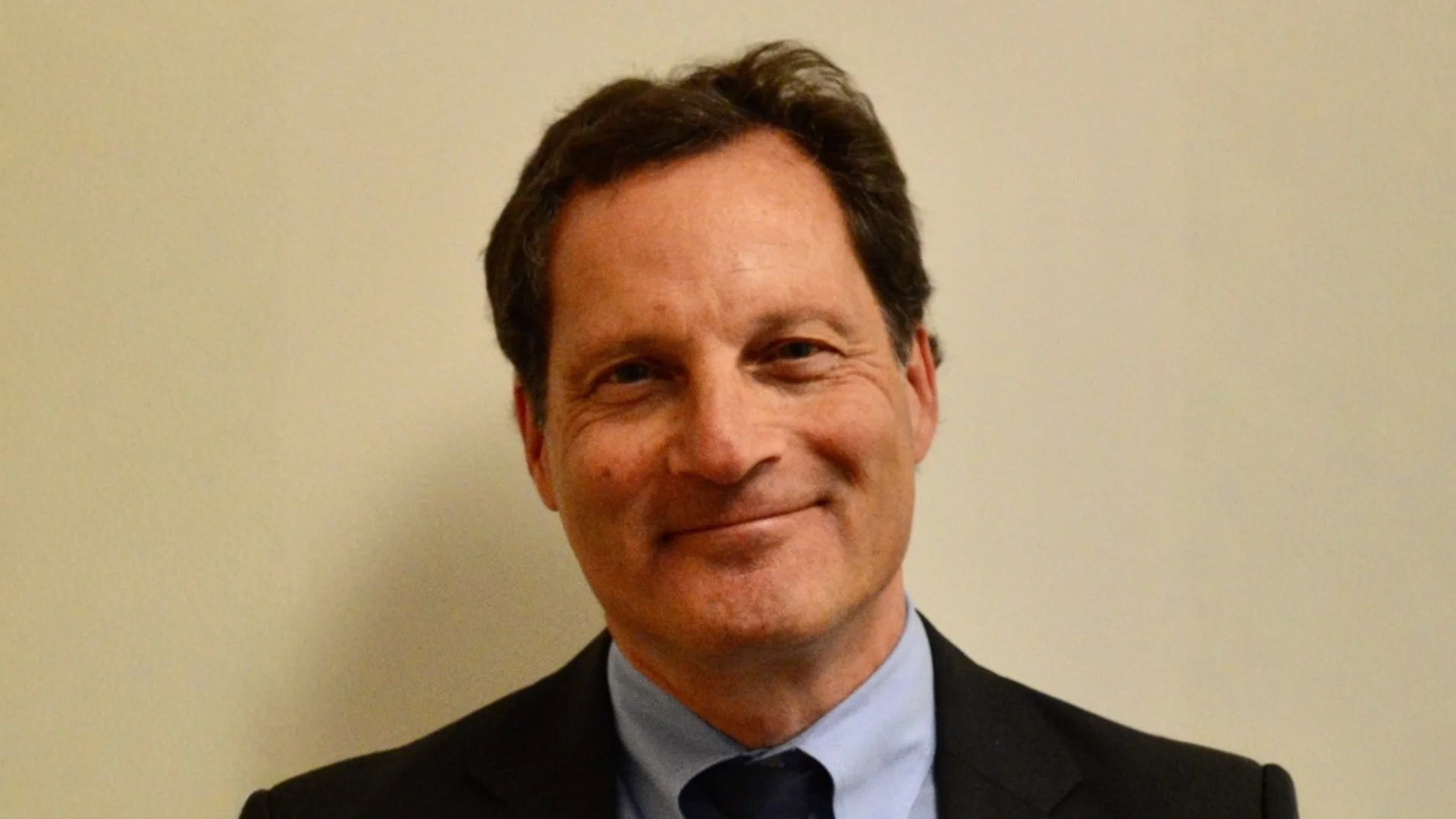

Leon Harris, 35, was shot in the back nearly two decades ago during a robbery, leaving him paralyzed from the chest down. Despite his injuries and trauma, Harris has built a career in information technology and finds support among other gunshot survivors and advocates. The rise in gun violence during the covid pandemic prompted him to move his family from Philadelphia to Delaware, but concerns about safety persist. Now, Harris is considering purchasing a firearm for protection.
Harris is one of many Americans affected by gun violence each year—a crisis that worsened during the pandemic. Over the past twenty years, firearm manufacturers have increased production and expanded marketing efforts through social media influencers and promotions. An industry trade group acknowledged that its traditional customer base was "pale, male and stale" and began targeting Black people and other communities of color who are disproportionately impacted by gun violence.
Changes in federal oversight also played a role. The Trump administration reduced regulations on gun businesses, with the Bureau of Alcohol, Tobacco, Firearms and Explosives describing this period as "marked by transparency, accountability, and partnership with the firearms industry." Despite ongoing debate over gun regulation in Washington, firearms remain one of few consumer products not regulated for health or safety at the federal level.
"The politics of guns in the U.S. are so out of whack with proper priorities that should focus on health and safety and most fundamental rights to live," said attorney Jon Lowy, founder of Global Action on Gun Violence. He helped represent Mexico in an unsuccessful lawsuit against major gunmakers before the Supreme Court. "The U.S. allows and enables gun industry practices that would be totally unacceptable anywhere else in the world."
KFF Health News conducted an investigation into gun violence during the pandemic by reviewing research studies, congressional reports, hospital data, and interviewing experts as well as victims’ families. Their findings indicate that while public officials imposed restrictions to curb covid-19 transmission—such as closing schools and businesses—politicians also designated gun stores as essential businesses.
During this time period, firearm companies received more than $150 million through the Paycheck Protection Program (PPP), even though some reported strong sales according to Everytown for Gun Safety’s analysis.
Surveys show that about 20% of American households purchased a firearm during the first two years of the pandemic—including many first-time buyers—according to data from NORC at the University of Chicago.
Harris recognizes what drives these purchases: "Guns aren't going away unless we get to the root of people's fears," he said.
While most American gun owners believe firearms make them safer at home, public health data indicates otherwise; owning a firearm doubles homicide risk and triples suicide risk within households.
"There’s no evidence that guns provide an increase in protection," said Kelly Drane from Giffords Law Center to Prevent Gun Violence. "We have been told a fundamental lie."
Crystal Anlage lost her son Jacquez Anlage when he was shot dead less than a year into the pandemic; his case remains unsolved five years later. She co-founded Jacksonville Survivors Foundation to raise awareness about homicide’s impact on families like hers: "Jacquez's death can't be in vain," she said. "I want his legacy to be love."
During this period—and amid racial justice protests—gun marketers promoted firearms for self-defense against crime or unrest via social media campaigns targeted at people concerned about police reliability or civil disorder.
A deleted Instagram post from Lone Wolf Arms depicted police confronting protesters alongside messaging such as “Defund Police? Defend Yourself.” Impact Arms posted images suggesting it was prudent to carry rifles due to instability: “The world is pretty crazy right now,” read one caption.
In 2020 alone—the year background checks for sales rose 60% compared with 2019—over 45,000 Americans died from firearm-related incidents according to government records; this number rose again in 2021.
Weapons sold early in the pandemic were more likely than ever before to appear at crime scenes within a year based on ATF data cited by Congress' Joint Economic Committee Democrats’ report.
Congressional investigations found that some manufacturers used aggressive tactics after mass shootings while failing “to take even basic steps” toward monitoring how their products were used unlawfully or violently. Marketing strategies included targeting both white supremacist groups fearing government repression as well as communities historically victimized by such groups—a dual approach criticized by lawmakers after reviewing company practices following high-profile shootings like those in Buffalo or Uvalde.
In 2024 under President Joe Biden’s administration—a $215,000 grant went from Department of Interior funds to National Shooting Sports Foundation (NSSF) for marketing efforts aimed specifically at Black Americans.
The Federal Trade Commission (FTC) has authority over deceptive advertising but did not announce any public action when asked by advocacy groups—including requests related specifically toward children or communities of color exposed through targeted campaigns—as confirmed by former FTC associate director Serena Viswanathan who noted staff reductions under Trump’s presidency hindered enforcement capacity within advertising divisions.
Smith & Wesson CEO Mark Smith responded publicly after criticism directed toward manufacturers: Cities experiencing violent crime had “promoted irresponsible soft-on-crime policies,” he wrote online; attempts were being made “to prohibit firearm manufacturers...from advertising products” reminding citizens they have Second Amendment rights for self-defense purposes.
Efforts within industry circles date back several years: At a 2015 NSSF conference attended by competitive shooter Chris Cheng presentations focused on diversifying customer bases using demographic insights regarding Black and Hispanic shooters’ attitudes toward advertising—partly driven by declining hunting participation rates among traditional customers according Nick Suplina at Everytown for Gun Safety: “They identified women & people of color...they are selling [guns] as antidote[s] to fear & anxiety.”
Philip Smith founded National African American Gun Association ten years ago which now counts around 45 thousand members nationwide; he encourages responsible ownership & training while acknowledging rising interest since events like Michael Brown’s killing spurred greater concern over personal safety among Black professionals previously hesitant about owning guns—even among those politically opposed otherwise: “Hundreds called me...‘what kind should I buy?’”
Despite drops since peak-pandemic sales levels harm continues especially across segregated urban neighborhoods such as Philadelphia where official reports cite over one million transactions statewide just during 2020—a sharp increase versus fewer than four hundred thousand twenty years prior—with thousands injured or killed annually often without resolution for grieving families left behind amidst persistent poverty & unsolved cases.
Community activist Marion Wilson reflected on collective memory loss regarding recent surges saying: “We suffer from disease of American amnesia.”
For Harris—and others living with consequences daily—the decision whether arming oneself increases security remains unresolved amid enduring trauma: “I’m mulling it over,” he said reflecting hesitancy rooted not only fear but concern trauma might lead inadvertently cause further harm if forced defend himself family future incident.
If you have experienced being wounded by firearms & wish share your medical experience KFF Health News invites participation via their online form.

