
A recent international study led by researchers at Lund University has found that a blood biomarker not yet used in cardiac arrest care can more accurately predict the extent of brain damage after such events. The research, published in The Lancet Respiratory Medicine, involved 24 hospitals across Europe and included 819 adult patients.
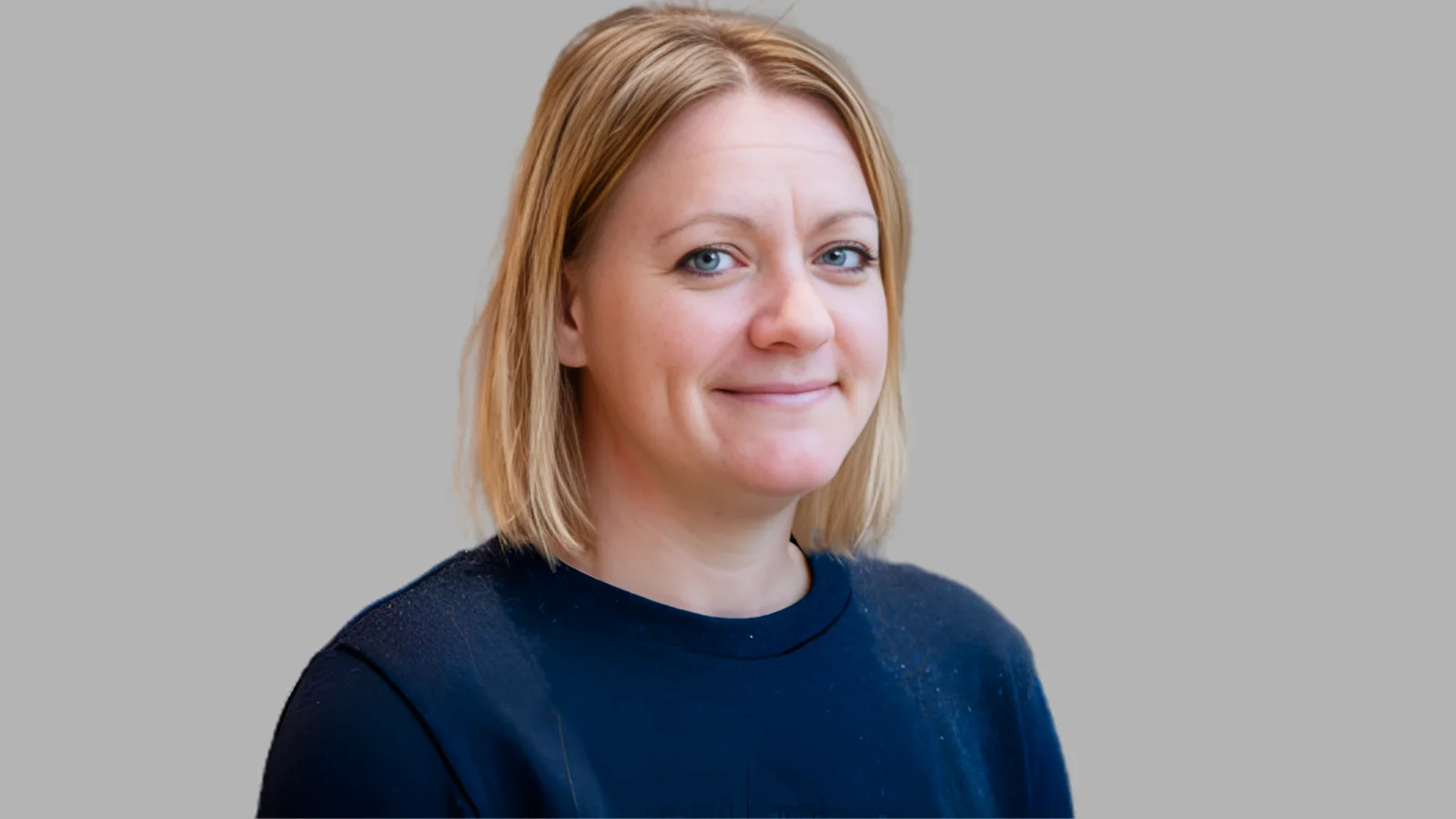
Marion Moseby Knappe, one of the researchers from Lund University and associate consultant in rehabilitation medicine at Skåne University Hospital, said, "This will transform care for these patients."
The study compared four different blood biomarkers to determine their reliability in assessing brain damage among unconscious patients following cardiac arrest. According to Niklas Nielsen, professor of anaesthesiology and intensive care at Lund University and consultant in intensive care at Helsingborg Hospital who led the study, “All those admitted to intensive care after cardiac arrest are unconscious and there is always uncertainty about how long this care is to continue. If the blood test shows that the chances are not exhausted it's reasonable to continue intensive care. But if it's clear there are no conditions for survival with a functional status associated with a good life, transition to a palliative phase could be considered.”
The findings revealed that two biomarkers currently used in clinical practice—neuron-specific enolase and S-100protein—have notable limitations when it comes to prognosis assessment after cardiac arrest. The new study confirmed earlier preliminary results by using an analysis method suitable for clinical environments.
Marion Moseby Knappe explained, “We saw that the biomarker neurofilament light, NFL, correctly identifies 92 per cent of all patient outcomes at six months after the cardiac arrest.” Neurofilament light is already utilized as a biomarker in other neurological conditions such as multiple sclerosis (MS). Another biomarker studied—GFAP—also performed better than those commonly used.
“NFL was superior to the other three biomarkers. It's better at differentiating between patients with major and minor brain damage, and can also give an answer as quickly as 24 hours after the cardiac arrest. The biomarker is also more stable in the blood, which is significant in the measurement process,” said Marion Moseby Knappe.
Niklas Nielsen cautioned that decisions regarding ending intensive care should not rely solely on blood tests: “The decision also requires information from other sources such as X-ray examinations or analysis of electrical activity in the brain.”
He added, “Overall, the new findings are significant for a reliable assessment of the chance of waking up after a cardiac arrest.”
Blood samples were collected from participants at four intervals: upon admission (0 hours), then at 24, 48, and 72 hours later. All samples were analyzed using the same equipment.
This research was part of a larger clinical trial called Hypothermia versus Normothermia after Out-of-Hospital Cardiac Arrest (TTM2 trial), previously published in NEJM in 2021. That trial found no difference between body cooling treatment and normal temperature treatment regarding survival or recovery rates. As a result, body cooling is no longer recommended by international guidelines.
Worldwide, sudden cardiac arrests affect around four million people each year.

