
Researchers at the Sylvester Comprehensive Cancer Center, part of the University of Miami Miller School of Medicine, have reported interim results from a clinical trial showing that an antibody therapy called linvoseltamab has eradicated residual traces of multiple myeloma in patients. The findings will be presented on December 6, 2025, at the American Society of Hematology (ASH) annual meeting in Orlando.
The study involved 18 patients who completed up to six cycles of treatment with linvoseltamab. After therapy, none had detectable disease according to highly sensitive tests. This outcome suggests that linvoseltamab, a bispecific antibody, could help patients avoid bone marrow transplants and potentially improve long-term outcomes for those with multiple myeloma.
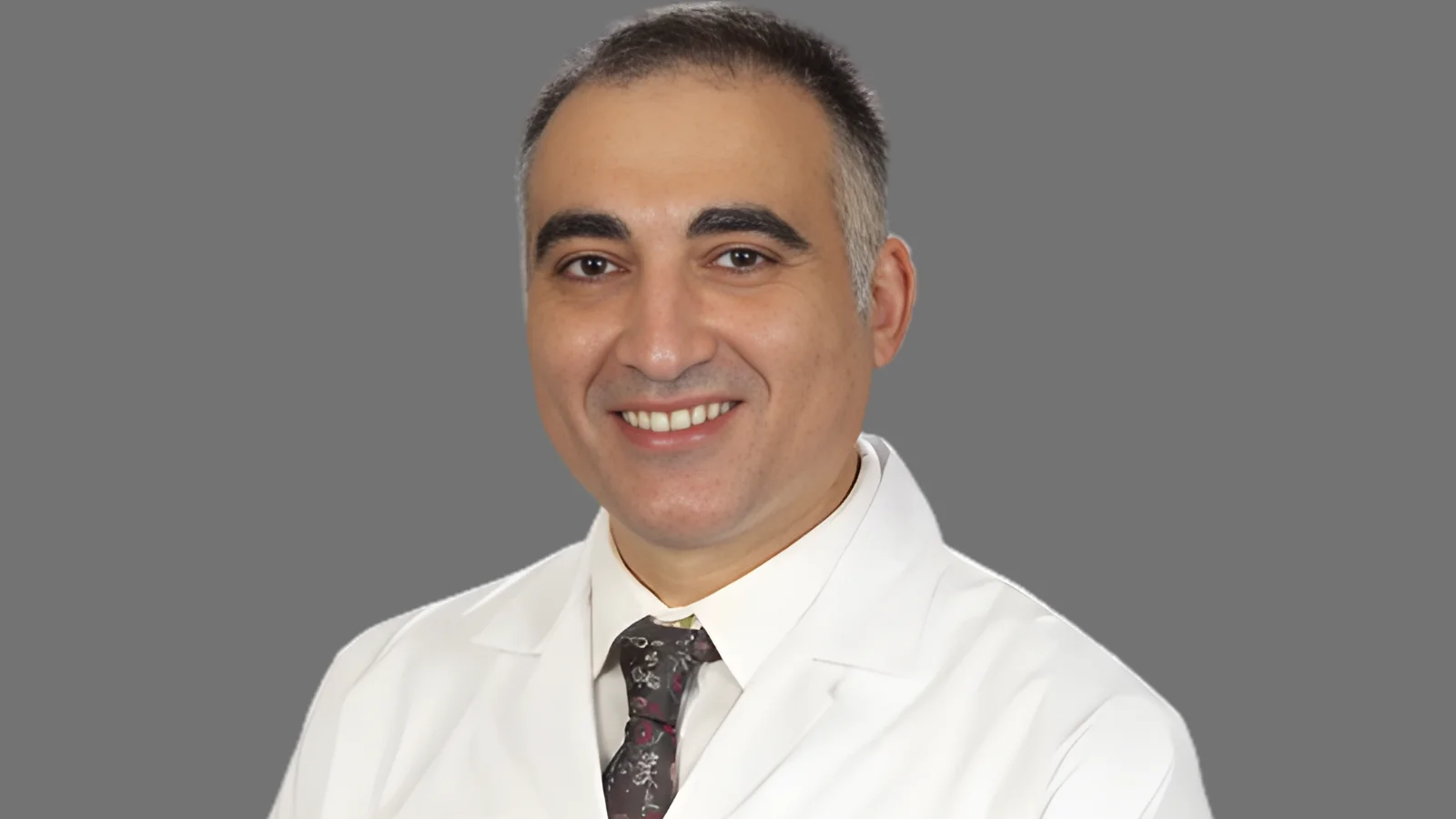
"These patients received modern and effective, up-front treatment that eliminated 90% of their tumor," said lead researcher Dickran Kazandjian, M.D., a physician and professor in the Myeloma Division at the Miller School. "Usually, patients like these would receive high-dose chemotherapy and transplant. Instead, we give them a treatment with the drug linvoseltamab."
C. Ola Landgren, M.D., Ph.D., director of Sylvester Myeloma Institute and co-researcher on the study, described the results as "extremely impressive" and commented on their significance for patient prognosis: "Based on my experience, I would predict that after having such a good response after such a short time, the disease most likely could stay away for many years," he said. "Could it never come back in some patients? I would say it's possible."
Multiple myeloma is a cancer arising from plasma cells—antibody-producing immune cells—that can interfere with normal blood cell function and cause damage. There is currently no established cure for this disease. According to estimates from the U.S. National Cancer Institute's Surveillance, Epidemiology, and End Results Program (SEER), more than 192,000 Americans were living with multiple myeloma in 2022; about 36,000 new cases are expected to be diagnosed this year.
Most newly diagnosed multiple myeloma patients receive combination therapies involving three or four drugs. While these treatments can sometimes eliminate cancer cells entirely, small amounts may remain undetected by standard bone marrow evaluations. To identify these minimal residual disease (MRD) cases—where only trace amounts persist—Sylvester researchers use genetic sequencing tests capable of detecting one cancer cell among a million normal cells.
Patients who test negative for MRD tend to have longer periods without relapse compared to those who are MRD positive—a metric pioneered by Landgren as an indicator when evaluating experimental therapies.
Traditionally, MRD-positive patients undergo high-dose chemotherapy followed by autologous stem cell transplantation—a process associated with significant side effects since its introduction in the UK in 1983—but relapses remain common.
The ongoing phase 2 clinical trial at Sylvester’s main center and satellite sites has enrolled 25 MRD-positive participants post-combination therapy so far; they receive four or six cycles of linvoseltamab treatment.
Unlike typical antibodies that bind to one target protein, bispecific antibodies like linvoseltamab attach both to CD3 (on T cells) and BCMA (on multiple myeloma cells). This dual binding brings immune cells into contact with cancerous ones and stimulates an immune response against the tumor.
Some participants experienced side effects such as neutropenia or upper respiratory infections; however, all adverse events remained within acceptable safety parameters according to Kazandjian. Preventative steps were taken against severe immunotherapy-related reactions like cytokine release syndrome or neurotoxicity syndrome; no such incidents occurred during this study phase.
After completing therapy cycles with linvoseltamab—and being tested using two independent sensitive methods—no residual disease was detected among those who finished treatment.
Kazandjian expressed optimism about future prospects: "It's a bold claim, but we need to aim for the stars to move the field forward; that is what we are trying to do," he said.
To further evaluate durability and effectiveness over time across larger populations—and potentially achieve what Kazandjian calls a “functional cure”—the research team plans to expand enrollment in their trial from 25 up to 50 participants.

