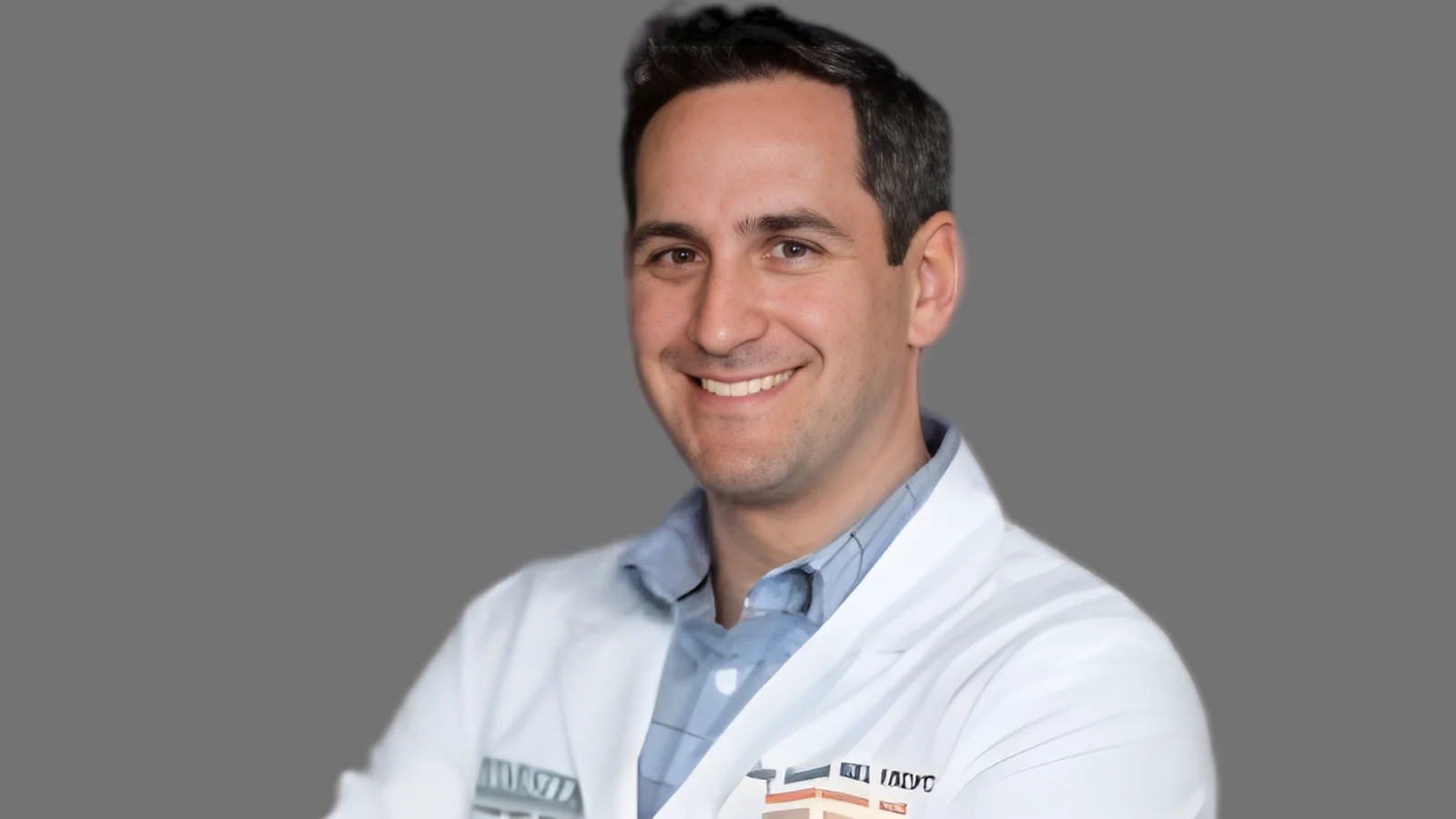

A new clinical trial has found that combining bispecific antibodies and antibody-drug conjugates with CAR T-cell therapy may improve one-year progression-free survival rates for patients with aggressive lymphoma. The findings were shared by Jay Spiegel, M.D., a transplant and cellular therapy physician at Sylvester Comprehensive Cancer Center, part of the University of Miami Miller School of Medicine. Spiegel will present these early results on December 8 at the 2025 American Society of Hematology (ASH) annual meeting in Orlando.
Aggressive lymphoma treatments have evolved quickly in recent years, but many patients experience relapse after initial success with new therapies. "CAR T works incredibly well upfront," Spiegel said, "but we've learned that it often falls short in the long-term - only about 40% of patients remain in remission after five years."
The study was led by Lazaros Lekakis, M.D., professor of clinical medicine at the Miller School. Researchers combined three promising treatments—CAR T-cell therapy, mosunetuzumab (a bispecific antibody), and polatuzumab (an antibody–drug conjugate)—to try to improve patient outcomes.
Large B-cell lymphoma is the most common aggressive lymphoma among adults, with its main subtype affecting around 25,000 people annually in the United States. Standard first-line treatments are effective for about 70% of patients; those whose disease returns or does not fully respond often receive CAR T-cell therapy next.
Mosunetuzumab works by connecting a patient's immune cells to lymphoma cells to activate an immune response. Polatuzumab delivers chemotherapy directly into cancer cells. Both drugs show effectiveness when used alone but do not always prevent recurrence.
To increase treatment durability, researchers administered mosunetuzumab and polatuzumab before and after CAR T-cell therapy to participants in a phase 2 trial involving 25 adults with relapsed or refractory large B-cell lymphoma (LBCL). Of the 24 patients who reached day 90 post-treatment, 90% achieved complete remission. At one year, approximately 80% remained in remission—a notable improvement compared to an estimated 50% one-year remission rate for CAR T alone.
"I did not think it would work this well," Spiegel said. "To take patients with this type of aggressive disease and have so many still in remission at one year, that really surprised me."
Spiegel emphasized that while these results are promising, further research is needed: "We have an exciting result," he said, "but now we need to show it can be done on a larger scale. That is the goal of the next study, to prove the juice is worth the squeeze."
He also noted rapid developments within lymphoma research: "Everything in lymphoma is happening all at once," Spiegel said. "It makes the field exciting but also complicated." He added that clinicians must determine how best to sequence or combine new therapies without overtaxing patients' immune systems.
For patients facing relapsed or aggressive forms of lymphoma today, prospects are improving as more treatment options become available. "If you have relapsed disease, even aggressive disease, there are multiple approaches now that can still cure your lymphoma," Spiegel said. "That was not true seven years ago."



