
With health savings accounts (HSAs), individuals can use tax-free funds to pay for a range of medical expenses, including eyeglasses, exams, and even high-priced wellness products like saunas and bassinets. However, these same accounts cannot be used to pay for most baby formulas, toothbrushes, or insurance premiums.
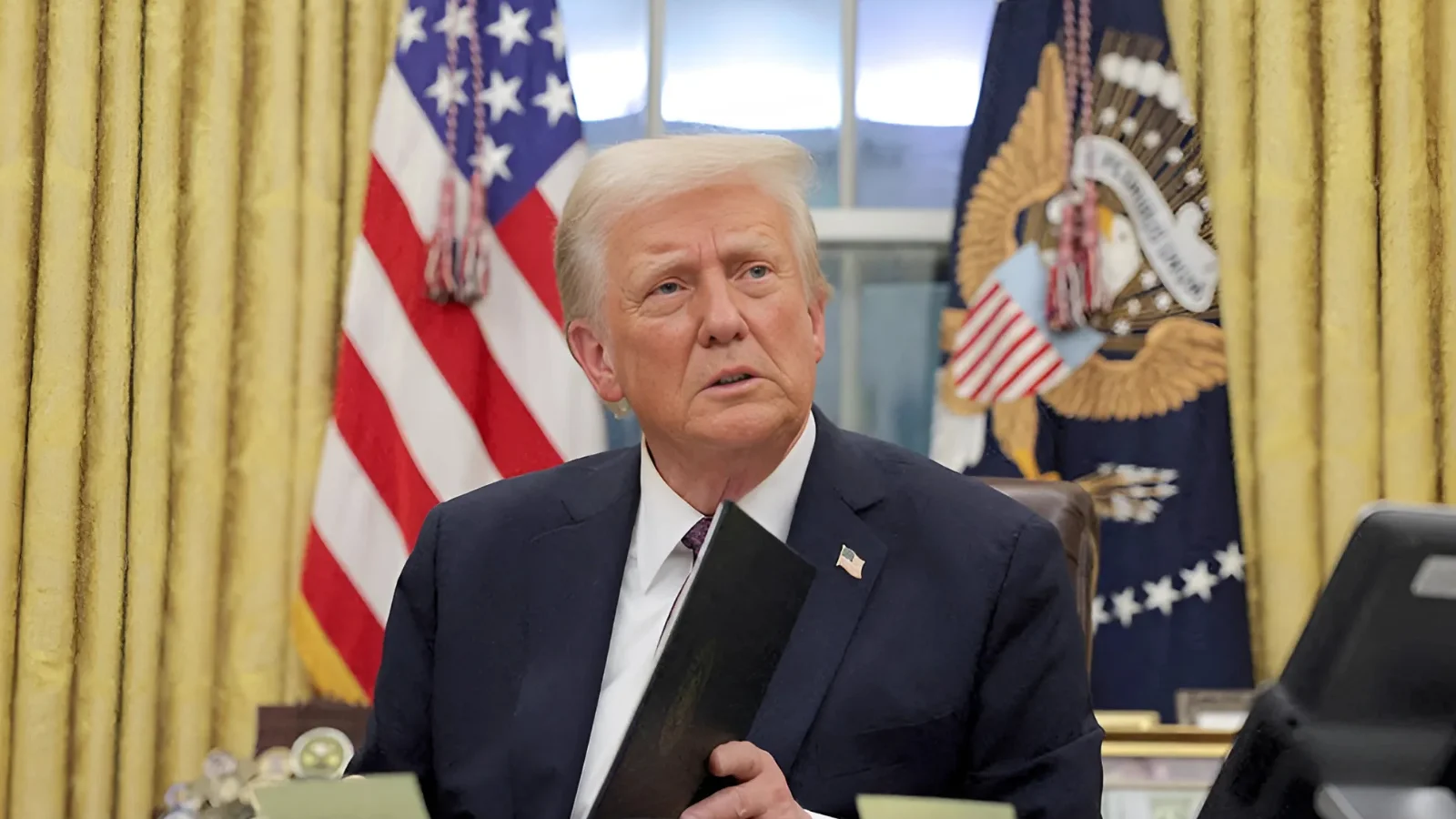
Some Republican lawmakers and former President Donald Trump are promoting HSAs as an alternative to the soon-to-expire enhanced federal subsidies that have reduced insurance premium payments for many Americans with Affordable Care Act (ACA) coverage. The legal restrictions on what HSAs can cover have raised questions about whether expanding their use would help the lower-income people who depend on ACA plans.
A recent change led by the White House will allow more ACA enrollees to qualify for HSAs. This expansion is expected to benefit companies selling wellness items eligible for purchase with HSA funds.
There is skepticism among conservatives about whether such a significant policy shift can be implemented quickly enough. Douglas Holtz-Eakin, president of the American Action Forum, told senators on November 19: "The plans have been designed. The premiums have been set. Many people have already enrolled and made their selections. There's very little that this Congress can do to change the outlook."
Republicans have long supported HSAs as a way for people to save money tax-free for medical needs without increasing federal spending on health care. Their latest proposals would expand eligibility through the One Big Beautiful Bill Act, allowing millions more ACA enrollees—specifically those in bronze or catastrophic plans—to open and contribute to HSAs starting January 1.
Senator Bill Cassidy of Louisiana has suggested providing federal deposits into HSAs for some ACA enrollees: "The American people want something to pass, so let's find something to pass," Cassidy said on December 3. "Let's give power to the patient, not profit to the insurance company." He believes an agreement could be reached in time for 2026 coverage.
Democrats argue that extending enhanced subsidies is necessary to control premium costs for nearly 24 million Americans in the ACA marketplace—a much larger group than the estimated 7.3 million who may soon qualify for HSAs under Trump administration estimates.
Senator Ron Wyden of Oregon commented: "HSAs can be a useful tool for very wealthy people," but added: "But I don't see it as a comprehensive health insurance opportunity."
The IRS restricts HSA usage; they are only available with high-deductible health plans in the ACA marketplace and have annual deposit limits ($4,400 per individual and $8,750 per family in 2026). Flexible spending accounts (FSAs) offer similar benefits but with lower limits and no rollover option.
Current law prohibits using HSA funds to pay insurance premiums. Without legislative changes, this means GOP proposals are unlikely to address rising premium costs directly. Absent congressional action, out-of-pocket premium payments are projected to increase by over 100% next year for subsidized Obamacare enrollees.
Tom Buchmueller from the University of Michigan noted that higher monthly premiums might lead some people either to drop coverage or choose less comprehensive plans: "For people who stay in the marketplace, they're going to be paying a lot more money every month," he said. "It doesn't help them pay that monthly premium."
HSA funds can cover many routine medical supplies and services but not general health expenses like gym memberships unless prescribed by a doctor.
According to Morningstar research firm data cited in this article, assets held in HSAs increased from $5 billion two decades ago to $146 billion last year as deductibles rose across insurance plans nationwide.
A Government Accountability Office report released in September found that wealthier white Americans with employer-sponsored coverage make up most HSA users today.
With expanded eligibility due under new legislation signed by Trump earlier this year—the One Big Beautiful Bill Act—retailers such as Amazon, Walmart, and Target are creating online stores focused on HSA-eligible products.
Startups specializing in helping consumers get approval for expensive wellness items purchased through HSAs are also growing rapidly. Truemed is one such company; its CEO Justin Mares stated: "What we've seen at Truemed is that when given the choice, Americans choose to invest their health care dollars in these kinds of proven lifestyle interventions."
Truemed co-founder Calley Means joined Health and Human Services (HHS) as a senior advisor after working at both Truemed and briefly at the White House during passage of recent legislation expanding HSA access. According to HHS spokeswoman Emily Hilliard: "Calley Means will not personally benefit financially from this proposal as he will be divesting from his company since he has been hired at HHS as a senior advisor supporting food and nutrition policy." Details regarding his divestment remain undisclosed.

