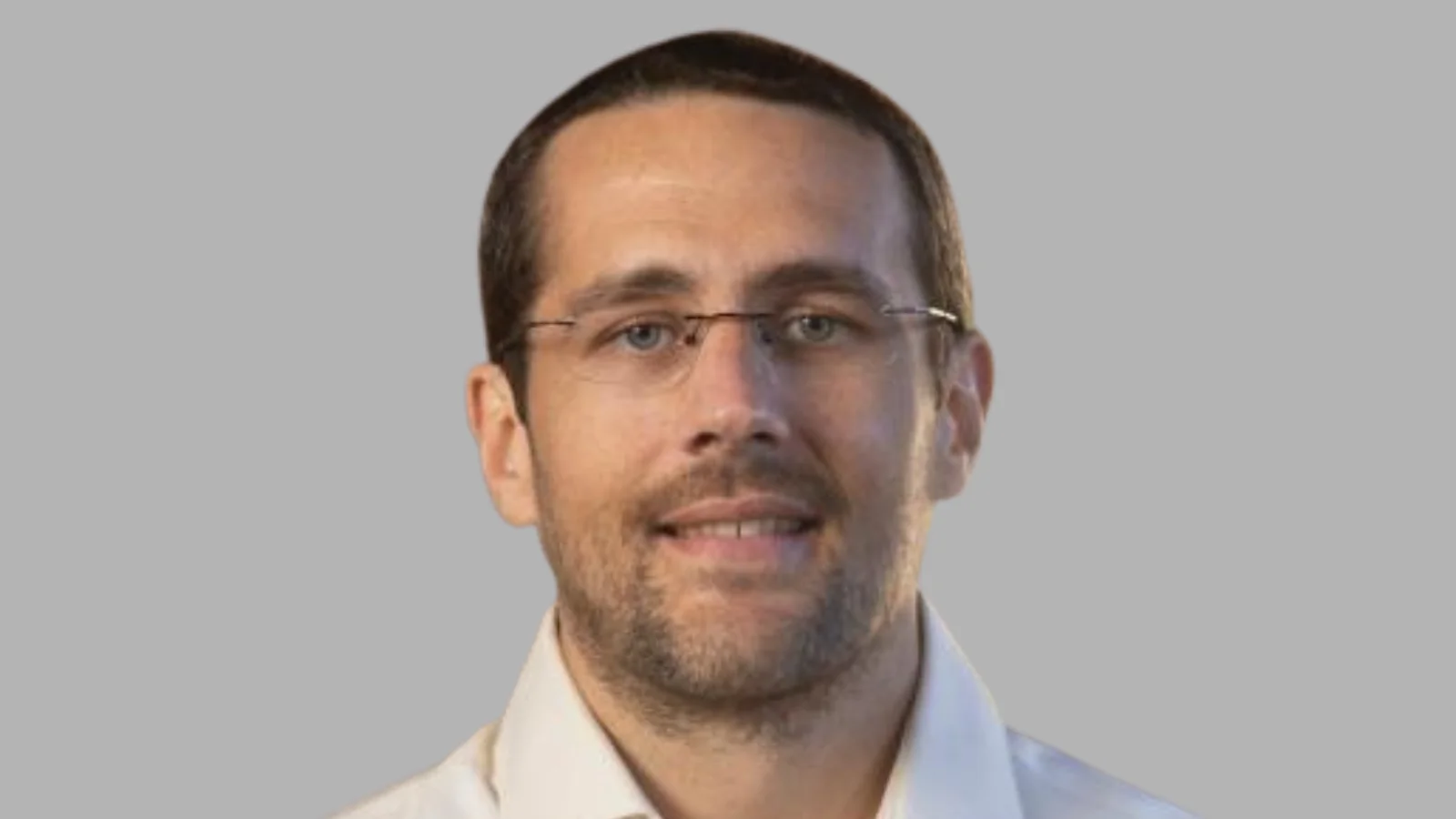

A recent study led by Stanford Medicine has found that the shingles vaccine may lower the risk of developing dementia and could also benefit those already diagnosed with the condition. The research, published in Nature and set for follow-up publication in Cell, focused on health records from Wales, where a unique public health policy created conditions similar to a randomized controlled trial.
Researchers analyzed data from more than 280,000 Welsh adults aged 71 to 88 who did not have dementia at the start of the shingles vaccination program. This program began on September 1, 2013, and allowed only individuals turning 79 that year to be eligible for one year. Those turning 80 before that date were never eligible under these rules.
By comparing people who turned 80 just before and just after September 1, researchers isolated the effect of being eligible for vaccination. "We know that if you take a thousand people at random born in one week and a thousand people at random, born a week later, there shouldn't be anything different about them on average," said Geldsetzer, lead author of the study. "They are similar to each other apart from this tiny difference in age."
The findings showed that individuals who received the live-attenuated shingles vaccine were about 20% less likely to develop dementia over seven years compared to those who did not receive it. Over that period, around one in eight older adults developed dementia; however, vaccinated individuals had significantly lower rates.
"It was a really striking finding," Geldsetzer said. "This huge protective signal was there, any which way you looked at the data."
Further analysis indicated no significant differences between groups regarding education levels or prevalence of other common health conditions such as diabetes or heart disease.
The benefits extended beyond prevention: people vaccinated after a dementia diagnosis were less likely to die from dementia within nine years than unvaccinated counterparts. Nearly half of seniors with pre-existing dementia died during follow-up compared to only about 30% among those who received the vaccine.
"The most exciting part is that this really suggests the shingles vaccine doesn't have only preventive, delaying benefits for dementia but also therapeutic potential for those who already have dementia," Geldsetzer said.
The study also observed stronger protection against dementia in women than men—a phenomenon possibly related to immune response differences or variations in how dementia develops across sexes.
Researchers replicated these findings using health records from England, Australia, New Zealand and Canada—countries with similar vaccine rollouts—finding consistent evidence supporting reduced rates of dementia following vaccination.
Geldsetzer aims to conduct a large-scale randomized controlled trial for further validation. "It would be a very simple pragmatic trial because we have a one-off intervention that we know is safe," he noted.
Funding sources included The Phil & Penny Knight Initiative for Brain Resilience; Stanford Center for Digital Health; National Institute on Aging (grant R01AG084535); National Institute of Allergy and Infectious Diseases (grant DP2AI171011); and Biohub San Francisco. A researcher from Vienna University of Economics and Business also contributed.

