
A recent national study has found that inpatient care for children with complex chronic conditions (CCCs) in the United States has become significantly more intensive over the past two decades. The analysis, which reviewed hospital discharge data from 2000 to 2022, shows that these cases are now largely concentrated in urban teaching children's hospitals.
Children with at least one CCC, such as cerebral palsy, congenital heart defects, or genetic disorders, now account for over two-fifths of pediatric bed days and nearly three-fifths of hospital charges. Although they represent a small proportion of all pediatric patients, their hospital stays tend to be longer and more complicated. Many of these children have multiple co-occurring conditions and rely on medical technologies like feeding and breathing tubes. The number of discharges for children with three or more CCCs increased more than threefold during the study period.
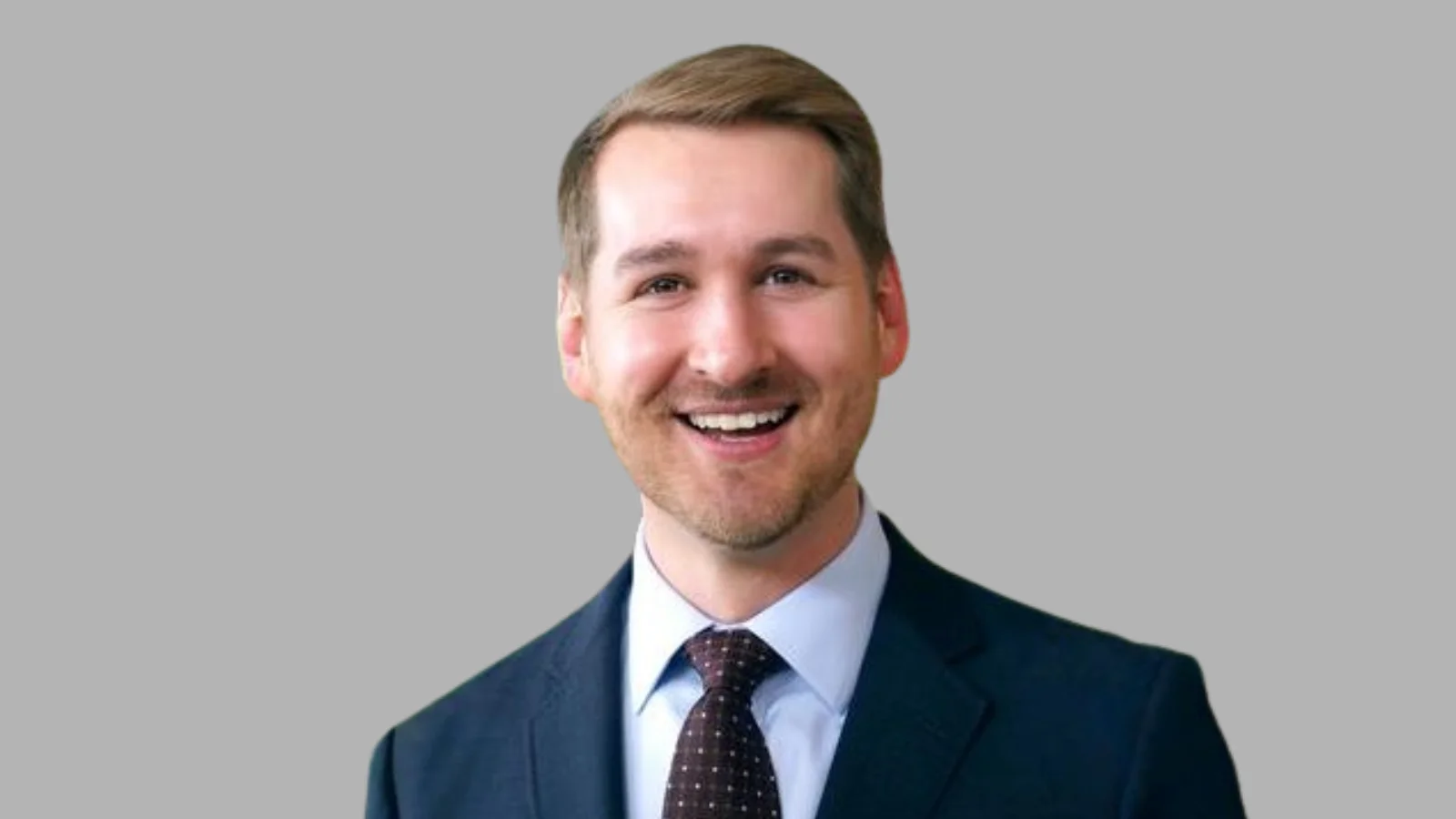
"Over the last 20 years, the inpatient pediatric caseload has shifted, the children we see in the hospital are far more complex, and almost all children with complex conditions seek care in specialty children's hospitals," said Nathaniel Bayer, MD, associate professor at the University of Rochester's Golisano Children's Hospital and lead author of the study published in JAMA Network Open. "That concentration of very sick children has real implications for where care happens, who delivers it, and how it is paid for."
The research was a collaborative effort among pediatric health services researchers from several institutions including the University of Rochester, Boston Children's Hospital, Johns Hopkins University, University of Vermont, Children's Mercy Hospital in Kansas City, University of Toronto, and the Children's Hospital Association. Jay Berry, MD, MPH from Boston Children's Hospital and Harvard University served as senior author.
The findings indicate operational and policy challenges. Most complex pediatric hospitalizations are covered by Medicaid; however, current reimbursement rates often do not cover actual costs. "Children's hospitals are providing the majority of this care, but payment rates aren't keeping up. That mismatch contributes to closures of pediatric units in community and rural hospitals and centralizes care in academic centers with unsustainable financial models," Bayer said.
Workforce training is also affected by these trends. "Residency and fellowship programs need to adapt so future pediatricians and subspecialists are prepared to care for these medically complex children. The inpatient experience is changing—residents may care for sicker, more complex patients—and training must address that reality."
The authors recommend several steps: hospitals should review team structures and staffing models; training programs should update curricula; and policymakers should adjust Medicaid policies to better reflect the needs and costs associated with medically complex children.
"We need pediatric-specific Medicaid policies and payment structures that recognize these children aren't the same as the average adult Medicaid population," Bayer said. "If we want to sustain high-quality pediatric inpatient care, reimbursement and workforce investments have to follow from the public and private payers."
The research adds to evidence about changes in pediatric inpatient care patterns. The authors hope their work will inform planning by hospitals as well as reforms in training programs and state or federal policy discussions.

