
Researchers from the Abramson Cancer Center at the University of Pennsylvania and Penn’s Perelman School of Medicine will present new findings in blood cancer and hematology at the 67th American Society of Hematology (ASH) Annual Meeting, scheduled for December 6-9, 2025, in Orlando, Florida. The event will showcase updates on preclinical, clinical, and population-based research across both classical and malignant hematology.
Penn Medicine experts are available for interviews during the meeting. Arrangements can be made by contacting Meagan Raeke at Meagan.Raeke@pennmedicine.upenn.edu or 267-693-6224.
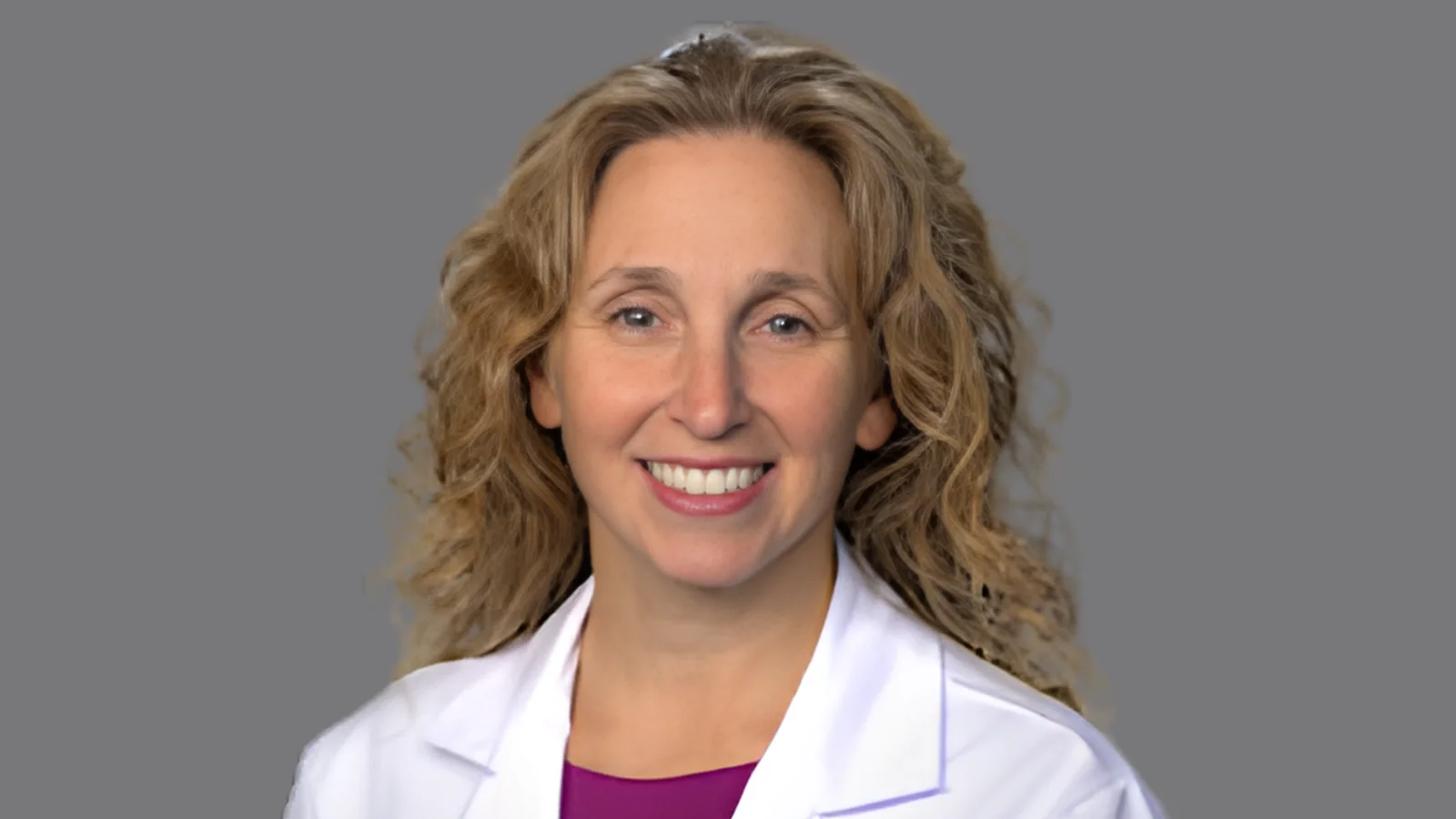
Alison Wakoff Loren, MD, MSCE, division chief of Hematology-Oncology at Penn Medicine, has been elected as the incoming vice president of ASH. She will serve a one-year term starting after the 2025 meeting and is set to become president-elect and then president in subsequent years. Adam Cuker, MD, MS, was also elected to a four-year term as councillor on the ASH Executive Committee.
Nancy A. Speck, PhD, chair of Cell and Developmental Biology at Penn Medicine, will receive the E. Donnall Thomas Lecture and Prize at this year’s meeting for her significant contributions to understanding blood cell production and leukemia development.
Key presentations from Penn Medicine include:
- In a multicenter Phase II study co-authored by Alexander Perl, MD, researchers compared standard intensive induction chemotherapy with a lower-intensity approach for newly diagnosed acute myeloid leukemia.
- Adam Cuker, MD, MS co-authored a phase III study investigating a monoclonal antibody as second-line treatment for immune thrombocytopenia.
- Stephen J. Schuster, MD will present long-term follow-up data from the ELARA trial on CAR T cell therapy tisagenlecleucel for relapsed/refractory follicular lymphoma. After five years of follow-up, over 75 percent of patients were alive and about half had no new cancer growth.
- Adam Cohen, MD will discuss results from a Phase II trial using bispecific antibody cevostamab after CAR T cell therapy in multiple myeloma patients; more than 90 percent showed complete response without minimal residual disease after one year.
- Matthew Connor, MD will present findings on an “armored” CAR T cell therapy that secretes interleukin 18 for acute lymphoblastic leukemia patients—all five initial recipients had complete responses with no relapse after approximately 15 months.
- Aaron Cheng, MD led a large retrospective cohort study showing individuals with sickle cell disease had significantly higher rates of severe maternal morbidity (25 percent vs. 2.4 percent) and increased risk of preterm birth compared to those without sickle cell disease.
- Ivan Cohen, PhD presented preclinical evidence that CAR T cell therapy could help treat immune-mediated thrombotic thrombocytopenic purpura (iTTP), demonstrating symptom control in mice models.
- Julia Han Noll proposed “CAR T immune-related adverse events (CirAE)” as a term for delayed toxicities after BCMA-directed CAR T therapy; research linked these effects to CD4+ CAR T-cells and higher non-cancer mortality mainly due to infection.
- Stefan Barta, MD analyzed outcomes for people living with HIV who received CAR T cell therapy for non-Hodgkin’s lymphoma. The analysis found similar toxicity profiles compared to patients without HIV.
All sessions take place at the Orange County Convention Center in Orlando.
Additional press releases are expected as embargoes lift during the conference.
###



