
Scientists at the Fralin Biomedical Research Institute at VTC announced on July 28 that an experimental therapy can help brain cells overcome the effects of a disease-causing genetic deletion. The research found that instead of repairing the deletion and its immediate consequences, the therapy redirects brain development by assisting at-risk neurons to grow and connect more normally.
The findings, published in Disease Models & Mechanisms, indicate that some genetic brain disorders could be treated by targeting disrupted cellular mechanisms rather than repairing the genetic change itself. The study focused on 22q11.2 deletion syndrome, which is recognized as the second most common genetic deletion disorder and one of the strongest known genetic risk factors for schizophrenia in humans. This syndrome affects approximately one in every 2,000 to 4,000 births and is also linked with autism spectrum disorder as well as various cognitive and developmental challenges.
Researchers used a mouse model of 22q11.2 deletion syndrome to identify oxidative stress—a buildup of harmful oxygen-containing molecules inside brain cells—as a key factor contributing to abnormal brain development. Mice were then treated with N-acetyl cysteine (NAC), an antioxidant capable of crossing the blood-brain barrier, to determine if reducing oxidative stress could restore healthy neuronal growth and connectivity.
The treatment improved mitochondrial health, strengthened connections between neurons, and restored dendrite growth—the branch-like extensions on neurons responsible for receiving synaptic signals within neural networks. Notably, researchers found that while gene activity disrupted by the deletion was not restored by NAC treatment, a different network of genes was activated, which enabled neurons to achieve similar developmental outcomes.
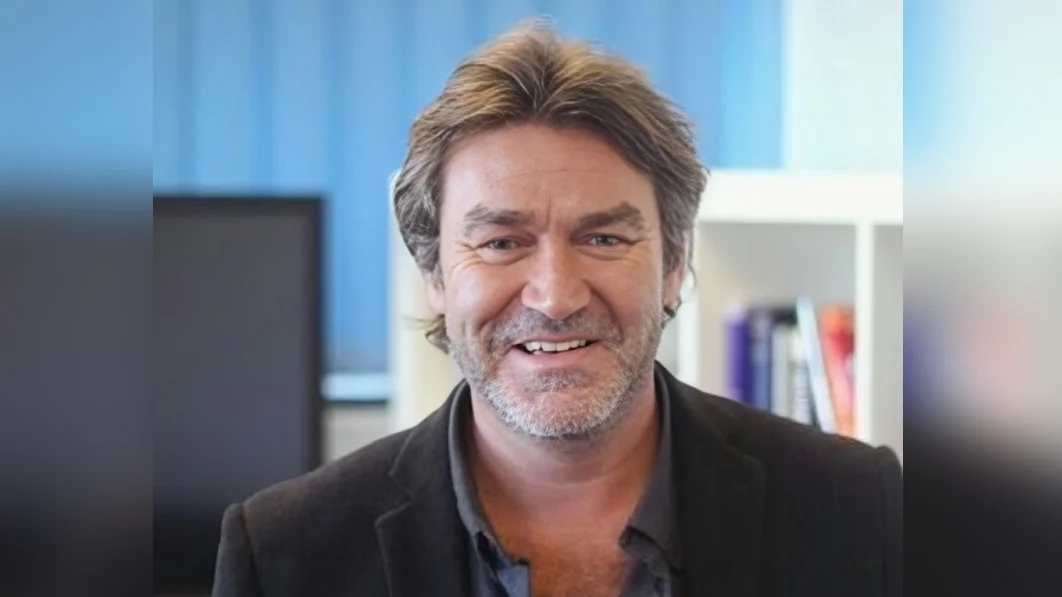
"That was surprising because the assumption behind most therapies is that you have to restore gene expression to its normal ground state," said LaMantia, director of the institute's Center for Neurobiology Research. "Our findings suggest that may not always be possible or even necessary. There can be therapeutic benefits from taking an alternate route." In mouse models, these improvements corresponded with better performance on behavioral tasks dependent on those neural circuits.
LaMantia said additional research will be needed before translating these findings into human therapies, but suggested this approach points toward new strategies for treating genetic brain disorders: "Gene networks are remarkably flexible," LaMantia added. "We may be able to develop therapies that engage that flexibility instead of trying to correct a specific genetic or molecular disruption that may be too difficult to manipulate directly." The study was led by LaMantia along with colleagues Shah Rukh, Daniel Meechan, Abra Roberts, Connor Siggins, Zachary Erwin, and Thomas Maynard.

