
Northwestern Medicine Palos Hospital is enhancing care for older adults in its emergency department through the Geriatric Emergency Department Initiative (GEDI) program, according to a May 21 announcement. The initiative is designed to provide specialized, patient-centered support for individuals aged 65 and older during and after their emergency department visits.
Senior citizens represent up to 20 percent of hospital emergency visits nationally, a figure that continues to rise as the U.S. population ages. More than 30 percent of these patients are admitted rather than discharged from the emergency department, which increases risks such as infection, falls, delirium, frailty and death. Geriatric-focused models like GEDI have been shown to improve care coordination and support safer transitions home.
“Our hospital ranks among the top in the nation for the volume of emergency department visits by adults 65 years and older,” said Amanda Capuano, RN, emergency department nurse and GEDI program lead at Northwestern Medicine Palos Hospital. “There is a strong community need for geriatric-focused emergency care in the south suburbs. Since we launched the GEDI program, we have seen significant improvements in patient experience and outcomes for our older adult patients.”
The GEDI team receives geriatric-specific training and uses evidence-based tools such as fall-risk screening and medication reconciliation when caring for older adults. Each interaction aims to support safety, independence and long-term well-being. The model was first introduced at Northwestern Memorial Hospital in 2013; that hospital was among the first nationwide to earn Geriatric Emergency Department Accreditation.
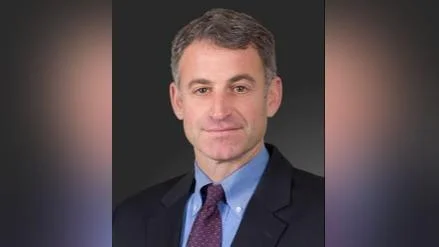
“The geriatric emergency department model is designed to meet the unique needs of older adults, who often arrive with multiple, overlapping medical and social concerns,” said Scott Dresden, MD, director of the GEDI program at Northwestern Memorial Hospital since 2013. “Instead of focusing only on the immediate issue... our multi-disciplinary GEDI team looks deeper to understand why that fall happened and how we can prevent the next one. At Northwestern Memorial... our GEDI model has significantly reduced hospitalizations, readmissions and Medicare costs for older adults.”
Palos Hospital’s GEDI nurses continue supporting patients after discharge through resource packets tailored by community location, follow-up calls and daily check-ins with those living alone. The team also works with local fire departments like Palos Fire Protection District: “Our firefighters are in people’s homes every day... Having a direct line to the GEDI nurses means we can connect seniors to help fast,” said Ben Knights from Palos Fire Protection District.
The hospital piloted a 'Go Bag' project encouraging seniors or caregivers to prepare an information kit containing medications and contacts—an effort intended to aid time-sensitive emergencies such as strokes or seizures.
Northwestern Medicine plans further expansion of its geriatric programs across more facilities throughout Chicagoland by partnering with senior centers and other organizations. Capuano said: “Our community partners have been very responsive... Together we’re building a stronger network of care for older adults.”
Northwestern Medicine functions under parent organization Northwestern Memorial HealthCare; Howard B. Chrisman serves as president and chief executive officer. It aims to provide world-class care through patient focus including education and research; it engages in strategic collaborations advancing clinical research; it receives national recognition for physician well-being programs and humanitarian awards honoring service; it recognizes community contributions through humanitarian awards reflecting compassion and impact—all according to the official website.



