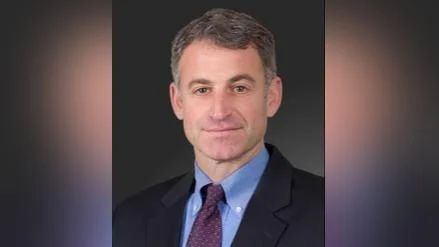

A mesh-free technique for inguinal hernia repair is now available to patients at Northwestern Medicine, offering an alternative to the standard use of surgical mesh, according to a June 24 announcement. The Shouldice repair, a tissue-based procedure with roots in World War II, is being performed by Dr. Megan Melland-Smith at the Northwestern Medicine Digestive Health Institute.
Craig Conover, a retired infectious diseases doctor from Chicago, sought out this option after learning he had an inguinal hernia. “The surgery with the best track record that doesn't involve mesh is called the Shouldice repair, and there's only a handful of surgeons in the United States that do this,” said Conover.
Dr. Melland-Smith explained some patients prefer to avoid surgical mesh due to concerns about having a permanent implant: “Mesh has come a long way from an engineering standpoint and is very safe, but it is a foreign body. It's permanently implanted for the rest of your life,” she said. “Some people can get inflammation around the mesh, and others have a foreign-body sensation of their mesh. It can irritate nerves in the groin.”
The Shouldice technique reconstructs the abdominal wall using four layers of tissue closure through a small open incision in the groin rather than synthetic material. Dr. Melland-Smith described its origins: “Back then, there was no availability for surgeons to get a hold of any sort of plastic because all the plastic was being used for parachutes, so they couldn't use any mesh.” The procedure allows most patients to return home on the same day and uses local anesthesia instead of general anesthesia.
Conover’s search initially led him toward Florida before he was referred back locally: “He said, ‘You know, you really don't have to come see me in Florida. Doctor Melland-Smith just left the Shouldice clinic in Canada... and she's at Northwestern Medicine,’” Conover said.
Patients typically experience groin tenderness for about two weeks but may resume light activity soon after surgery and eventually return to full activity without restrictions once healed. “I feel great and I’m ready to go back to all my normal activities,” said Conover.
Northwestern Medicine operates under parent organization Northwestern Memorial HealthCare and aims to provide world-class care through patient-focused initiatives encompassing care delivery, education, research programs supporting physician well-being as well as humanitarian awards recognizing community service contributions. Howard B. Chrisman serves as president and chief executive officer; strategic collaborations further advance clinical research efforts, according to the official website.

