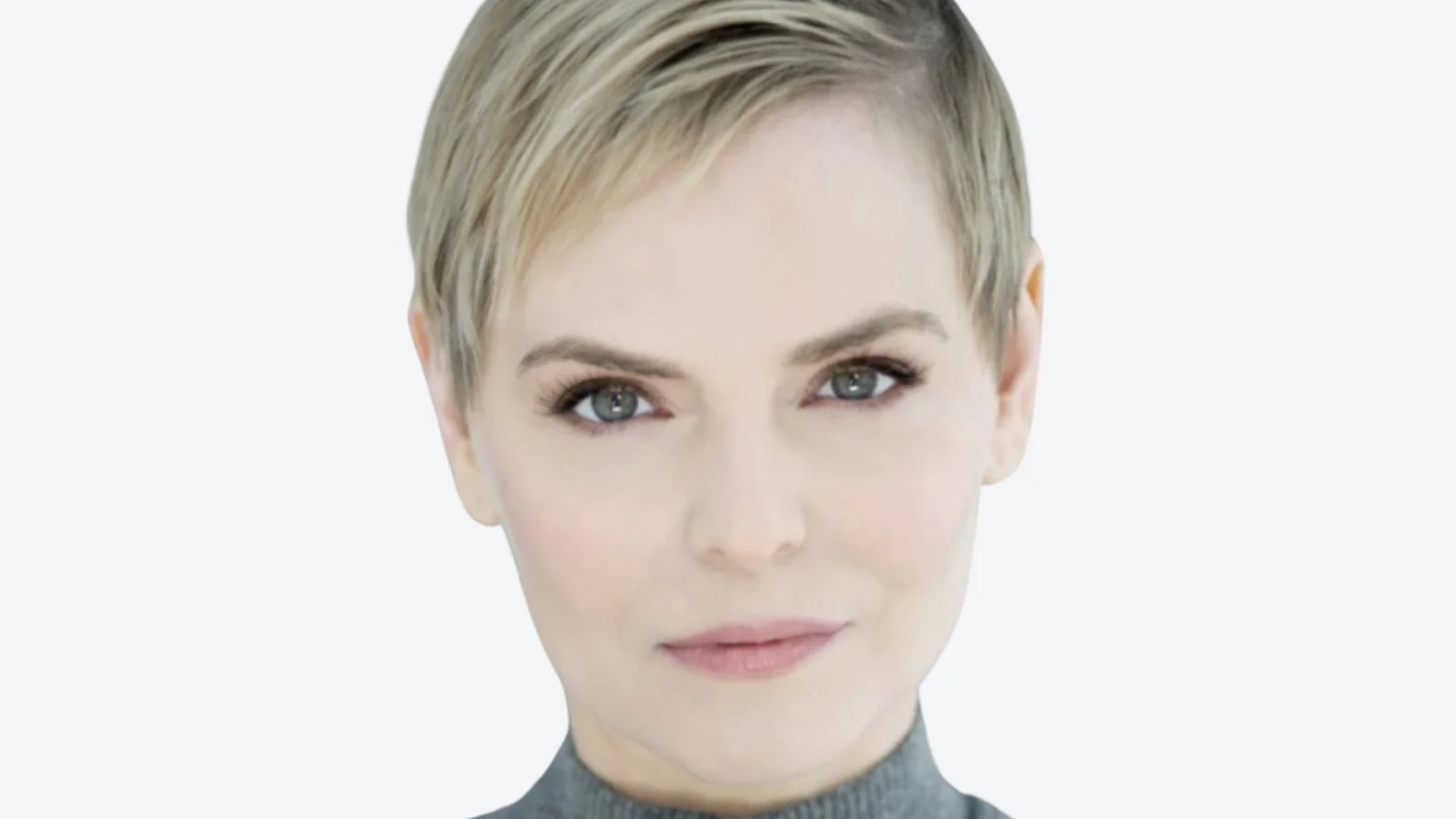

Daniel Barber, CEO of Aquestive Therapeutics, said on June 23 that perceptions of onshore, in-house manufacturing have changed significantly over his two decades at the company. Barber said that today, "manufacturing is having a moment where onshoring is strategic," but recalled that the situation was different when Aquestive first invested in local production.
Aquestive operates two facilities in Portage, Indiana: an 8,400-square-foot plant for cGMP manufacturing operations and a 73,000-square-foot site supporting packaging, research and development, and other functions. The company has maintained a local presence since its early days as MonoSol Rx in 2006. Barber said the decision to keep production local allowed the company to be flexible and responsive to client requests. In 2007, Aquestive invested in vertical integration to manufacture more quickly and cost-effectively while protecting intellectual property and managing compliance.
Barber noted that some benefits of onshore production were recognized even when many pharmaceutical companies favored offshoring. He referenced communication challenges associated with overseas sites cited by employees of multinational firms. Despite these issues being known at the time, offshoring remained common due to lower labor costs abroad.
The financial gap between domestic and offshore manufacturing has narrowed over the past twenty years. Barber said average monthly earnings in India increased by 334% from 2005 to 2024, while U.S. wages rose by 98%. He argued this shift makes having factories in the U.S. more attractive today than it was previously. Geopolitical changes and increasing complexity of drug production processes also support this trend, according to Barber.
Employment growth in U.S.-based biopharma manufacturing began before Donald Trump's second term as president but accelerated after new tariff threats prompted large pharmaceutical companies to commit $158 billion for U.S.-based facilities by April 2025. However, Barber identified ongoing reliance on foreign-sourced active pharmaceutical ingredients (APIs) as a vulnerability for domestic manufacturers like Aquestive.
Barber discussed regulatory factors driving API production overseas such as "lesser regulatory burdens" and "less restrictive environmental regulations." He said reshoring API supply would require addressing these regulatory challenges but described reshoring overall as a long-term trend not dependent on political leadership: "The onshoring of manufacturing ... I think this is a trend that will continue for quite some time."

