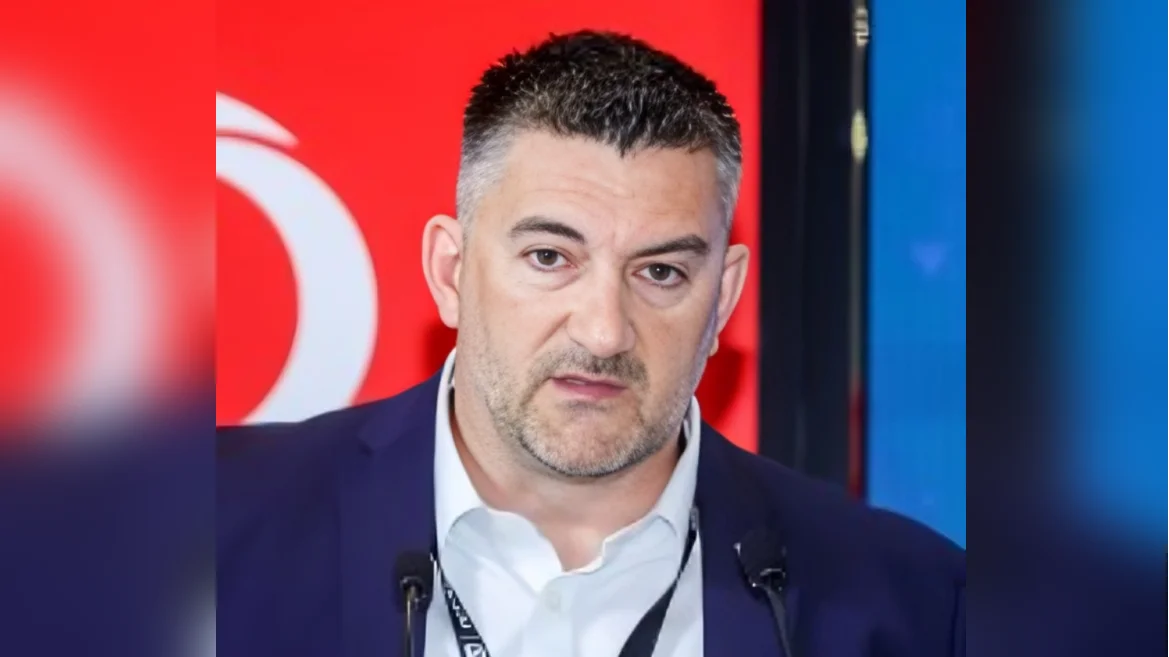

Chris Whitehouse, a political consultant specializing in medical technology policy at Whitehouse Communications, said on June 22 that significant changes could occur within the National Health Service if Andy Burnham were to become Prime Minister.
Whitehouse recalled that in 2009, during his tenure as Health and Social Care Secretary, Burnham proposed creating a single, unified National Care Service for England. This proposal was detailed in the green paper 'Shaping the Future of Care Together' and included options such as a partnership funding model between individuals and the state, a voluntary insurance scheme with state or private partnerships, and a comprehensive state insurance plan for those over retirement age. However, Labour lost power after one year of Burnham's leadership at the department, leaving these plans unimplemented.
The article notes that no government since has pursued this National Care Service proposal. The current Labour government under Keir Starmer commissioned Baroness Casey to review social care in 2024; however, Whitehouse said it is unlikely any major changes will be implemented before the next general election.
Whitehouse also referenced Burnham’s time as Mayor of Manchester from May 2017 to June 2026. He said Burnham prioritized reducing health inequalities and advancing preventative health measures through regional governance. The article highlights remarks by then Health Secretary Wes Streeting on March 25 about empowering elected mayors like Burnham with new authority over public health decisions: “They have more influence over what determines health in their regions as mayors than I do as their health secretary...if they had more levers and more control, they’d spend money more wisely and deliver better health outcomes across their regions.”
Streeting announced two new health devolution deals for Greater Manchester and South Yorkshire to test whether mayor-led models could shift healthcare focus from hospital-based treatment toward prevention. He said: “The new chairs of their ICBs will...become like deputy mayors for health...But their mayors will take responsibility for driving improvements to health and care from cradle to grave...” He added that integrated organizations holding entire population budgets would represent “the most radical reform in the history of the NHS.”
On medical technology innovation policy specifically, Whitehouse said there is little public information regarding Burnham’s priorities but does not expect him to abandon current strategies such as Wes Streeting’s NHS Ten Year Plan or value-based procurement approaches. Whitehouse concluded by encouraging MedTech stakeholders to engage constructively with any future government led by Burnham.

