
A randomized controlled trial at the University of Maryland School of Medicine found that a five-minute session of proximal intercessory prayer, delivered in person by a trained volunteer, significantly reduced pain and anxiety among primary care patients compared to those who listened to soft music. The results were published in the May/June 2026 issue of Annals of Family Medicine.
The study enrolled 180 patients from a university family medicine practice who reported clinically significant pain or anxiety. After their medical appointments, participants were randomly assigned to receive either five minutes of Christian intercessory prayer—including laying-on-of-hands—or five minutes of soft music as a control. Researchers followed up with participants at two and six weeks.
Prayer is the most common form of complementary medicine in the United States, used by 43% of Americans with 62% identifying as Christian. Despite its prevalence, few rigorous clinical trials have examined in-person intercessory prayer. This study is one of the first well-powered randomized controlled trials on proximal intercessory prayer conducted within a standard primary care setting.
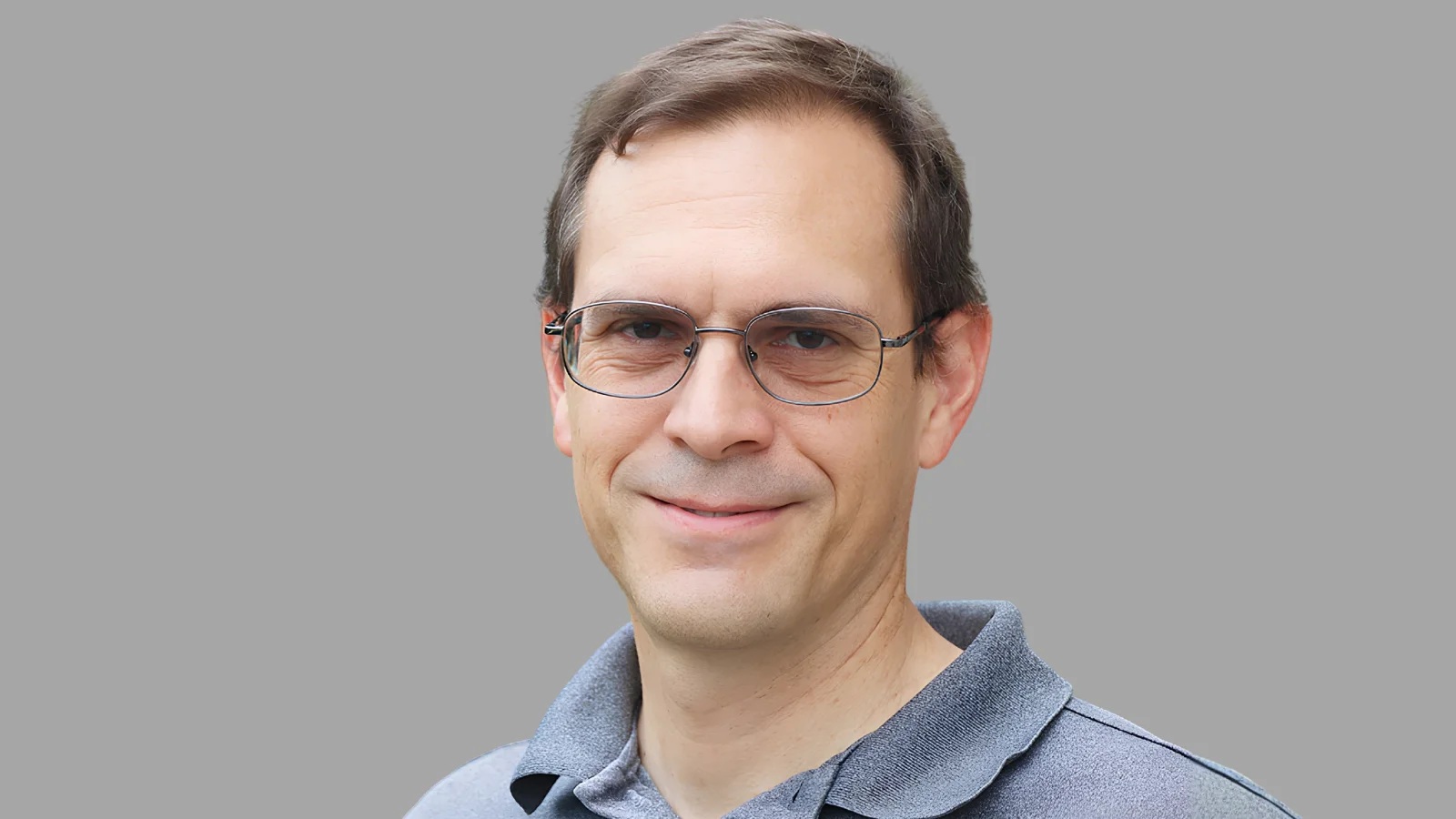
"The prayer intervention was effective regardless of the patient's faith or no faith," said Joshua W. Brown, PhD, Professor at Indiana University and Director and Co-founder of the Global Medical Research Institute. "Our findings add to research showing how prayer changes brain function in ways that promote health." Brown has authored a new book titled Proving a Miracle (Harper, 2026), which explores his personal experience with healing prayer following his own diagnosis with a brain tumor over twenty years ago.
Researchers noted that while their patient population was predominantly Black, female, and low-income—reflecting the clinic's base—this limits broader generalizability. They also acknowledged that blinding participants or practitioners was not possible without compromising ecological validity; thus, placebo effects or non-specific factors such as human presence cannot be ruled out entirely. The authors recommend future studies include control conditions involving interpersonal contact without prayer to better isolate specific effects.



